What Is Wine? Beyond Trends, Labels and Marketing
In Brief
Wine is more than a beverage: it is the result of thousands of years of human knowledge, from its origins in Georgia and ancient Persia to its development across Europe and the world. This article explores the historical definition of wine, the French oenological revolution of the 1950s and 1960s, the rise and decline of overly ripe, extracted and oaked styles, and the marketing trends surrounding natural wine and alcohol-free wine. At its core, wine remains a human expression of terroir, culture, civilisation and craftsmanship.
Keywords: wine definition, history of wine, origins of wine, Georgia wine, Persia wine, French oenology, natural wine, alcohol-free wine, wine trends, terroir, winemaking, wine culture, human craftsmanship, wine civilisation, Jollie, Grape Tours, Formaggioteca Terroir
What Is Wine? Beyond Trends, Labels and Marketing
Wine has never been merely a beverage.
Long before it became a consumer product, a luxury category, a lifestyle accessory or a line on a marketing presentation, wine was part of human civilisation. It emerged from the meeting of a plant, a place and a community capable of observing nature, cultivating vines, controlling fermentation and transmitting knowledge from one generation to the next.
To define wine only through colour, grape variety, appellation, production method or market segment is therefore to miss its essential meaning.
Wine is fermented grape juice. But it is also preserved memory, accumulated knowledge and human interpretation.
Before Wine Became a Market
The history of wine did not begin in Bordeaux, Burgundy, Tuscany or Champagne.
Some of the earliest known evidence of grape wine production has been found in present-day Georgia, where residues discovered in Neolithic pottery have been dated to around 6000 BCE. Earlier archaeological research at Hajji Firuz Tepe, in the Zagros Mountains of present-day Iran, identified chemically confirmed traces of resinated grape wine dating from approximately 5400–5000 BCE.
These discoveries do not simply tell us where wine may have originated. They reveal something more important: wine appeared when human communities became sufficiently settled, organised and observant to cultivate vines, store liquids and manage fermentation.
Wine was already a cultural act.
From the Caucasus and the ancient Near East, viticulture and winemaking knowledge travelled through Mesopotamia, Egypt, Greece and the Mediterranean. The Greeks associated wine with philosophy, hospitality, religion and social life. The Romans expanded vineyards, developed trade networks and carried wine culture across much of Europe.
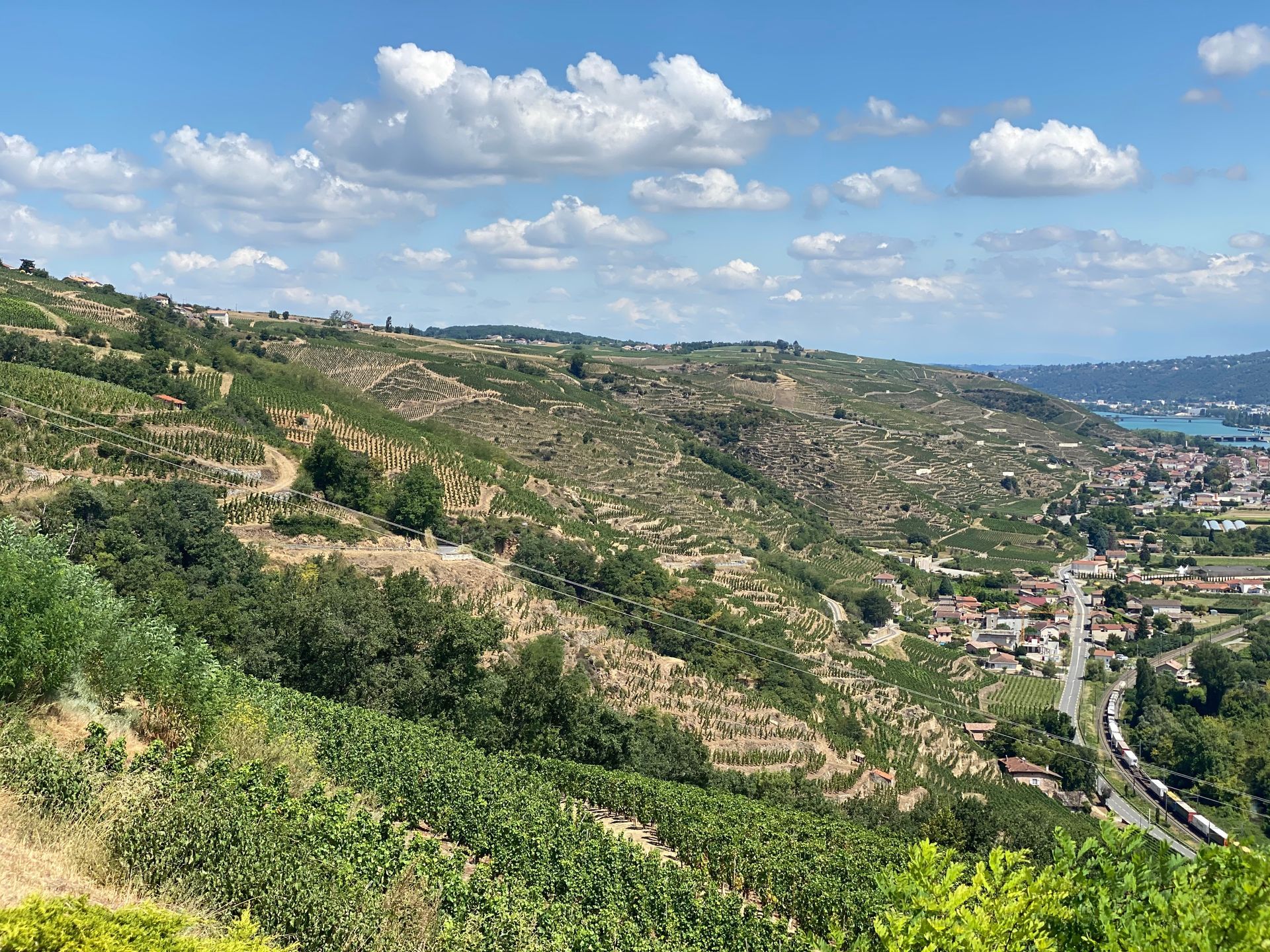
Later, monasteries, farmers, merchants, landowners and village communities continued to select vines, interpret soils and preserve local practices. Over centuries, wine became embedded in European landscapes and identities. It followed migration, colonisation and commerce to the Americas, South Africa, Australia, New Zealand and other parts of the world.
Wherever vines travelled, they were interpreted by people.
Wine Is Not Simply Nature
The word “natural” has become one of the most powerful terms in contemporary wine marketing. It suggests authenticity, simplicity, purity and freedom from industrial intervention.
Yet, in the strictest sense, natural wine does not exist.
A neglected vine does not spontaneously produce a stable, balanced and transportable bottle of wine. Grapes may ferment naturally, but the result is unpredictable. Without human decisions, fermented grape juice can oxidise, develop microbial faults, turn volatile or become vinegar.
Wine is not simply found in nature. It is made by people.
Someone chooses where to plant. Someone prunes the vine, manages the soil, determines the harvest date, selects or rejects grapes, decides how to extract the juice, controls temperatures, protects the wine from oxygen and undesirable microorganisms, and determines when it is ready to be bottled.
Even the decision to intervene as little as possible remains an intervention. It requires observation, experience, hygiene and judgement.
The International Organisation of Vine and Wine defines wine as the beverage obtained exclusively through the partial or complete alcoholic fermentation of fresh grapes or grape must. Its standard definition also establishes a minimum actual alcohol level, subject to certain regional exceptions.
Fermentation may be biological, but wine is cultural. Its organoleptic stability—the ability to retain a recognisable and pleasurable taste, aroma and structure—is the result of human knowledge.
The opposite of industrial wine is therefore not “natural wine.” It is thoughtful wine: wine produced by identifiable people, from meaningful places, through coherent and responsible choices.
The French Oenological Revolution
For much of history, wine production remained empirical. Knowledge was transmitted through observation and repetition, while many transformations occurring inside the cellar were only partially understood.
France played a decisive role in changing this.
The scientific foundations established by Louis Pasteur in the nineteenth century were developed further during the twentieth century by researchers and oenologists who sought to understand fermentation, microorganisms, oxidation, acidity and wine stability.
In the decades following the Second World War, especially during the 1950s and 1960s, modern oenology transformed the way wine was made. Better cellar hygiene, temperature control, microbiological analysis, improved filtration and a more precise understanding of malolactic fermentation allowed producers to reduce faults and produce wines with far greater regularity.
The work of figures such as Jean Ribéreau-Gayon and Émile Peynaud helped turn winemaking from a largely empirical practice into an applied science. Advances in the 1950s made it possible to understand and control malolactic fermentation more reliably, a process that had previously been observed without being fully mastered.
This revolution should not be underestimated. It made wine safer, more stable and more consistent. It allowed quality wine to travel. It helped producers preserve fruit, control spoilage and understand the consequences of their decisions.
Modern oenology did not remove humanity from wine. At its best, it gave winemakers better tools with which to express it.
From French Supremacy to Stylistic Excess
For much of the twentieth century, France represented the international reference for fine wine. Its appellations, classifications, grape varieties, techniques and critical vocabulary influenced producers throughout the world.
Bordeaux, Burgundy, Champagne, the Rhône and other French regions provided models that were copied, adapted or challenged across the emerging wine countries.
However, technical mastery gradually became intertwined with global competition, critical scoring systems and a growing demand for wines capable of making an immediate impression.
Ripeness increased. Extraction intensified. New oak became more visible. Alcohol levels rose. Concentration, colour and power were often presented as universal indicators of quality.
The rise of what might be called the Super Bold wine created a recognisable international style: deeply coloured, densely extracted, highly ripe and generously oaked. These wines could be technically impressive, commercially successful and attractive in blind tastings. Yet they also risked making regions and grape varieties increasingly difficult to distinguish from one another.
In the pursuit of intensity, some wines lost drinkability. In the pursuit of maturity, they lost freshness. In the pursuit of prestige, they lost their relationship with everyday food and local culture.
This does not explain by itself the recent difficulties of French wine. Declining consumption, demographic change, health concerns, economic pressure, changing consumer habits and international competition all play important roles. Global wine consumption in 2025 was estimated at its lowest level since 1957, reflecting a broader structural transformation rather than the failure of any single country or wine style.
But the excesses of the bold-wine era illustrate a wider problem: when wine is designed primarily to satisfy a market expectation, it can begin to lose the cultural distinctiveness that created its value.
The Endless Reinvention of Wine
The modern wine market constantly creates new categories.
Natural wine. Orange wine. Clean wine. Low-intervention wine. Sustainable wine. Premium wine. Lifestyle wine. Celebrity wine. Low-alcohol wine. Alcohol-free wine.
Some of these movements raise legitimate questions. They may encourage more responsible farming, revive forgotten techniques, challenge standardisation or make producers more transparent. The problem begins when a useful discussion becomes a totalising identity or another commercial shortcut.
No single adjective can guarantee the quality, integrity or cultural value of a wine.
A cloudy wine is not necessarily more authentic. An organic certification does not automatically make a wine expressive. The absence of added sulphites does not eliminate human intervention. Amphorae do not confer historical depth by themselves. A fashionable label does not create a relationship with a territory.
Wine cannot be understood through slogans alone.
Can Alcohol-Free Wine Still Be Wine?
The development of dealcoholised and alcohol-free wine products reflects real changes in society. Consumers may wish to moderate alcohol intake for health, religious, professional or personal reasons. Producers are responding with increasingly sophisticated technologies and products.
These beverages may have a legitimate place in the market. But they also raise a fundamental question about definition.
Alcohol is not an accidental ingredient added to wine. It is one of the principal results of alcoholic fermentation—the very process through which grape must becomes wine.
The OIV’s traditional definition explicitly connects wine with alcoholic fermentation and establishes a conventional minimum alcohol content. At the same time, both international standards and European legislation now recognise processes and categories for partially or almost completely dealcoholised wine products.
Legally, the category is evolving. Culturally, the question remains open.
Removing alcohol after fermentation does not necessarily create an inferior beverage, but it does create a different relationship with the original product. Alcohol contributes not only physiological effects but also texture, aromatic expression, balance, preservation and length.
For this reason, alcohol-free wine should perhaps be understood not as the next stage in the evolution of wine, but as a wine-derived beverage responding to a particular contemporary demand.
It may develop into a lasting category. It may also prove to be one more market cycle among many. In either case, it should not be allowed to redefine the entire meaning of wine.
Wine Does Not Need Another Marketing Revolution
The wine sector is currently facing overproduction, falling consumption in mature markets, pressure on vineyard profitability and uncertainty about how to attract younger generations.
The usual response is to invent new packaging, new occasions, new categories and new narratives.
But perhaps wine does not need to become something else.
Perhaps it needs to remember what it already is.
Wine cannot compete with every soft drink, cocktail, beer or lifestyle product by imitating them. Its strength lies elsewhere: in its connection to agriculture, history, geography, gastronomy and time.
A vineyard cannot be relocated every season according to consumer demand. An old grape variety cannot be invented by a branding agency. A cultural landscape cannot be reproduced through packaging. A family’s accumulated knowledge cannot be manufactured overnight.
These are not weaknesses. They are precisely what make wine irreplaceable.
The future of wine will not be secured by constantly making it look newer. It will be secured by making its deeper meaning visible again.
Wine as a Human Continuum
Wine has survived empires, religions, wars, disease, prohibition, industrialisation, globalisation and countless changes in taste.
Its styles have never been fixed. Ancient resinated wines, Roman wines, medieval monastic wines and nineteenth-century European wines would often seem unfamiliar to modern drinkers. Techniques, containers, grape varieties and expectations have continually evolved.
Yet one element has remained constant: wine is an expression of human continuity.
It connects the person who planted a vineyard with the person who prunes it. It connects the harvest worker with the cellar team, the winemaker with the cook, the sommelier with the guest, and the present generation with those who cultivated the same landscape before them.
Wine is never only the liquid in the glass.
It is the landscape that made the vineyard possible. It is the community that maintained it. It is the meal served beside it. It is the language used to describe it. It is the history—sometimes glorious, sometimes difficult—of the people who produced and consumed it.
What Jollie Believes About Wine
This is the vision of wine that guides Jollie.
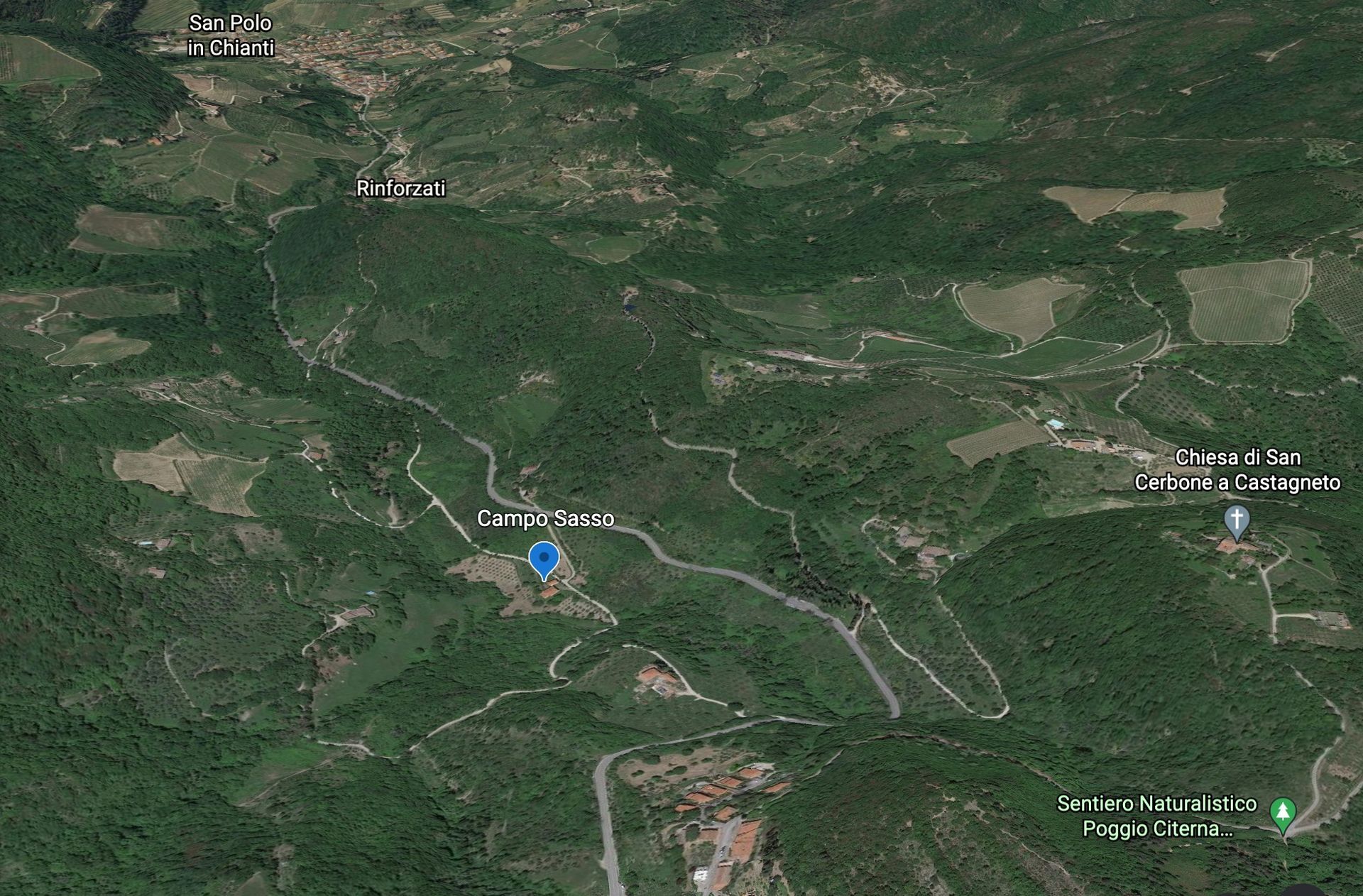
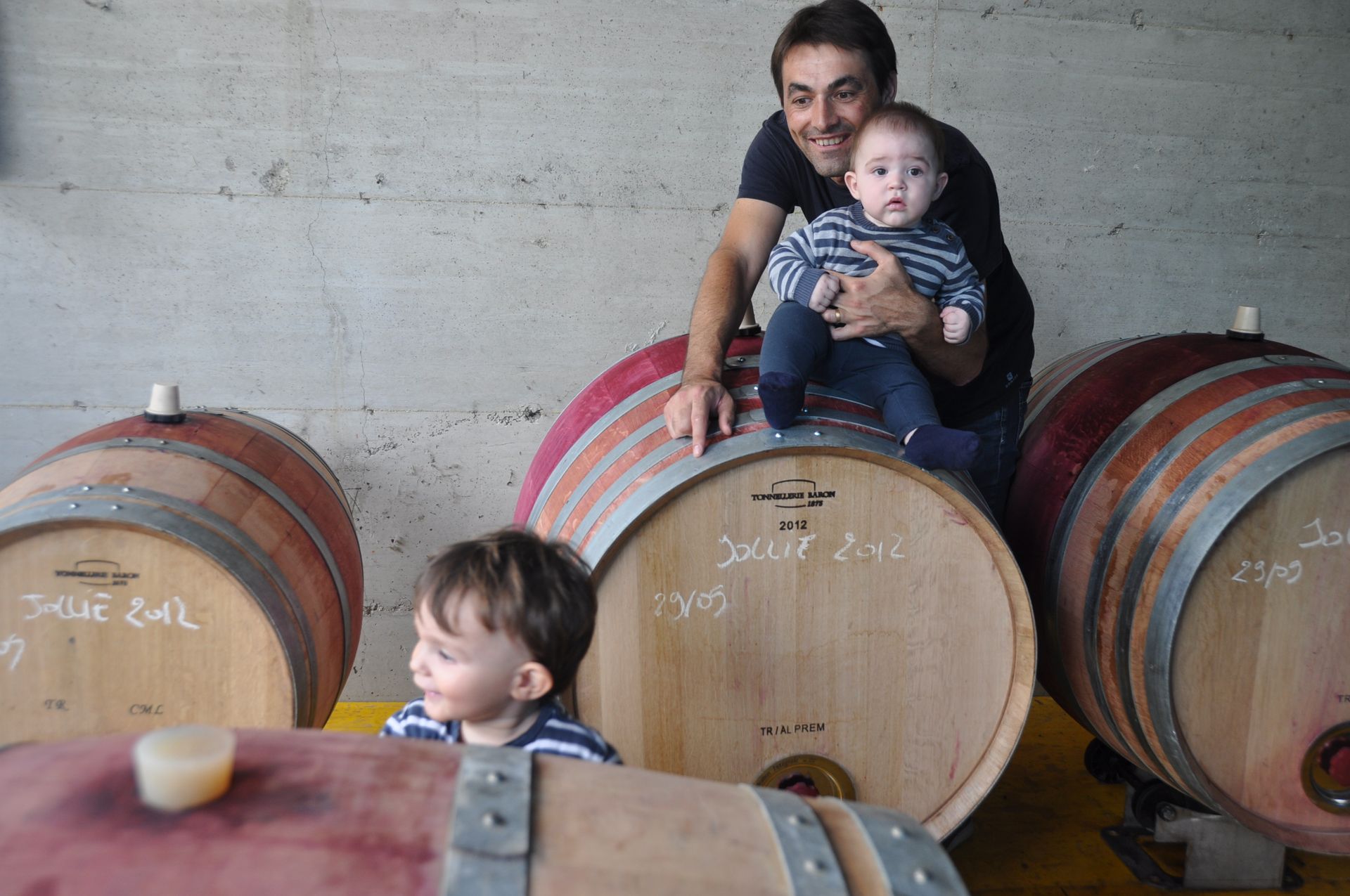
Through Grape Tours, wine is not presented as a succession of vats, barrels, technical descriptions and tasting notes. It is placed within the history of Tuscany, its agricultural landscapes, its food traditions, its families and its contemporary challenges.
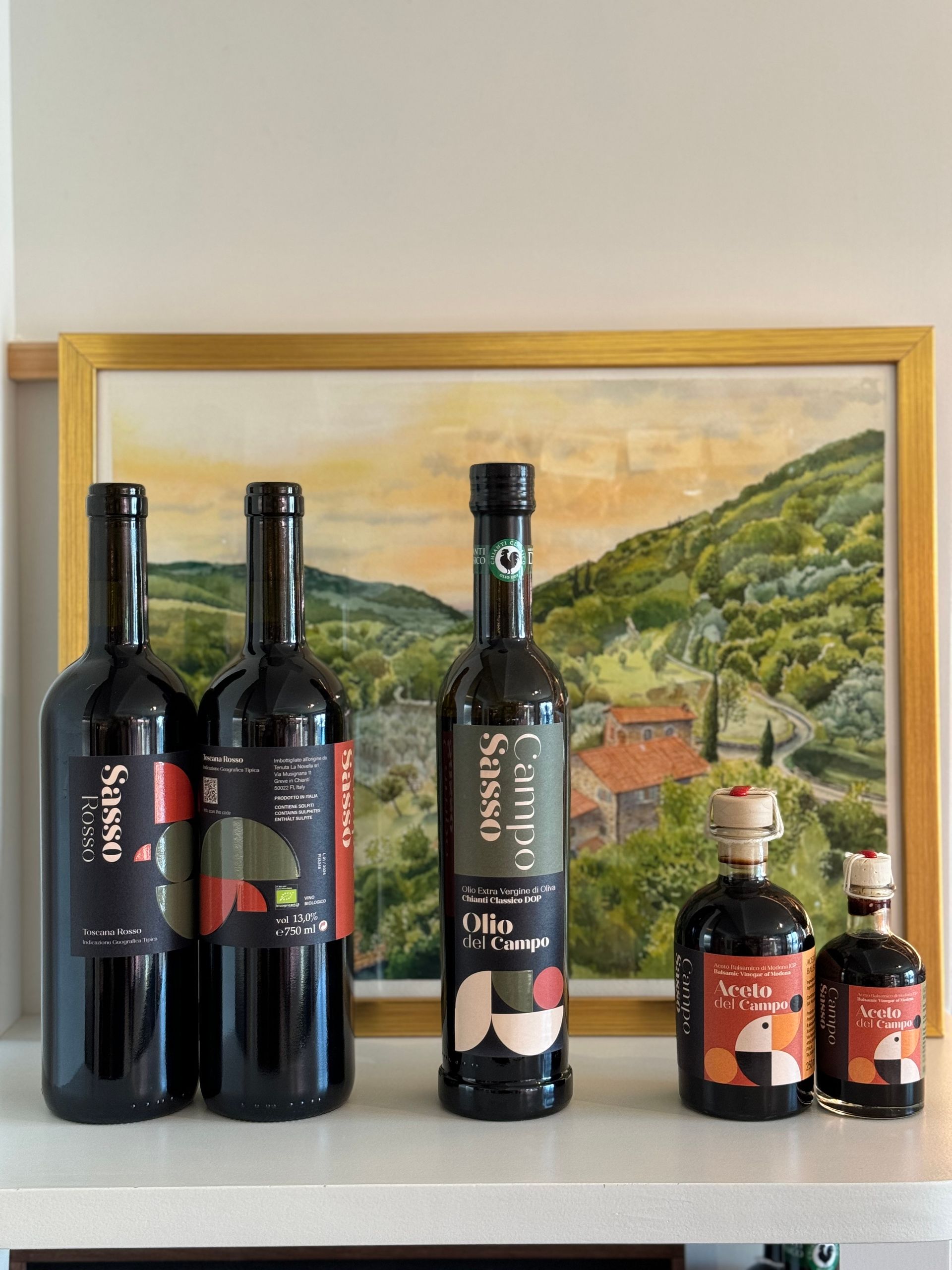
At Formaggioteca Terroir, wine is not selected because it follows the latest stylistic trend. It is chosen for the people behind it, the coherence of its origin, its relationship with food and its ability to communicate a territory.
We believe in oenology, because producing stable and expressive wine requires knowledge. We believe in responsible farming, because wine begins with a living vineyard. We believe in terroir, not as an abstract marketing word, but as the interaction between land, climate, plants, traditions and human decisions.
Above all, we believe in people.
The constant reinvention of wine categories is often the nervous movement of a sector confronted with overproduction, overexploitation and an oversaturated market. Trends will continue to appear and disappear. New labels will promise to revolutionise what humanity has been producing for thousands of years.
Wine will remain.
There will always be new wine lovers, because discovering wine is not simply learning to consume another beverage.
It is entering a civilisation.
It is embracing a landscape, a culture and a human history.
Check our wine list at Formaggioteca Terroir:
About the author: Pierre Gouttenoire is an agricultural engineer, oenologist and cheese affineur. He co-founded the Jollie ecosystem in Tuscany and oversees its wine, food and regenerative agriculture projects.