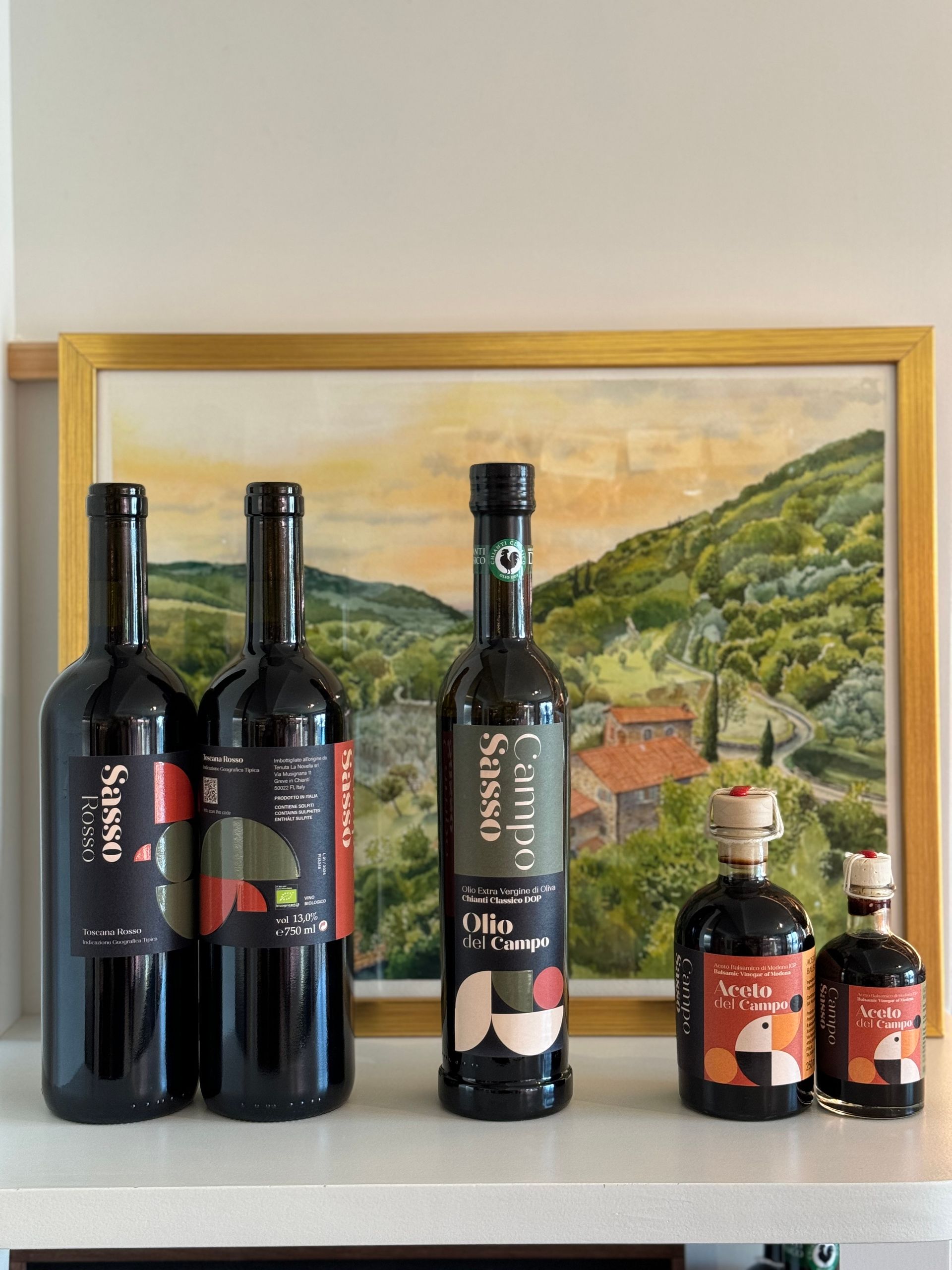
Sasso Rosso: A Wine Created for the Table, Not for the Rules
In the world of wine, complexity is often celebrated.
Appellations, vintages, grape varieties, barrel ageing, scores and technical descriptions have become the language through which wine is presented and understood. While this knowledge can enrich our appreciation, it can also create distance between the wine and the person drinking it.
At Campo Sasso, we believe that wine was never meant to be an intellectual exercise.
Before it became a subject of analysis, it was a companion to food, conversation and conviviality. It was something shared around a table.
Sasso Rosso was born from this conviction.
It is a wine that deliberately challenges some of the conventions that dominate modern wine culture. Not because those conventions are wrong, but because they sometimes risk becoming more important than the simple pleasure of drinking and sharing a bottle.
A Wine Inspired by the Landscape of Campo Sasso
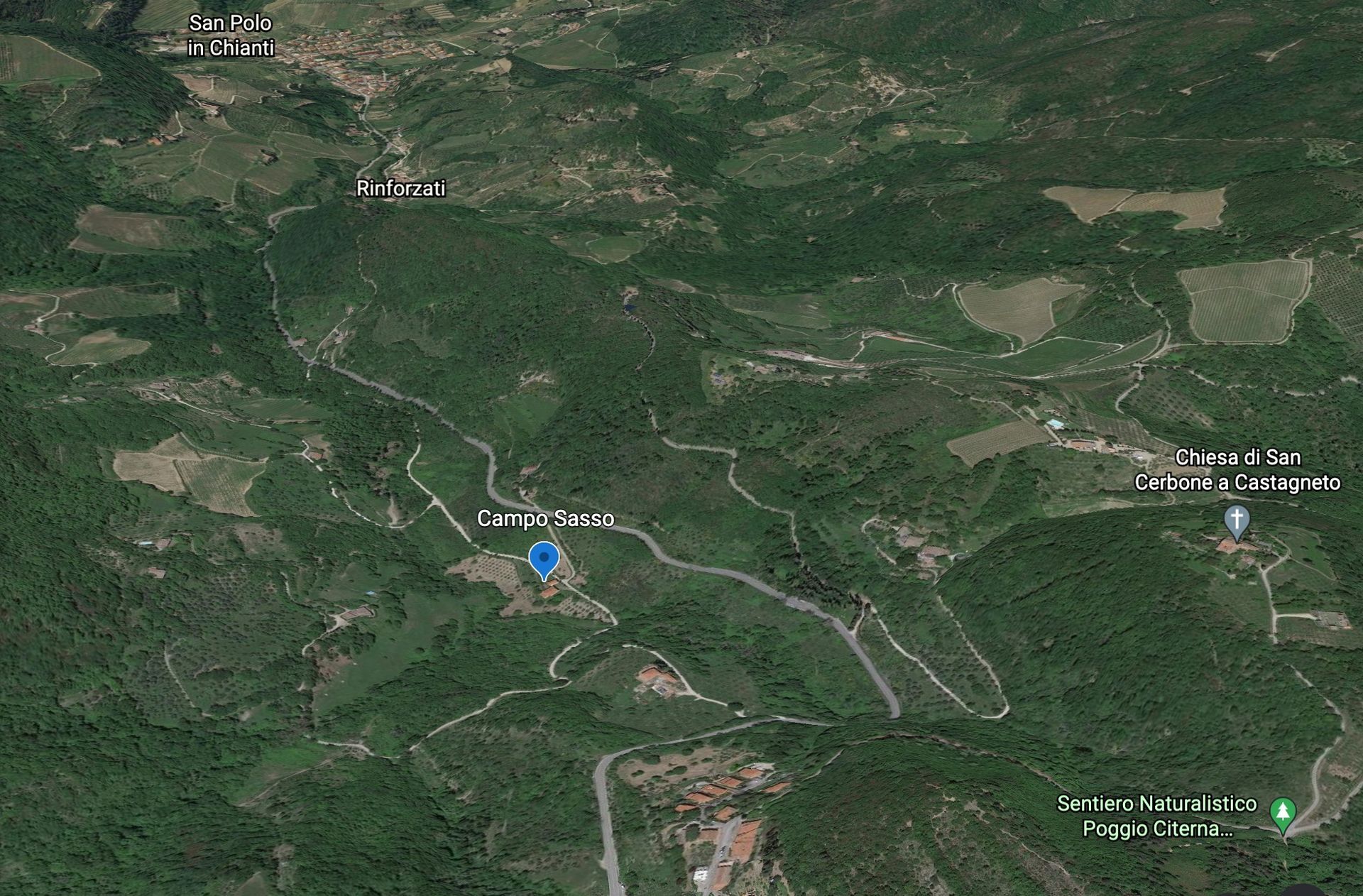
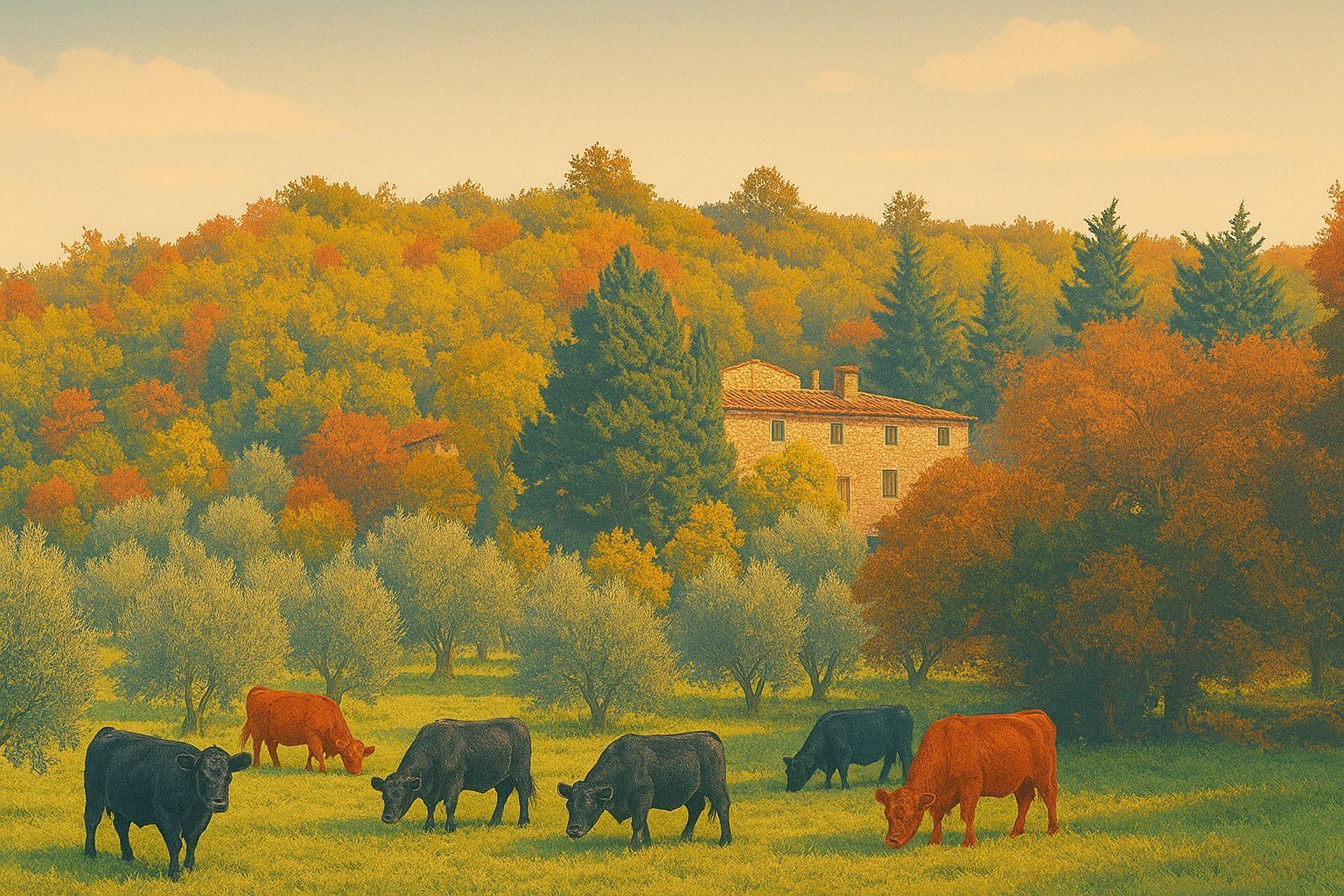
Sasso Rosso originates from the Val d'Ema, the small valley surrounding Campo Sasso in the heart of Tuscany.
The vineyards from which it is sourced lie within the historic area of Chianti Classico and benefit from the same landscapes, soils and climate that have shaped Tuscan wine for centuries.
Yet Sasso Rosso does not present itself as a Chianti Classico.
Instead, it is released as an IGT Toscana Rosso.
This choice is intentional.
The objective was not to produce a wine that conforms to a category, but rather a wine that expresses a place and a philosophy.
A wine that reflects Campo Sasso itself.
Beyond Grape Varieties and Vintages
Sasso Rosso is the result of an original blending process developed by Pierre Gouttenoire in collaboration with Simone Zemella, oenologist and director of Tenuta La Novella.
Rather than relying on a single grape variety, a single vintage or a single ageing method, the wine is assembled from three grape varieties grown within the Val d'Ema.
Different vintages are blended together.
Different maturation methods are blended together.
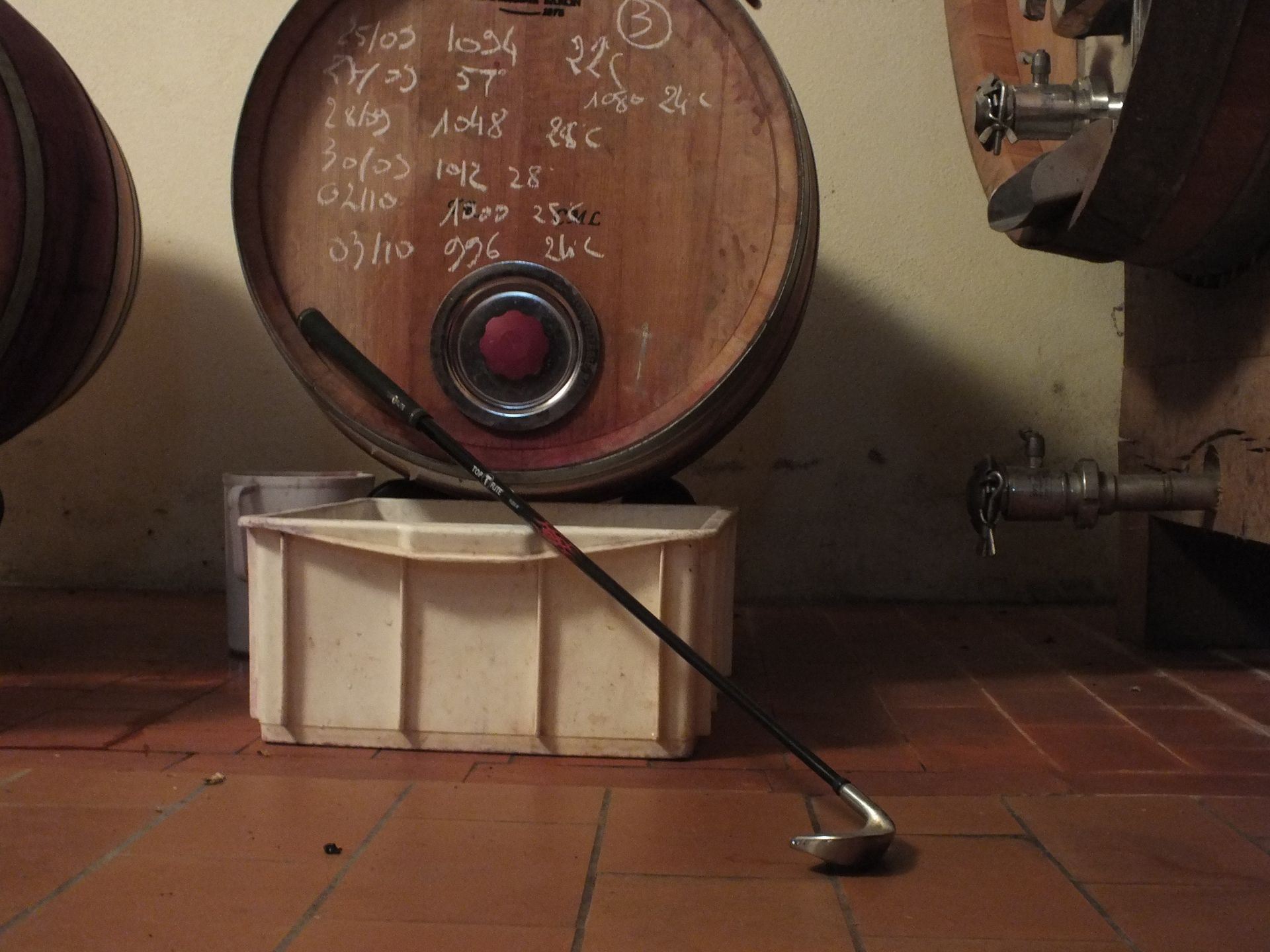
Wines aged in wood, stainless steel tanks and ceramic vessels each contribute their own personality to the final composition.
This approach is inspired by a simple observation: nature itself never follows a rigid formula.
Every vintage brings strengths and limitations. Every ageing vessel reveals different dimensions of a wine. By combining these elements, it becomes possible to create a wine that seeks balance rather than conformity.
For this reason, Sasso Rosso does not display a vintage on the label.
Nor does it highlight grape varieties or technical winemaking details.
The intention is to encourage the drinker to focus on what truly matters: what is in the glass.
A Wine Designed for Cheese
Sasso Rosso was created for a very specific purpose.
It is the signature wine of Formaggioteca Terroir and is available exclusively through the shop and wine bar in Florence.
From the beginning, its mission was clear: to become a red wine capable of pairing naturally with artisan cheeses.
This may sound simple, yet it represents a significant challenge.
In reality, white wines often pair more successfully with cheese than red wines. The tannins found in many red wines can react with milk proteins and accentuate sensations of bitterness, dryness or metallic flavours.
For this reason, many cheese professionals instinctively reach for white wines when building pairings.
Sasso Rosso was conceived as a response to this challenge.
Through careful blending, particular attention was given to texture, tannin management, freshness and aromatic balance. The objective was not to create a powerful wine, but a harmonious one.
A wine capable of accompanying cheese rather than dominating it.
A wine that can move effortlessly from a young pecorino to an aged cheese, from a washed rind to a blue cheese.
A wine designed for the table.
The Influence of a Winemaker's Journey
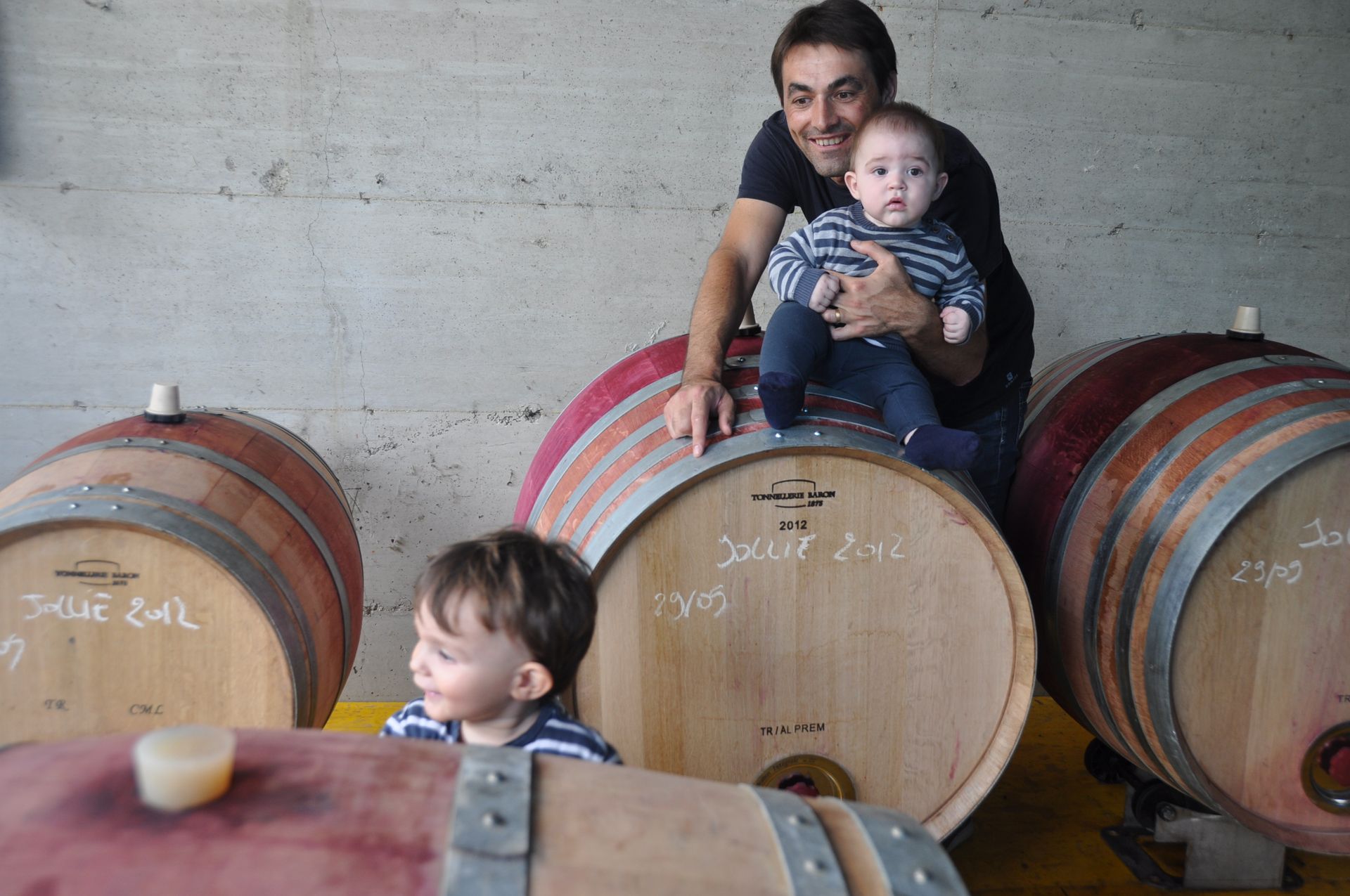
The creation of Sasso Rosso also reflects Pierre Gouttenoire's previous career in the wine world.
Before dedicating himself fully to the development of the Jollie ecosystem and the maturation cellars of Campo Sasso, Pierre worked as a winemaker and wine director for some of France's most respected wine companies, including Advini and Les Vins Skalli.
Those experiences provided a deep understanding of blending, terroir expression and wine style.
Yet they also reinforced a belief that great wines are not necessarily the most technical or the most prestigious.
The most memorable wines are often those that create emotion and bring people together.
Sasso Rosso is the result of that conviction.
A Quiet Rebellion
In many ways, Sasso Rosso is a quiet rebellion.
Not against appellations.
Not against tradition.
Not against expertise.
But against the idea that wine should be appreciated only through technical knowledge.
The label does not ask consumers to evaluate grape varieties, vintages, ageing techniques or classifications.
It asks only one question:
Do you enjoy drinking it?
The answer is meant to come from the senses rather than from the intellect.
This philosophy reflects the broader vision of Campo Sasso and Jollie.
Authenticity is not something to be preserved behind glass.
Traditions remain alive only when they continue to evolve and remain relevant to new generations.
The Wine of Campo Sasso
Ultimately, Sasso Rosso is neither a Chianti Classico nor a conventional Tuscan blend.
It is simply the wine of Campo Sasso.
A wine assembled from the landscapes of the Val d'Ema.
A wine shaped by experience, intuition and collaboration.
A wine created to accompany food, conversation and friendship.
A wine that seeks not to explain Tuscany, but to taste like it.
To taste or to order our Sasso Rosso, follow the links:
About the author: Pierre Gouttenoire is an agricultural engineer, oenologist and cheese affineur. He co-founded the Jollie ecosystem in Tuscany and oversees its wine, food and regenerative agriculture projects.