Terroir Is Not a Guarantee of Quality. It Is a Human Responsibility
In Brief
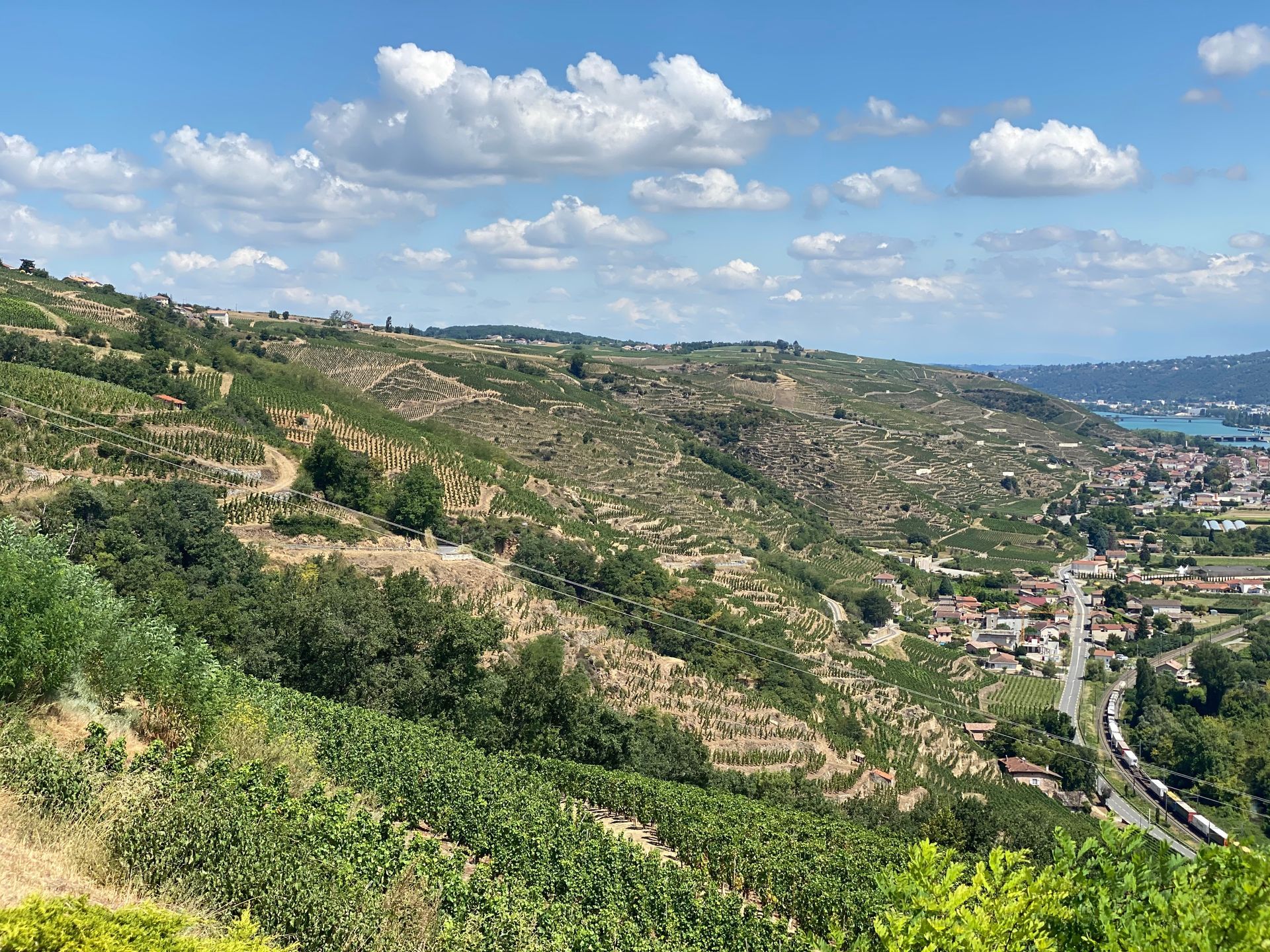
Terroir is not simply soil or climate. It is the interaction between a place, living organisms and human knowledge, developed to create a distinctive product.
But typicity does not automatically guarantee quality, sustainability or economic value. Terroir can preserve landscapes, traditions and craftsmanship. It can also be manipulated, standardised or reduced to a marketing argument.
Its future depends on our ability to defend and properly reward the courageous producers who remain faithful to their place and knowledge, rather than constantly adapting their products to the latest commercial trend.
Terroir Is Not a Guarantee of Quality. It Is a Human Responsibility
The Definition I Learnt at Agro Montpellier
When I studied agronomy and oenology at Agro Montpellier, Professor Alain Carbonneau taught us a definition of terroir that has remained with me ever since.
In his framework, a basic terroir unit begins with the interaction between mesoclimate and soil, including the subsoil. It becomes a viticultural terroir when grape varieties, cultivation methods, winemaking techniques and collective human knowledge are added to those natural conditions.
Carbonneau described terroir as a space in which a group of producers applies its knowledge and adapts its practices to different natural units in order to express an original typicity.
This understanding is close to the definition subsequently adopted by the International Organisation of Vine and Wine. The OIV describes vitivinicultural terroir as an area in which collective knowledge of the interactions between an identifiable physical and biological environment and applied practices creates distinctive characteristics in its products.
The important word is not simply soil. It is interaction.
Two vineyards in the same region may experience different sunlight, rainfall, wind or water availability. Their vines will also respond differently according to grape variety, rootstock, age, planting density, pruning, yields and soil management.
Terroir is therefore neither a geological inventory nor a mystical taste travelling directly from a rock into a glass. It is a relationship between place, living systems and people.
The Terroir of the Grape and the Terroir of the Wine
It is important to distinguish what terroir creates in the grape from what eventually appears in the wine.
Mesoclimate, soil and farming practices influence the grape’s sugars, acidity, aromatic precursors, phenolic compounds, nitrogen and water balance. But once the grapes enter the cellar, another series of human choices begins: harvest selection, fermentation, yeasts, temperature, extraction, pressing, blending, filtration and maturation.
Winemaking can reveal differences already present in the grapes. It can also amplify, transform, conceal or standardise them.
A wine does not therefore express terroir simply because its grapes were grown in a famous place. It does so only when the complete chain of decisions remains coherent with that place and allows something distinctive to emerge.
This distinction is essential. The terroir of the grape results from the interaction between nature, plant material and viticulture. The expression of terroir in the wine also includes the intentions and technical choices of the winemaker.
Human beings are therefore never outside terroir. They are at its centre.
Terroir Does Not Belong Only to Wine
The same concept applies to many agricultural products.
An olive oil is shaped by cultivars, climate, soil, harvest date, fruit condition and extraction. Cheese depends on animal breeds, pastures, forage, seasons, milk microbiology, cheesemaking and affinage.
Milk can express a farming terroir through animals and their diet. The finished cheese also reflects a transformation terroir through cultures, coagulation, salting, cave conditions and the knowledge of the cheesemaker and affineur.
A local raw material subjected to a completely standardised industrial process may retain its geographical provenance while losing much of its distinctive expression.
This broader understanding is why we chose the name Formaggioteca Terroir.
New World Brands and European Appellations
For many years, much of the New World wine industry placed greater emphasis on grape variety and producer brand than on territory.
This did not mean that the United States, Australia, Chile, Argentina, South Africa or New Zealand lacked distinctive terroirs. The difference was mainly cultural and commercial.
European wines were traditionally presented through place names such as Bordeaux, Burgundy, Barolo, Rioja or Chianti Classico. New World wines were more frequently communicated through varieties such as Chardonnay, Cabernet Sauvignon or Shiraz, supported by a recognisable producer brand.
This approach was easier to understand in international markets and allowed companies greater freedom to maintain a consistent style.
The two regulatory systems still reflect these different philosophies.
A European Protected Designation of Origin — PDO in English and DOP in Italian — protects both origin and a defined production framework. For wine, the grapes must come exclusively from the geographical area, while the specification generally regulates varieties, yields and production methods.
An American Viticultural Area, or AVA, primarily identifies a delimited grape-growing area. Under US wine-labelling rules, at least 85% of the wine must derive from grapes grown within the named AVA. However, the system does not normally impose a collective style, authorised varieties or maximum yields.
A PDO therefore attempts to organise a relationship between place, practices and product. An AVA primarily guarantees geographical origin.
Yet neither guarantees that the resulting wine will be good.
Typicity Is Not the Same as Quality
Typicity means that a product presents characteristics recognised as distinctive of a place or production system. It does not necessarily mean excellence.
Some appellations cover large and heterogeneous areas. Their boundaries and rules are not purely scientific: they also result from historical, political and economic negotiations.
An appellation is not terroir itself. It is a legal instrument intended to protect a collective interpretation of terroir.
That interpretation can evolve, sometimes for legitimate agricultural reasons and sometimes in response to changing markets.
The recent decision concerning Bordeaux red provides a revealing example.
In 2026, the INAO established a framework allowing French wine PDOs to include sweetening when their specifications expressly permit it.
The first application concerns Bordeaux red Claret.
It can contain up to 7 grams per litre of fermentable sugars, depending on acidity, and may be sweetened after fermentation with eligible grape must or concentrated grape must.
Technically, the geographical link is maintained because the sweetening products must come from grapes eligible for the Bordeaux appellation. Commercially, however, the style was deliberately developed to respond to changing consumer preferences.
Is this the legitimate evolution of terroir, or the construction of a new typicity for the market?
There is no simple answer. Terroir has never been static. Varieties, farming methods and winemaking techniques have always evolved. The real question is whether change strengthens the relationship between a product and its place or gradually transforms the appellation into a flexible marketing platform.
What I Had Already Seen in the French Wine Industry
The regulatory change must also be considered in light of previous practices.
During my own experience in the French wine industry, I encountered AOC wines prepared for certain export markets whose final balance was adjusted through sweetening, even though this was not legally permitted by their appellation specifications at the time.
This should not be interpreted as an accusation against the entire French wine sector. But the practice existed, particularly when wines were adapted to markets accustomed to softer or slightly sweeter styles.
The new framework did not invent the technique. It brought into the open a practice that could previously exist in the distance between official rules, commercial expectations and actual cellar decisions.
Greater legality and traceability may represent progress. But legality alone cannot determine whether a practice genuinely respects terroir.
Regulations establish what is permitted. They cannot determine the intentions of the people using those rules.
An Appellation Sold Below Cost Has Lost Its Meaning
The most serious weakness of the appellation system may ultimately be economic.
In 2025, the reported bulk-market price for generic Bordeaux was around €900 per tonneau of 900 litres. This represents approximately €1 per litre, or €0.75 of wine in a standard bottle before adding the bottle, closure, label, logistics, taxation and distribution.
What value does an appellation provide when the wine itself leaves the trade at approximately €0.75 per bottle?
It makes no sense to impose production rules, present a product as the expression of a distinctive agricultural system, and then allow it to be sold below its cost of production.
If an AOC restricts varieties, yields, geographical origin and farming methods, those obligations create costs. In return, the protected name should allow producers to create and retain value.
When an AOC product is sold below its sustainable production cost, the collective promise has been broken. The name remains legally protected while the agricultural system behind it is progressively destroyed.
Protected origin must also mean protected value.
The Need for Radical Political Decisions
Public policy can no longer limit itself to protecting geographical names against imitation. It must also protect the economic conditions that allow those names to remain alive.
This may require radical decisions:
- limiting appellation volumes to levels compatible with distinctiveness, consistent quality and realistic demand;
- reducing authorised yields when structural surpluses threaten prices;
- establishing minimum first-sale prices based on independently calculated production costs;
- restricting promotional prices that destroy the value of protected-origin products;
- guaranteeing producers a fair share of the final price;
- acting against excessive concentration and abuse of purchasing power in distribution.
A minimum price alone would not resolve overproduction. It must be accompanied by disciplined volumes and genuine qualitative requirements.
But allowing an AOC product to be sold below its production cost should no longer be considered a normal expression of the free market. It is a collective failure.
Consumers must remain free to buy inexpensive and standardised products. But these products should not use protected names to suggest rarity, heritage and craftsmanship while competing principally through discount prices.
Mass-market products can compete through volume and price. Terroir products must create value through origin, distinctiveness, knowledge and human work.
The Collective Impoverishment of “Always Cheaper”
Permanent discount is usually presented as a victory for the consumer. In the short term, it can provide a real financial advantage. But when always cheaper becomes the organising principle of the economy, it creates collective impoverishment — including the impoverishment of consumers themselves.
The consumer is also an employee, entrepreneur, taxpayer and member of a community.
When downward pressure destroys farmers’ incomes, artisan businesses and local employment, it reduces wages, economic diversity, public resources and opportunities. Consumers then become even more dependent on discount prices.
The apparent saving at the checkout is transferred elsewhere: to producers through inadequate incomes, to workers through lower wages, to the environment through postponed investment, and to taxpayers through subsidies and crisis programmes.
At the same time, agricultural production remains fragmented among thousands of farmers, while purchasing and distribution are concentrated among a limited number of powerful companies.
The producer carries the agricultural risk. The community maintains the landscape. Public institutions protect the name. Yet an increasing share of the economic value can be captured at the end of an increasingly oligopolistic distribution chain.
This is not a balanced market.
I Was Part of This System
I do not make this criticism as an outside observer.
Earlier in my career, I was responsible for wine within a major French group and acted as its principal wine buyer. I participated directly in a system built around volumes, price negotiations, market segmentation and the expectations of large distribution and export markets.
I was an actor in this commercial system of volume purchasing and price pressure and, in that economic sense, complicit in it.
My agricultural roots nevertheless never entirely disappeared. I knew that behind every litre of wine or agricultural product there was land, physical work, uncertainty, transmitted knowledge and a family trying to make a living.
Over time, my conscience and the contradiction between these realities and the economic system in which I worked became increasingly difficult to ignore.
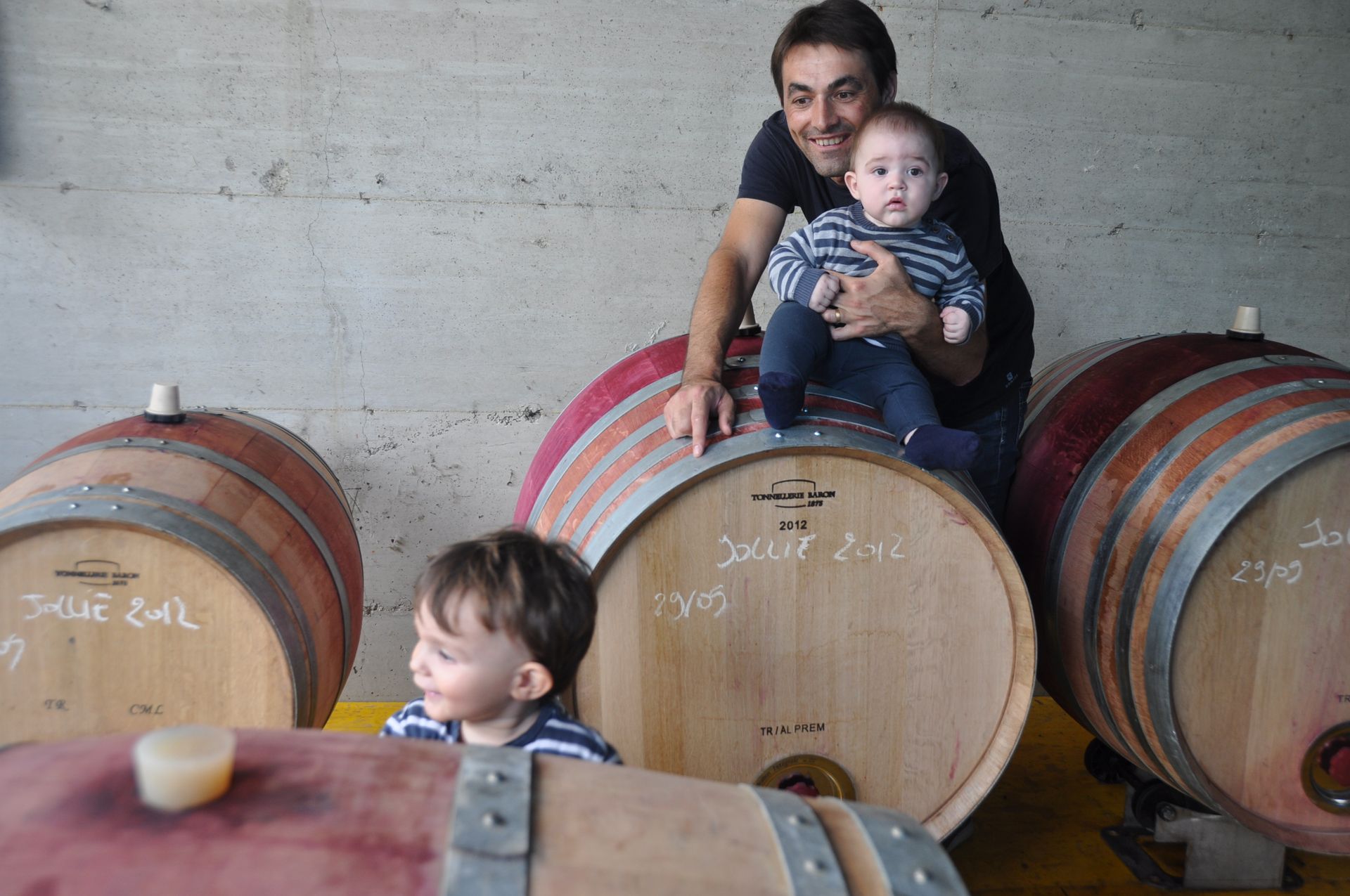
My meeting with Rebecca finally convinced me that another path was possible.
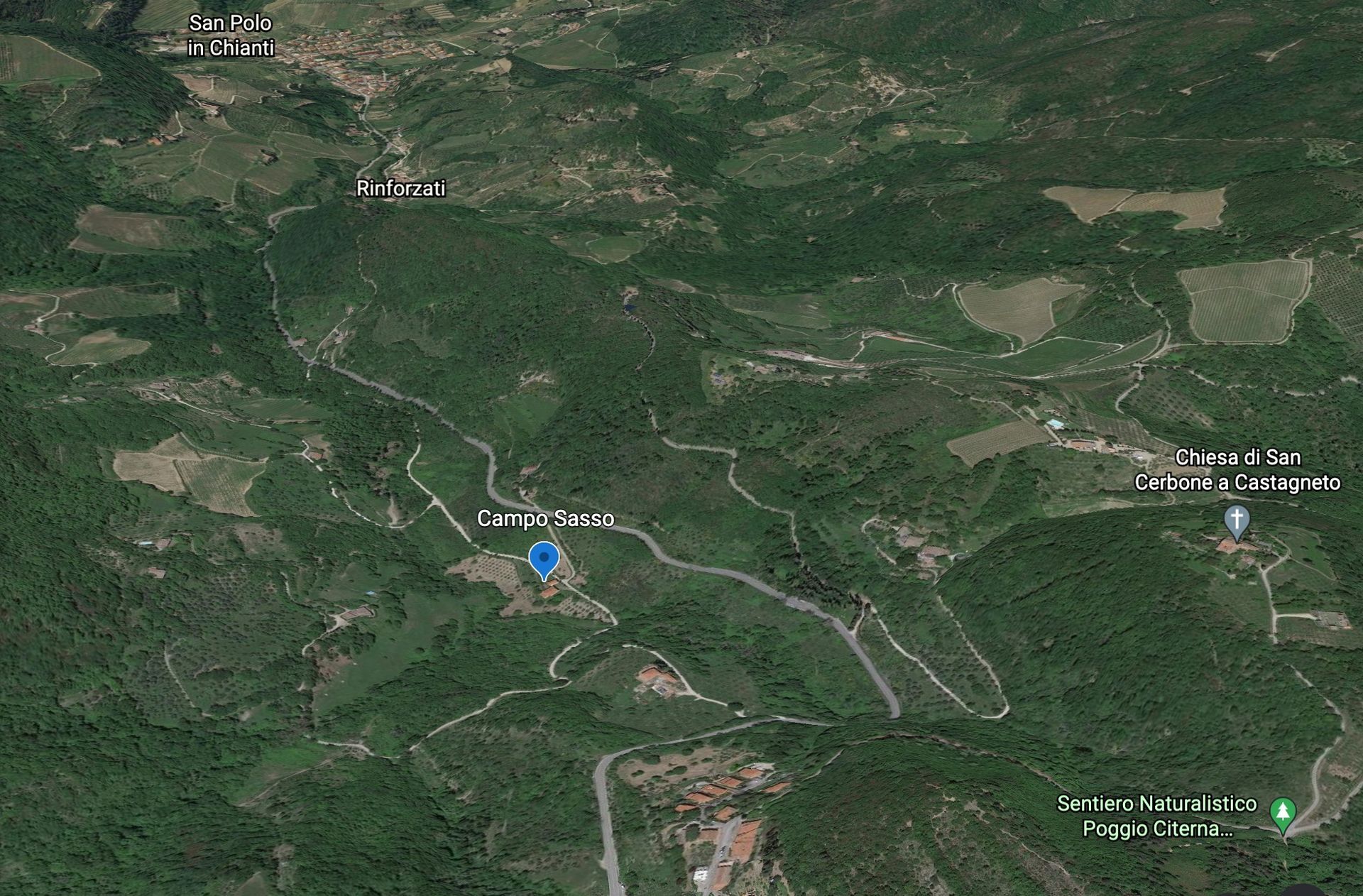
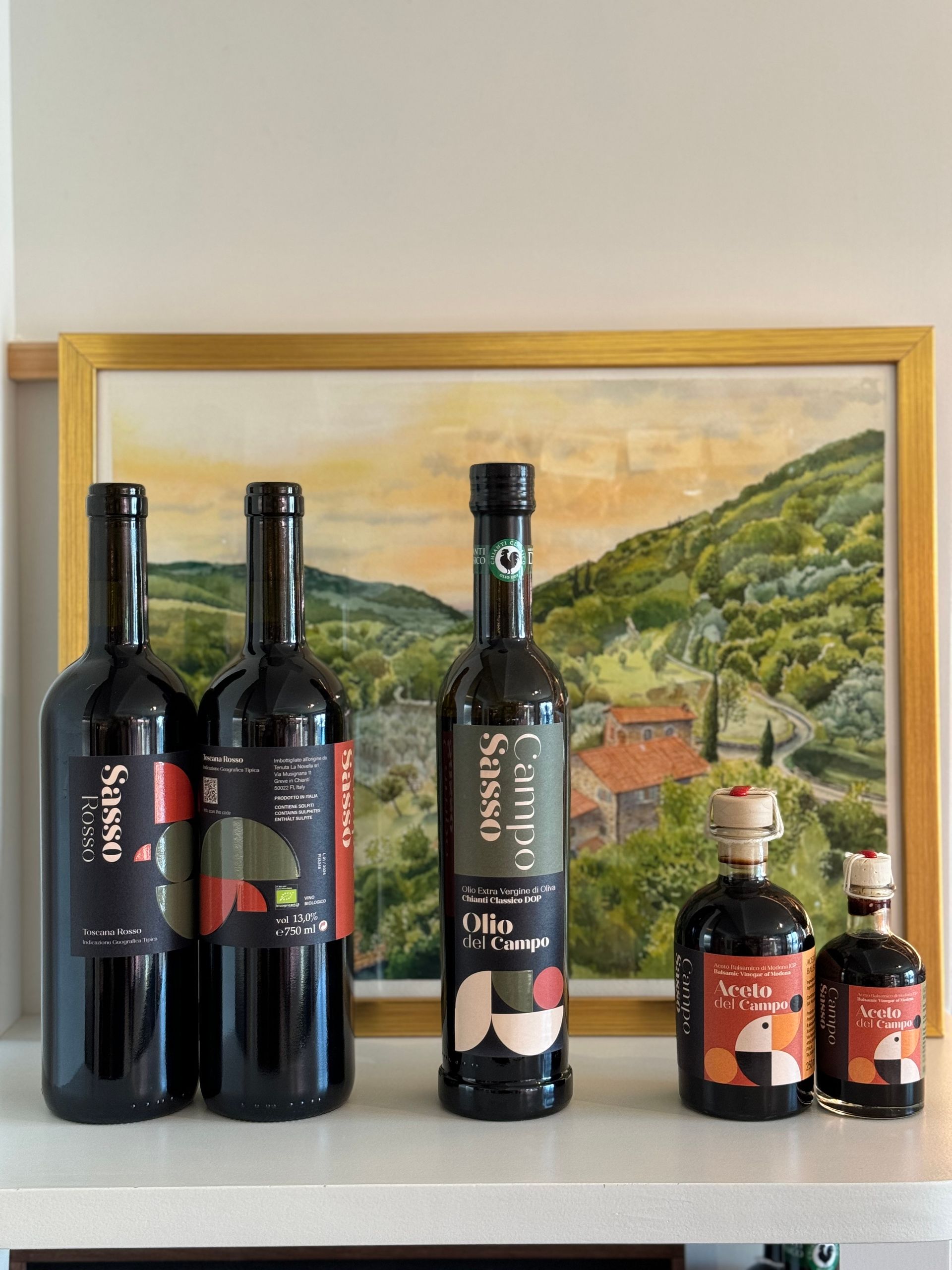
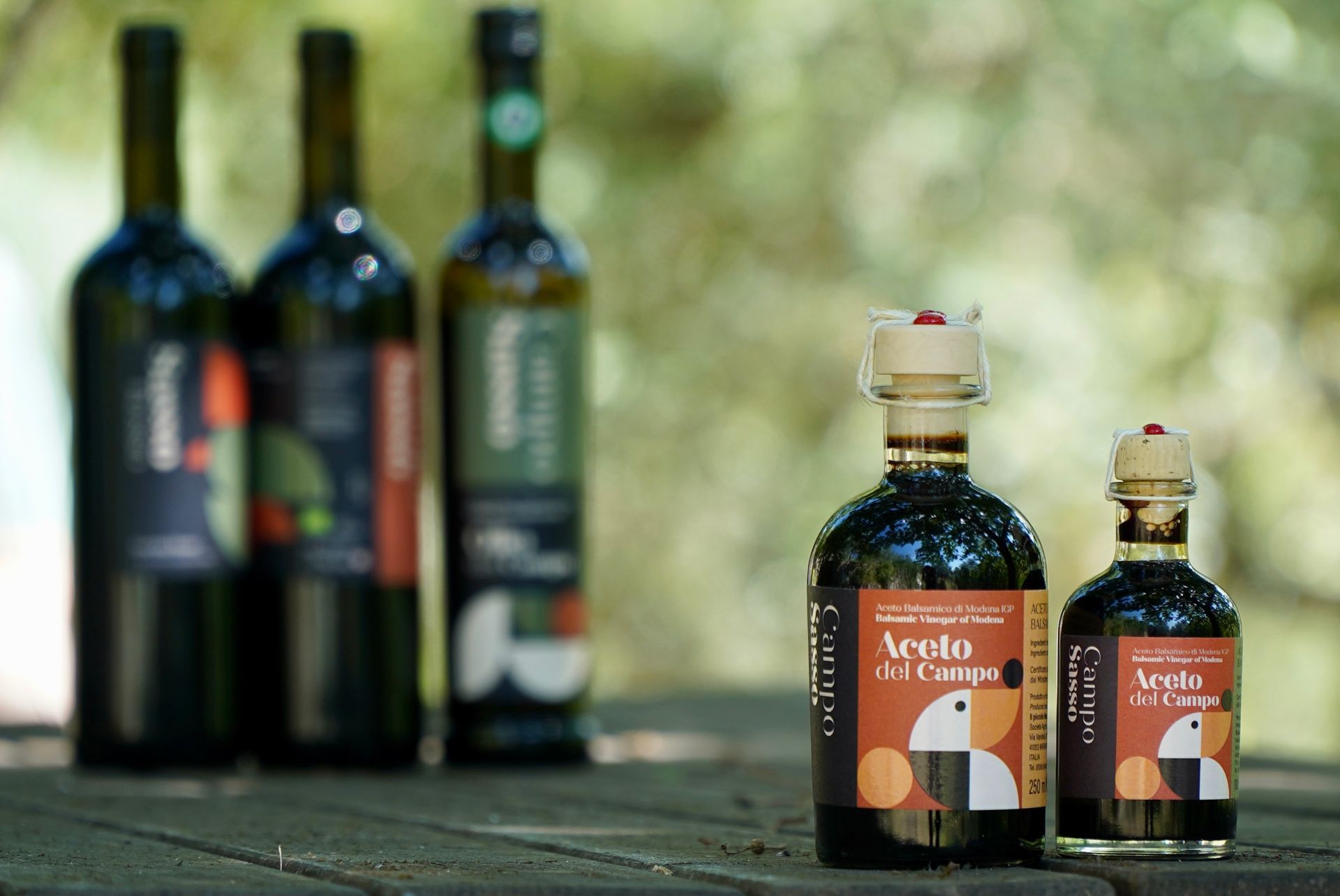
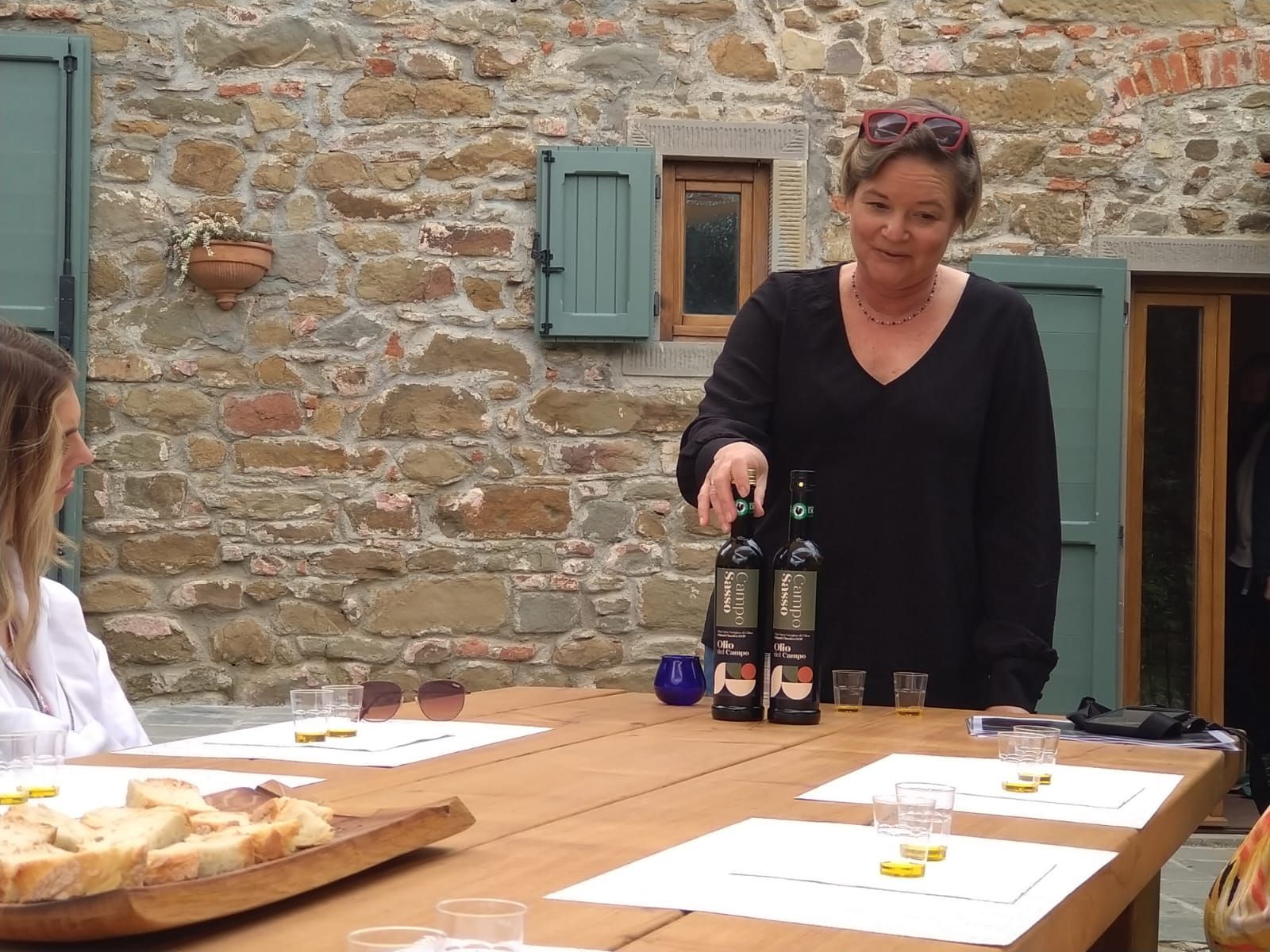
From this conviction came Grape Tours, followed by Formaggioteca Terroir, Campo Sasso, Sasso Forte, Sasso Rosso, Fattoria Tracolle and eventually the wider Jollie ecosystem.
These initiatives are our attempt to reconnect products with producers and consumers through hospitality, education, craftsmanship and more direct forms of value creation.
My earlier participation in the system cannot be erased. But criticism alone is insufficient.
We must build alternatives.
Defending Those Who Hold the Line
The future of terroir depends above all on the people who continue to defend it.
They are farmers, winegrowers, livestock breeders, cheesemakers, affineurs and artisans who preserve varieties, breeds, landscapes and knowledge that would otherwise disappear. Many work on a small scale, face higher production costs and refuse to simplify their products merely to follow the latest consumer trend.
They are often described romantically as guardians of tradition. But their daily reality is rarely romantic.
They work with uncertain harvests, climatic risks, administrative constraints, fragile margins and commercial systems that constantly demand lower prices, larger volumes and greater standardisation.
They are courageous because they continue to believe that a product should remain faithful to a place, a history and a method, even when the market encourages them to change direction with every new fashion or marketing concept.
This does not mean that tradition should be frozen.
Terroir has always evolved. Grape varieties, farming techniques, tools and tastes have changed throughout history. The difference lies between adapting a living tradition to new realities and abandoning its principles simply to follow the market.
True continuity does not mean refusing all change. It means knowing what must not be lost.
Valorisation Is More Than a Higher Price
Defending these producers first requires economic value.
A fair price is essential because no agricultural tradition can survive if the people responsible for it cannot make a dignified living. But valorisation means more than increasing the price of a product.
It also means making the producer visible, explaining the work involved, protecting access to markets and ensuring that a fair share of the final value returns to the land.
Too often, society celebrates artisan producers while expecting them to accept poverty as proof of authenticity. We admire their courage, photograph their landscapes and tell their stories, but continue to purchase primarily according to price.
That contradiction is no longer sustainable.
Those who preserve collective agricultural heritage should not be asked to carry its cost alone. If their work maintains landscapes, biodiversity, local knowledge and rural communities, its value must be recognised collectively and economically.
Education Is the Beginning of Value
This recognition can exist only through education.
Education does not mean teaching consumers to memorise appellations or technical tasting vocabulary. It means helping them understand how a product is created, why seasons and landscapes matter, what differentiates an artisan method from an industrial process, and how the price they pay is distributed.
A consumer who understands production no longer sees only a bottle of wine, a piece of cheese or a bottle of olive oil. They see land, time, risk, knowledge and human work.
Education therefore creates value before the sale takes place.
It gives consumers the ability to distinguish substance from marketing language. It helps them recognise when the vocabulary of terroir is being used to sell a standardised product and when a producer is genuinely maintaining a connection between place, practices and identity.
This education must begin with younger generations. Children and young adults should encounter farms, animals, vineyards, workshops and the people who produce food.
Without these direct experiences, agriculture becomes an abstraction and price becomes the only understandable criterion.
The future of terroir cannot depend solely on regulations. It depends on creating informed consumers capable of recognising, choosing and paying for what they want to preserve.
Terroir Is Something We Choose to Defend
Despite the abuses, contradictions and commercial distortions surrounding the word, I still believe in terroir.
I return to the definition Alain Carbonneau taught us at Agro Montpellier: the interaction between mesoclimate, soil and the knowledge developed by people to create a distinctive product.
Human beings are its greatest strength, but also the source of its possible deviations.
People can manipulate terroir, simplify it and use it as a marketing device. But they are also capable of preserving its knowledge, defending its integrity and transmitting it.
Today, the urgency is to stand beside those who continue to do so.
They should not be preserved as picturesque figures from a disappearing rural world. They should be recognised as essential actors in our agricultural, cultural and economic future.
Their work must be explained. Their products must be valued. Their knowledge must be transmitted. And they must receive a price that allows them not merely to survive, but to invest, innovate and pass their farms and crafts to the next generation.
Terroir is not guaranteed by a soil, an appellation or a protected name.
It exists because people choose to remain faithful to a place — and because the rest of society chooses to give value to that commitment.
About the author: Pierre Gouttenoire is an agricultural engineer, oenologist and cheese affineur. He co-founded the Jollie ecosystem in Tuscany and oversees its wine, food and regenerative agriculture projects.