Balsamic Vinegar: Grapes, Time and Human Knowledge
In Brief
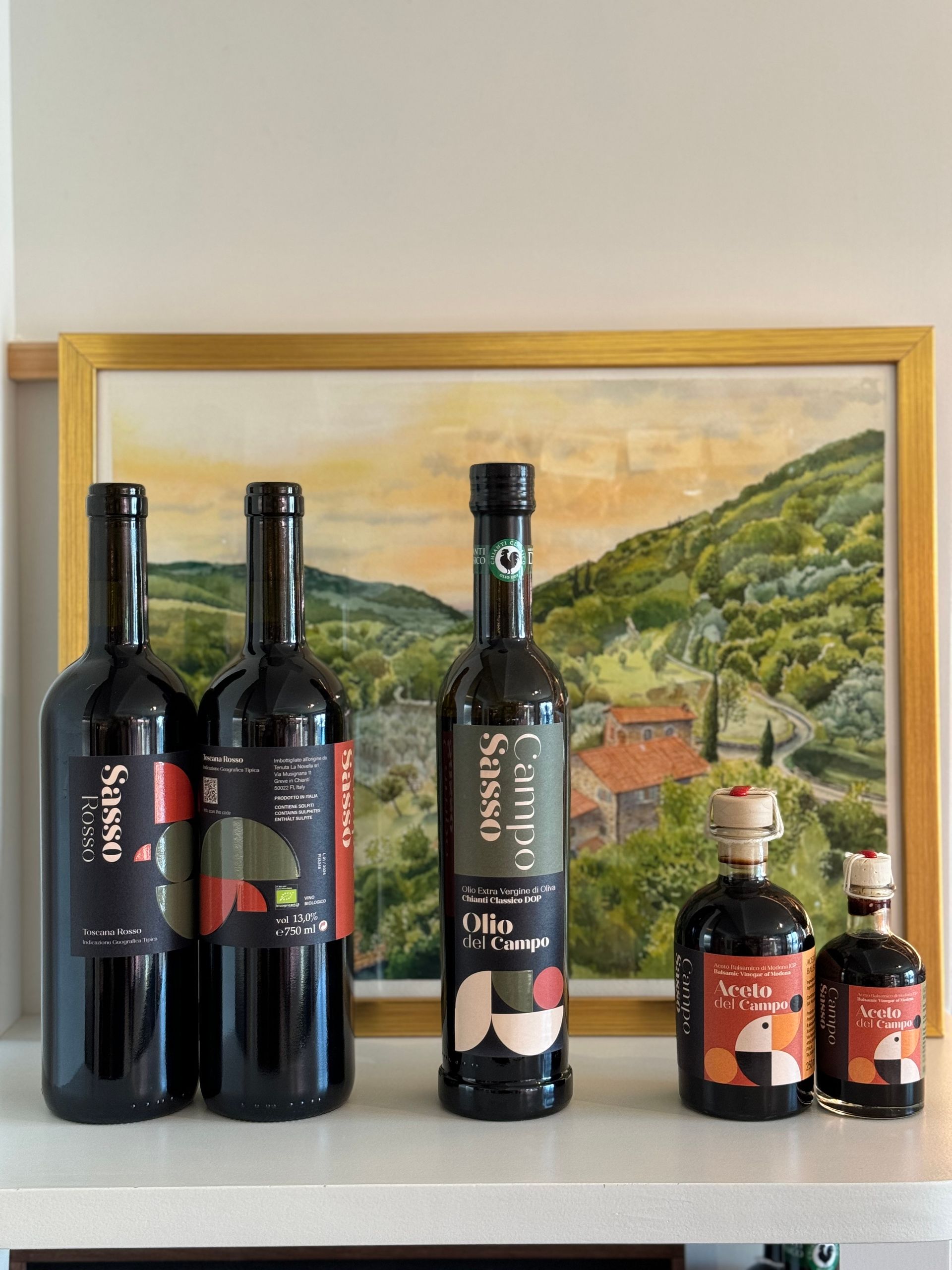
Balsamic vinegar is not simply a dark, sweet condiment. It is the result of cooked grape must, fermentation, acetification, wood and time. This article explains the differences between inexpensive industrial balsamic-style products, Aceto Balsamico di Modena IGP and traditional DOP vinegars, while highlighting the commercial confusion that often surrounds them. It also presents our own Aceto Balsamico di Modena IGP, produced in Modena with Sabrina of Il Piccolo Mugnaio and aged for ten years in wooden barrels.
Keywords: balsamic vinegar, Aceto Balsamico di Modena IGP, traditional balsamic vinegar, Modena, cooked grape must, mosto cotto, vinegar ageing, wooden barrels, acetaia, balsamic glaze, food authenticity, Italian gastronomy, artisanal vinegar, ten-year-aged balsamic vinegar, Jollie
Balsamic Vinegar: Grapes, Time and Human Knowledge
Balsamic vinegar is one of the most familiar names in Italian gastronomy—and one of the least clearly understood.
The same expression may appear on a large, inexpensive supermarket bottle and on a small bottle containing a product matured for many years. Both liquids may be dark, sweet and acidic, yet they can have almost nothing in common in terms of ingredients, production method, origin, ageing or cultural value.
Behind this confusion lies a fundamental question: what is balsamic vinegar?
The answer cannot be found in colour, density, sweetness or packaging alone. Balsamic vinegar should first be understood as a process of transformation: grape must is concentrated, fermented, acetified and matured over time.
Like wine, cheese and olive oil, balsamic vinegar does not simply exist in nature. It is the result of human intervention, observation and knowledge accumulated across generations.
From Fragile Grape Must to a Stable Product
The history of balsamic vinegar is inseparable from the agricultural culture of Emilia, particularly the territories of Modena and Reggio Emilia.
For centuries, families in this region cooked freshly pressed grape must to concentrate it and preserve part of the harvest. Cooking reduced its volume, increased its sugar concentration and created a darker, richer and more aromatic liquid.
But cooked grape must alone is not yet balsamic vinegar.
The must must undergo a complex sequence of biological and chemical transformations. Yeasts convert part of its sugars into alcohol, while acetic bacteria transform that alcohol into acetic acid. During maturation, oxidation, evaporation and reactions between sugars, acids and aromatic compounds progressively create the balance between sweetness and acidity that characterises a genuine balsamic product.
This transformation also makes balsamic vinegar remarkably stable.
Its acidity inhibits the development of many undesirable microorganisms. Its high concentration of sugars and other dissolved compounds reduces the amount of water available for microbial growth. Progressive evaporation during ageing further concentrates and stabilises the liquid.
Its stability therefore does not come from sugar alone. It results from the combined effects of:
- concentration;
- alcoholic fermentation;
- acetification;
- acidity;
- evaporation;
- ageing.
Balsamic vinegar is another example of how human communities learned to transform a fragile agricultural raw material into something safer, more stable and more complex.
The Acetaia: A Place of Transformation
Traditional balsamic vinegar is not simply stored. It is raised and matured.
Its place of ageing is known as an acetaia, traditionally located in the upper part of a house, where the vinegar is exposed to the natural temperature variations of the seasons.
Summer heat encourages evaporation and biological activity. Winter cold slows the process and allows the liquid to settle and clarify. These annual cycles are not accidental: they are part of the production method.
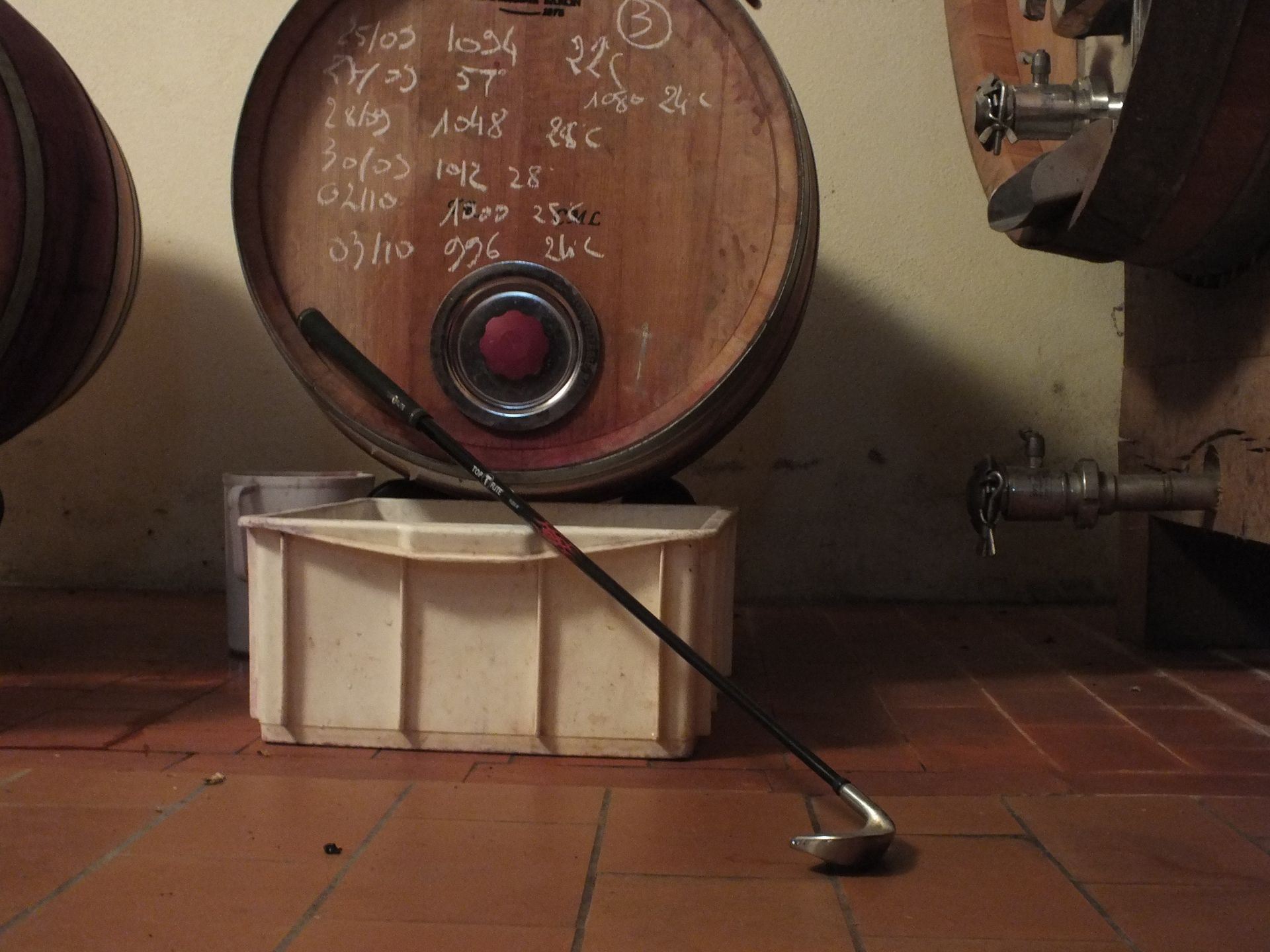
The vinegar may be matured in a series of wooden barrels of decreasing size known as a batteria. Each year, a small quantity is taken from the smallest barrel. It is then replenished with vinegar from the next barrel, which is itself topped up from the preceding one.
These operations, known as travasi and rincalzi, create continuity between successive years of production.
The final vinegar is not necessarily the expression of a single vintage. It can represent the continuity of a family acetaia, its barrels, its microbial environment and the knowledge of the people who maintain it.
The Importance of Wood
Different woods may be used during maturation, including oak, chestnut, cherry, mulberry, acacia and, in some cases, juniper.
Their influence should not be reduced to the simplistic idea that wood merely “flavours” the vinegar.
Wood affects:
- evaporation;
- oxygen exchange;
- tannin structure;
- aromatic evolution;
- concentration;
- texture.
Old barrels are particularly valuable because they preserve their own biological and sensory history. Over decades, they become part of the identity of the vinegar itself.
Time is therefore not merely an age statement printed on a label.
Time is an ingredient.
One Name, Radically Different Products
The modern market places several profoundly different products under the broad idea of “balsamic vinegar.”
Understanding them requires looking beyond the front label.
Industrial Balsamic-Style Vinegars and Glazes
At the lowest end of the market are inexpensive balsamic-style vinegars, dressings and glazes.
Many are based primarily on ordinary wine vinegar, to which a relatively small proportion of cooked or concentrated grape must is added. Depending on the product, sweetness, colour and viscosity may be reinforced with sugar, caramel, thickeners, flavourings or other ingredients.
These products may be useful as sweet-and-sour condiments, but they should not be confused with a vinegar whose natural concentration and aromatic complexity were created through years of maturation.
Dark colour is easy to reproduce.
Density can be manufactured.
Sweetness can be added.
Time cannot.
Balsamic glazes create even more confusion. Their thick texture may suggest concentration through ageing, although it often comes primarily from added sugar or starch.
A decorative dark line on a plate can appear luxurious while containing very little of the product or craftsmanship whose history it evokes.
Aceto Balsamico di Modena IGP
Aceto Balsamico di Modena IGP is a protected geographical indication governed by an official production specification.
It is produced from grape must combined with wine vinegar and must be made within the recognised geographical area.
However, the IGP category itself contains products of very different quality levels.
Some entry-level examples are designed mainly around volume, price and rapid production. They may contain a high proportion of wine vinegar and only enough grape must to provide sweetness, colour and the expected balsamic profile.
Other Aceti Balsamici di Modena IGP contain a much higher proportion of grape must and are matured for several years in wooden containers. These products develop greater concentration, depth, texture and integration between sweetness and acidity.
The IGP designation guarantees geographical origin and compliance with a regulated production method. It does not mean that every bottle has:
- the same proportion of grape must;
- the same quality of raw materials;
- the same maturation period;
- the same sensory complexity.
The ingredients, the balance between must and wine vinegar, and the time spent in wood remain essential indicators of quality.
Aceto Balsamico Tradizionale DOP
At the highest and most historically demanding level is Aceto Balsamico Tradizionale DOP.
Traditional Balsamic Vinegar of Modena is produced exclusively from cooked grape must. It does not rely on the addition of wine vinegar to create its acidity.
The cooked must undergoes fermentation, acetification, evaporation and prolonged maturation through the traditional barrel system.
It must age for at least twelve years. The Extravecchio category requires at least twenty-five years of ageing.
A separate protected designation also exists for Aceto Balsamico Tradizionale di Reggio Emilia DOP, confirming that the historical culture of traditional balsamic vinegar extends beyond Modena alone.
These traditional DOP products should not be considered simply sweeter or thicker versions of ordinary vinegar. They are concentrated expressions of cooked grape must, acidity, seasonal evaporation, wood and generational continuity.
They are used by the drop rather than poured as a conventional salad dressing.
Balsamic Vinegar Is a Process, Not One Universal Appellation
The expression “balsamic vinegar” describes a type of product and a transformation process rather than one single universal recipe.
The complete protected names—such as Aceto Balsamico di Modena IGP, Aceto Balsamico Tradizionale di Modena DOP and Aceto Balsamico Tradizionale di Reggio Emilia DOP—are linked to recognised territories and regulated production specifications.
The generic words “balsamic” or “balsamic vinegar,” however, may also be used for products made elsewhere, provided they do not unlawfully imitate or misuse the complete protected names.
Not every product described as balsamic vinegar therefore comes from Modena.
Not every use of the word is necessarily illegal.
But this legal distinction does not eliminate the cultural and commercial confusion.
Historically and gastronomically, the authentic culture of balsamic vinegar belongs to Emilia and, above all, to the territories of Modena and Reggio Emilia. A serious balsamic product must be understood through its origin, ingredients and method—not merely through the word “balsamic” on its packaging.
Commercial Confusion and the Illusion of Quality
The principal problem surrounding balsamic vinegar is not always direct counterfeiting.
More often, it is the deliberate confusion between products of radically different value.
A cheap industrial bottle may be presented using images of vineyards, wooden barrels, ancient cellars and family traditions, even when its production is rapid and its time in wood is minimal.
Words such as:
- aged;
- reserve;
- premium;
- traditional style;
- special selection;
may create expectations that are not supported by the actual ingredients or production method.
Even famous chefs can contribute to this confusion when they use thick industrial glazes as decorative elements while referring broadly to “balsamic vinegar.”
Their reputation gives cultural legitimacy to a product whose texture may come mainly from added sugar, caramel or starch rather than years of natural evaporation.
The problem is not only that consumers may pay too much for an ordinary product.
The deeper issue is that the meaning of an entire craft is gradually erased.
When every dark and sweet vinegar is presented as equivalent:
- cooked grape must loses its importance;
- fermentation becomes invisible;
- barrels become decorative symbols;
- ageing becomes a marketing adjective;
- sweetness replaces complexity.
How to Recognise a Serious Balsamic Vinegar
The best defence against this confusion is transparency.
Consumers should read the ingredients and identify the exact denomination shown on the bottle.
They should consider:
- whether the product carries an IGP or DOP designation;
- where it was produced;
- the position of grape must and wine vinegar in the ingredients list;
- whether sugar, caramel, thickeners or flavourings have been added;
- how long the vinegar was genuinely matured;
- whether that maturation took place in wood.
Taste is equally important.
A serious balsamic vinegar should not taste merely sweet. It should have tension, freshness, acidity, depth and aromatic persistence.
Sweetness and acidity must support one another.
A product dominated by sugar may be immediately appealing, but it often lacks the structure and length created by real maturation.
Why Bottle Size Matters
Bottle size also influences how a product is perceived and used.
Low-cost commercial balsamic vinegars are often sold in large formats because they are treated as ordinary salad vinegars or sauces to be poured generously.
A mature balsamic vinegar should be used differently.
Its natural concentration, acidity and aromatic intensity mean that only a small quantity is required. It should be applied with precision rather than used to cover food.
For this reason, we believe that a carefully aged balsamic vinegar should be offered in bottles of no more than 250 ml.
This is not a general legal limit for Aceto Balsamico di Modena IGP. It is a qualitative and cultural choice.
A small bottle encourages the consumer to treat balsamic vinegar as a concentrated condiment: used sparingly, tasted attentively and respected for the time required to produce it.
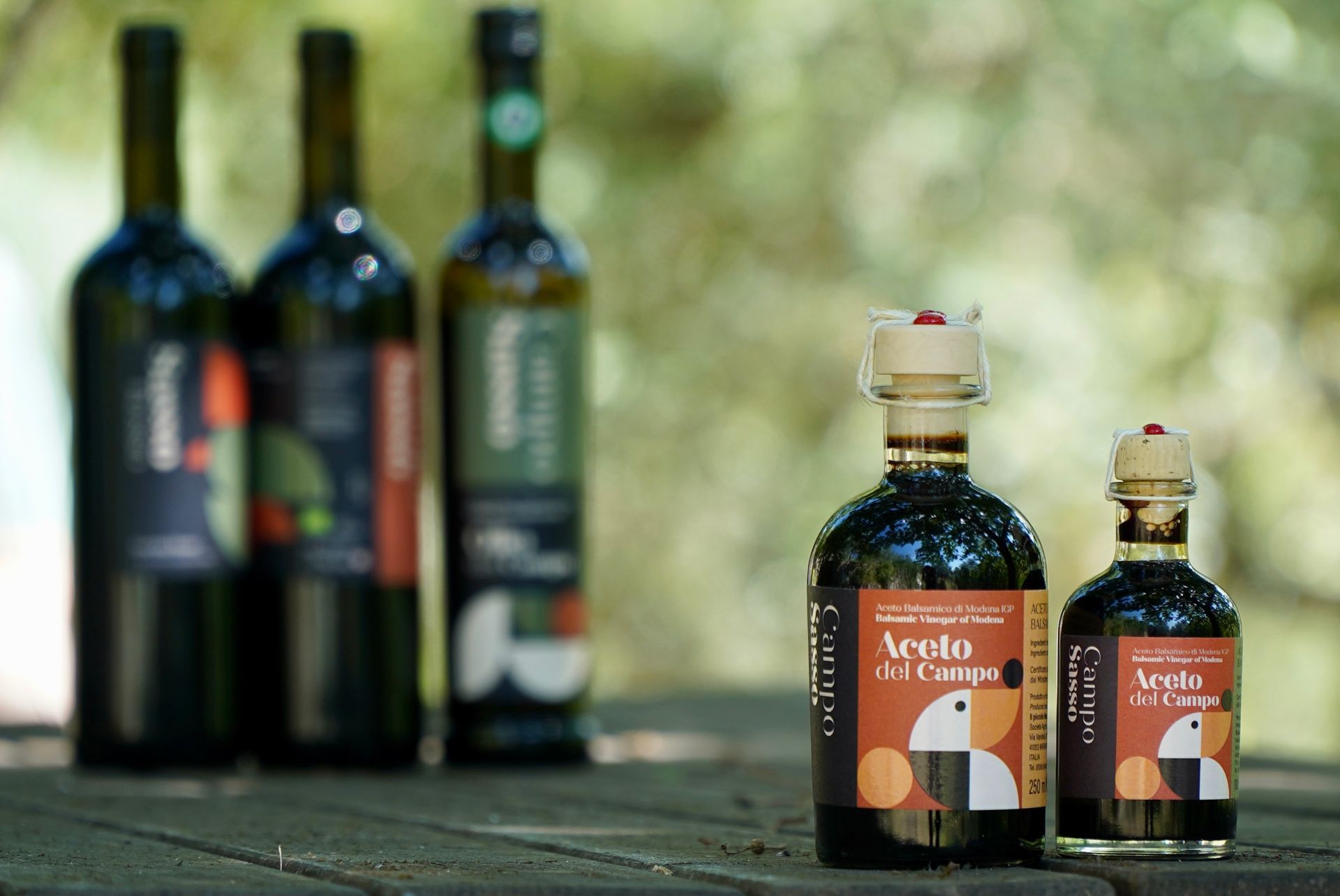
Our Ten-Year-Aged Aceto Balsamico di Modena IGP
Within the Jollie ecosystem, we wanted to offer a balsamic vinegar whose identity could be explained as clearly as it could be tasted.
Our product is an authentic Aceto Balsamico di Modena IGP, produced in collaboration with Sabrina of Il Piccolo Mugnaio in Modena.
It is matured for ten years in wooden barrels.
This long ageing period places it far from the cheapest commercial interpretation of balsamic vinegar.
Time in wood allows for:
- progressive evaporation;
- natural concentration;
- aromatic evolution;
- better integration between sweetness and acidity;
- greater depth and persistence.
Its texture and complexity are the result of grape must and maturation—not artificial thickening or excessive sweetness.
Our balsamic vinegar is offered only in small bottles, with a maximum format of 250 ml, because it is not intended to be poured like an ordinary wine vinegar.
It should be used with precision: a few drops on aged cheese, Parmigiano Reggiano, roasted vegetables, grilled or roasted meat, strawberries or even tasted alone.
Its balance also makes it particularly suited to the world of cheese, where sweetness and acidity can complement mature, salty and intensely aromatic flavours without overwhelming them.
Our objective is not simply to sell another dark condiment.
It is to preserve and communicate the connection between Modena, grape must, wooden barrels, microbial transformation and the human knowledge required to guide a product through ten years of ageing.
Because balsamic vinegar should never be reduced to a decorative sauce placed on a plate.
At its best, it is the result of grapes, fermentation, acetification, seasonal temperatures, evaporation, wood and patient human decisions.
Like wine and cheese, its real value lies not in the name printed on the bottle, but in the knowledge required to transform and preserve an agricultural raw material over time.
Balsamic vinegar is not created by nature alone. It is created by culture.
About the author: Pierre Gouttenoire is an agricultural engineer, oenologist and cheese affineur. He co-founded the Jollie ecosystem in Tuscany and oversees its wine, food and regenerative agriculture projects.