From Mass Tourism to Regenerative Tourism: A New Way to Experience Tuscany
Tuscany is one of the most admired destinations in the world. Its landscapes, vineyards, villages, food traditions and cultural heritage attract millions of visitors every year. This visibility is a privilege, but also a responsibility.
Tourism can support local economies, preserve traditions and create meaningful encounters. But when it is not managed carefully, it can also put pressure on landscapes, communities, small producers and cultural identity. This is why the question is no longer simply how many people visit Tuscany, but what kind of tourism Tuscany wants to encourage.
At Jollie, through Grape Tours, Formaggioteca Terroir and Campo Sasso, we believe that the future of tourism in Tuscany lies in moving beyond passive consumption. Our goal is not only to show beautiful places, but to help regenerate the connection between people, food, wine, landscapes and local culture.
The Numbers Behind the Challenge
The debate around the future of tourism in Tuscany is not theoretical. It is already visible in the numbers.
In 2024, Tuscany exceeded 53 million tourist overnight stays, according to IRPET’s tourism report, with total overnight stays growing by 4.1% compared with 2023. This growth was largely driven by international demand, with foreign overnight stays increasing by 10.3%.
Florence illustrates the pressure even more clearly. In the first ten months of 2025, the city recorded more than 4 million tourist arrivals and 9.7 million overnight stays, with both indicators increasing compared with the same period in 2024. Beyond hotel and accommodation statistics, Florence also receives a very large number of day visitors, which increases pressure on mobility, public space and the historic centre.
Tourist buses are one of the most visible signs of this pressure. In 2025, local reporting indicated that 56,369 tourist coaches entered Florence, equivalent to more than 150 buses per day and an estimated 2.8 million visitors arriving by coach alone. Early 2026 figures suggested that this trend was continuing, with more than 22,000 buses already registered in the first five months of the year.
These figures do not mean that tourism is negative. Tourism remains essential for Tuscany’s economy, employment, cultural visibility and international appeal. But they show why the quality of tourism matters. A destination like Tuscany cannot be managed only through volume. The real question is not simply how many people come, but how they come, what they understand, who benefits from their visit, and what kind of impact they leave behind.
This is where the distinction between mass tourism, slow tourism, sustainable tourism and regenerative tourism becomes essential. These concepts are often used together, but they do not mean the same thing. For Tuscany, and for the Jollie ecosystem, understanding the difference is key to building a more responsible and meaningful future for tourism.
Mass Tourism: Consuming a Destination
Mass tourism is based on volume. It aims to bring large numbers of visitors to popular destinations, often through standardized itineraries, fast experiences and limited interaction with the local ecosystem.
In Tuscany, mass tourism can take the form of crowded city centres, rushed day trips, large bus groups, superficial wine tastings and experiences designed more for efficiency than for understanding. Visitors may see the landscape, taste the wine and take photographs, but they often leave without truly understanding the people, work and history behind what they have consumed.
The risk is not only environmental. Mass tourism can weaken local identity by transforming living places into scenery. It can put pressure on residents, infrastructure and public space. It can also push small artisans and independent producers to the margins, while concentrating value in platforms, intermediaries and high-volume operators.
For Tuscany, the challenge is clear: tourism must not reduce the region to a postcard. It should help keep its rural, agricultural and cultural life alive.
Slow Tourism: Taking Time to Understand
Slow tourism is a response to the speed and superficiality of mass tourism. It invites visitors to travel at a different rhythm: fewer places, deeper encounters, more attention to local culture, food, landscapes and people.
Applied to Tuscany, slow tourism means choosing quality over quantity. It means visiting independent wineries instead of rushing from one famous label to another. It means learning why Sangiovese expresses itself differently from one valley to the next. It means understanding why cheese, olive oil, bread, cured meats and wine belong to the same cultural ecosystem.
For Jollie, slow tourism is central to the way Grape Tours was created. Small-group and private wine and food experiences allow visitors to meet producers, listen to their stories and understand the agricultural and human reality behind each product.
Slow tourism is not about doing less. It is about seeing more deeply.
Sustainable Tourism: Reducing Negative Impact
Sustainable tourism goes one step further by asking whether tourism can operate in a way that balances environmental, economic and socio-cultural impacts. The United Nations describes sustainable tourism as an approach that takes full account of current and future economic, social and environmental impacts while addressing the needs of visitors, the industry, the environment and host communities.
In practice, sustainable tourism means reducing waste, limiting unnecessary resource consumption, supporting local businesses, respecting cultural heritage and ensuring that tourism benefits host communities.
For Tuscany, this is essential. The region’s beauty depends on fragile balances: between agriculture and landscape, visitors and residents, tradition and innovation, rural life and global demand. Sustainable tourism helps protect those balances.
Within the Jollie ecosystem, sustainability is expressed through concrete choices: working with independent wineries and artisans, supporting local food networks, promoting direct relationships with producers, reducing unnecessary intermediaries, valuing cultural interpretation and encouraging responsible visitor behaviour.
But sustainability is not the final destination. It is the foundation.
Regenerative Tourism: Leaving a Place Better Than We Found It
Regenerative tourism goes beyond reducing harm. It asks a more ambitious question: can tourism actively contribute to the vitality of a place?
Regenerative tourism is inspired by the same logic as regenerative agriculture: the goal is not only to preserve resources, but to restore, reconnect and strengthen living systems. Applied to tourism, this means creating experiences that contribute to the long-term health of communities, landscapes, food systems and cultural heritage.
For Jollie, regenerative tourism means reconnecting what modern tourism often separates: wine from agriculture, food from landscape, hospitality from local identity, and visitors from the people who make Tuscany live.
This vision is expressed across the ecosystem:
Grape Tours introduces international visitors to the diversity of Tuscany through wine, cheese, olive oil, meat, agriculture, gastronomy and cultural interpretation.
Formaggioteca Terroir regenerates the way cheese is presented and understood in Italy, creating a bridge between producers, local clients and international visitors.
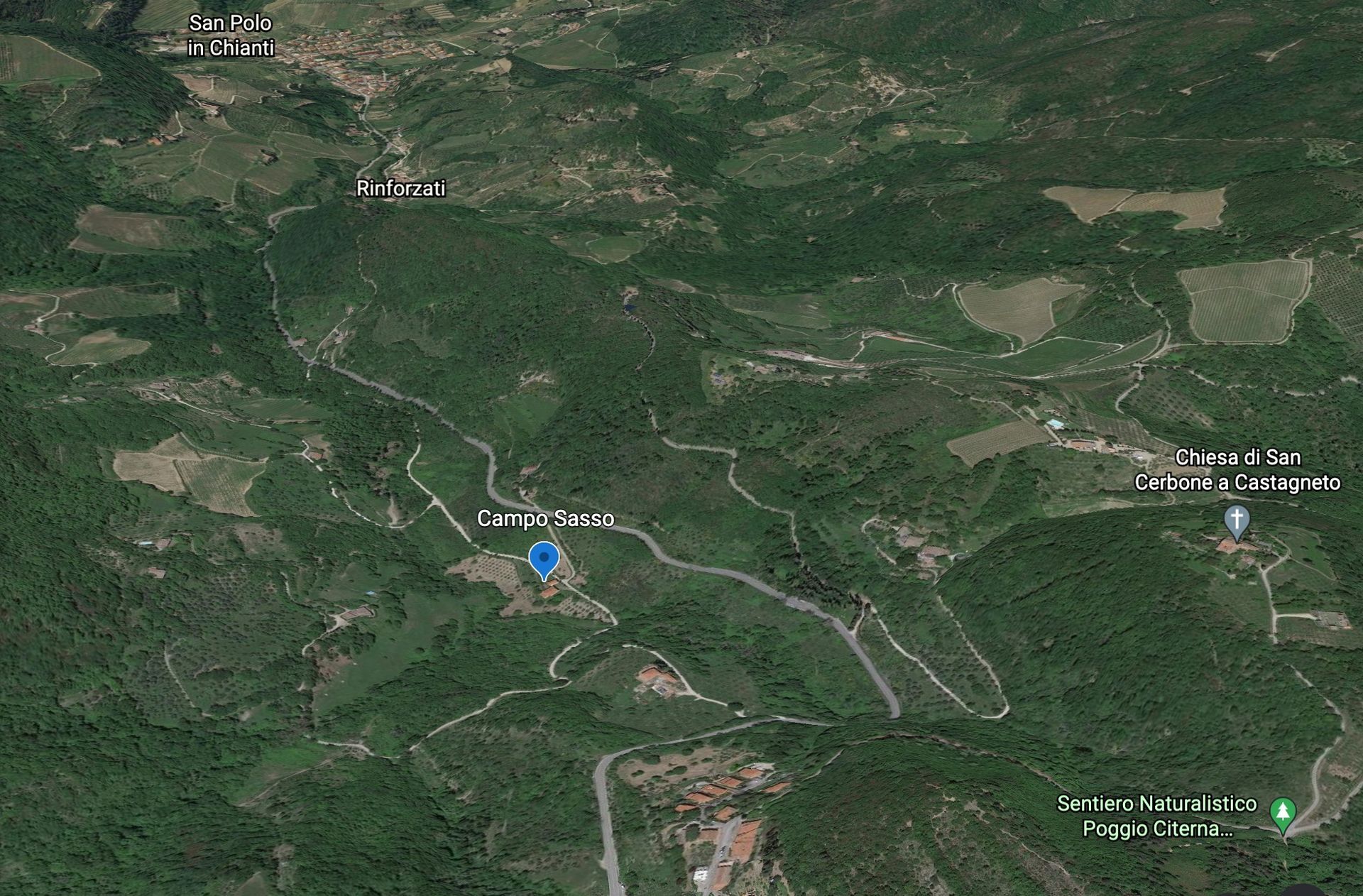
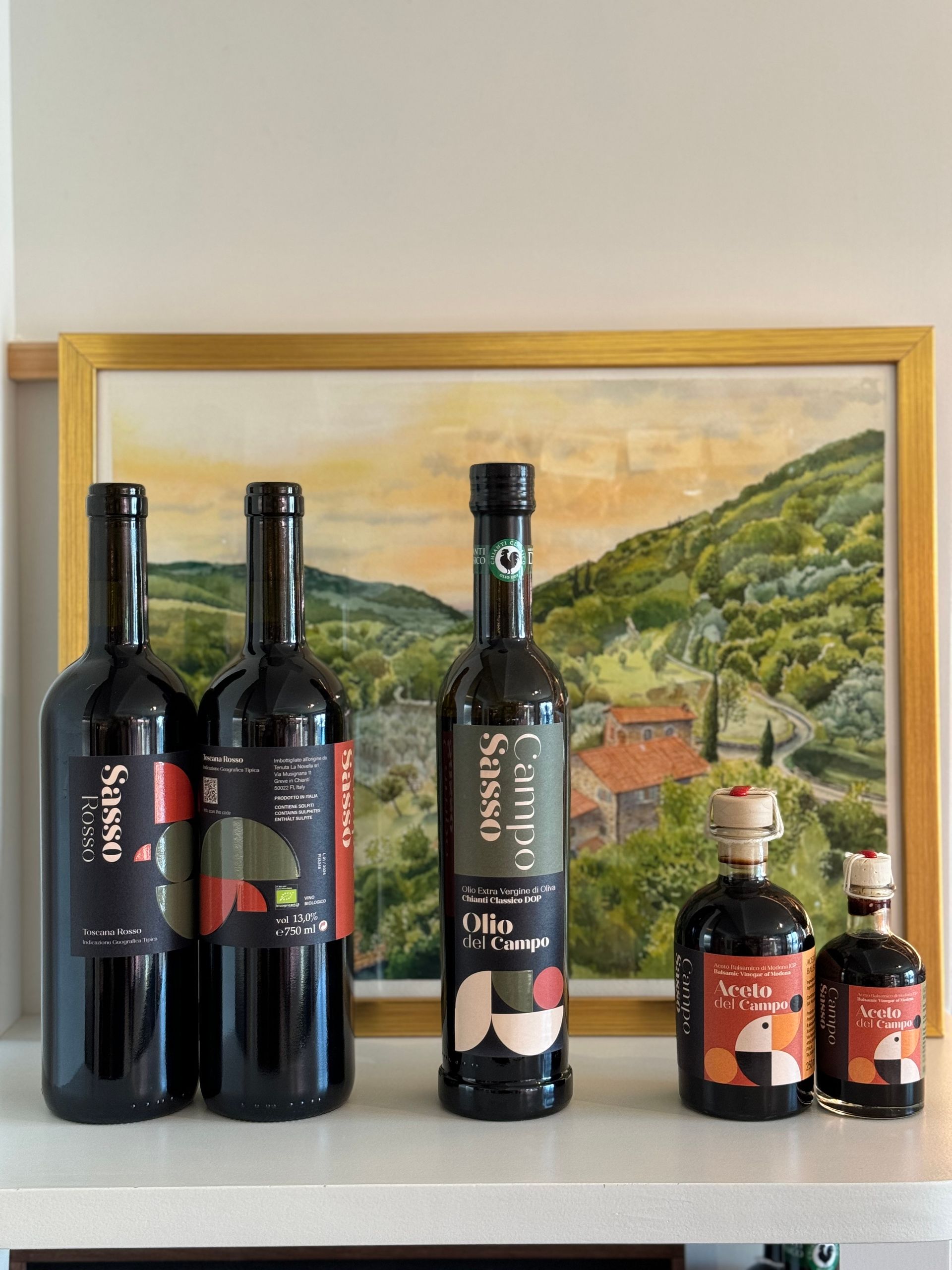
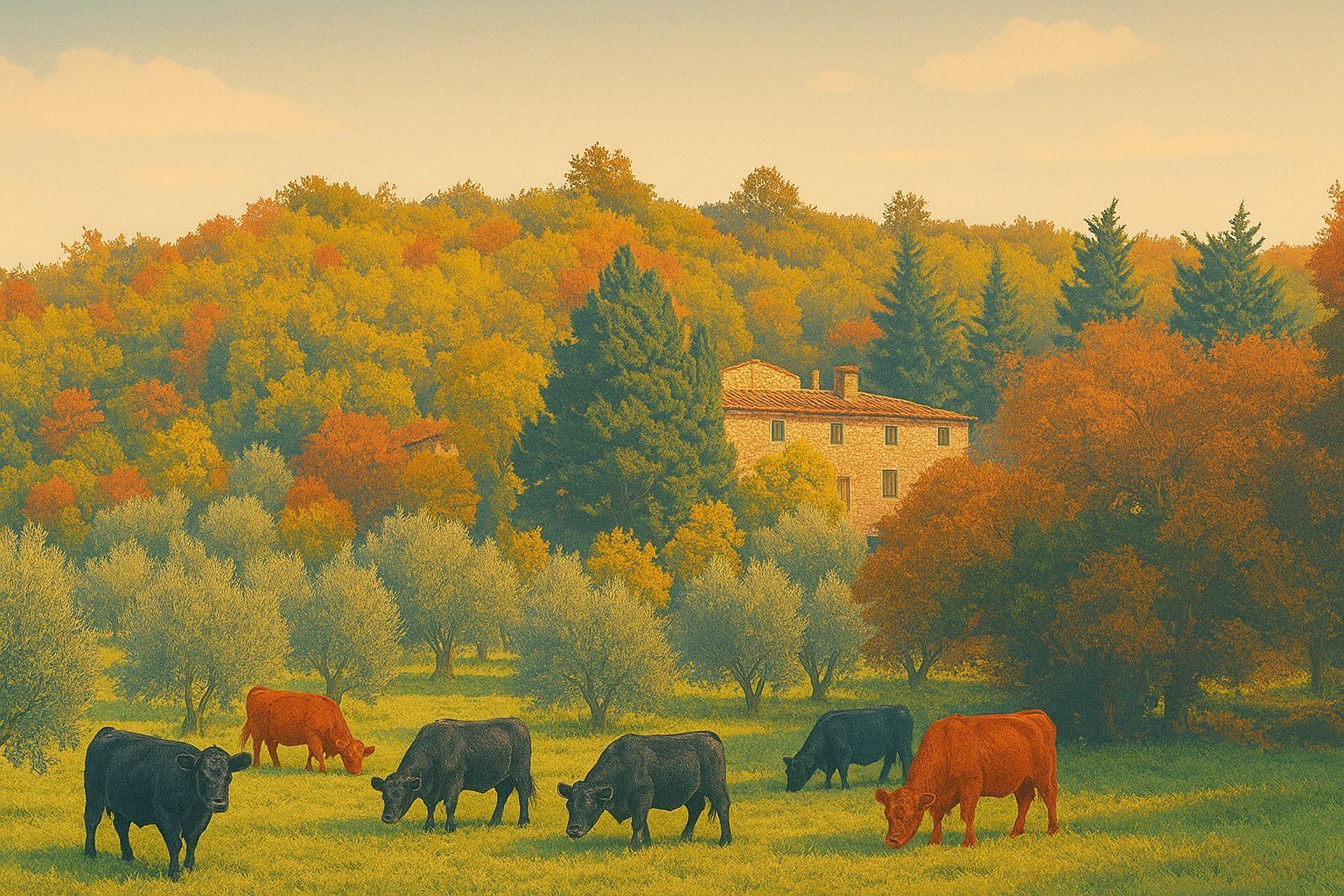
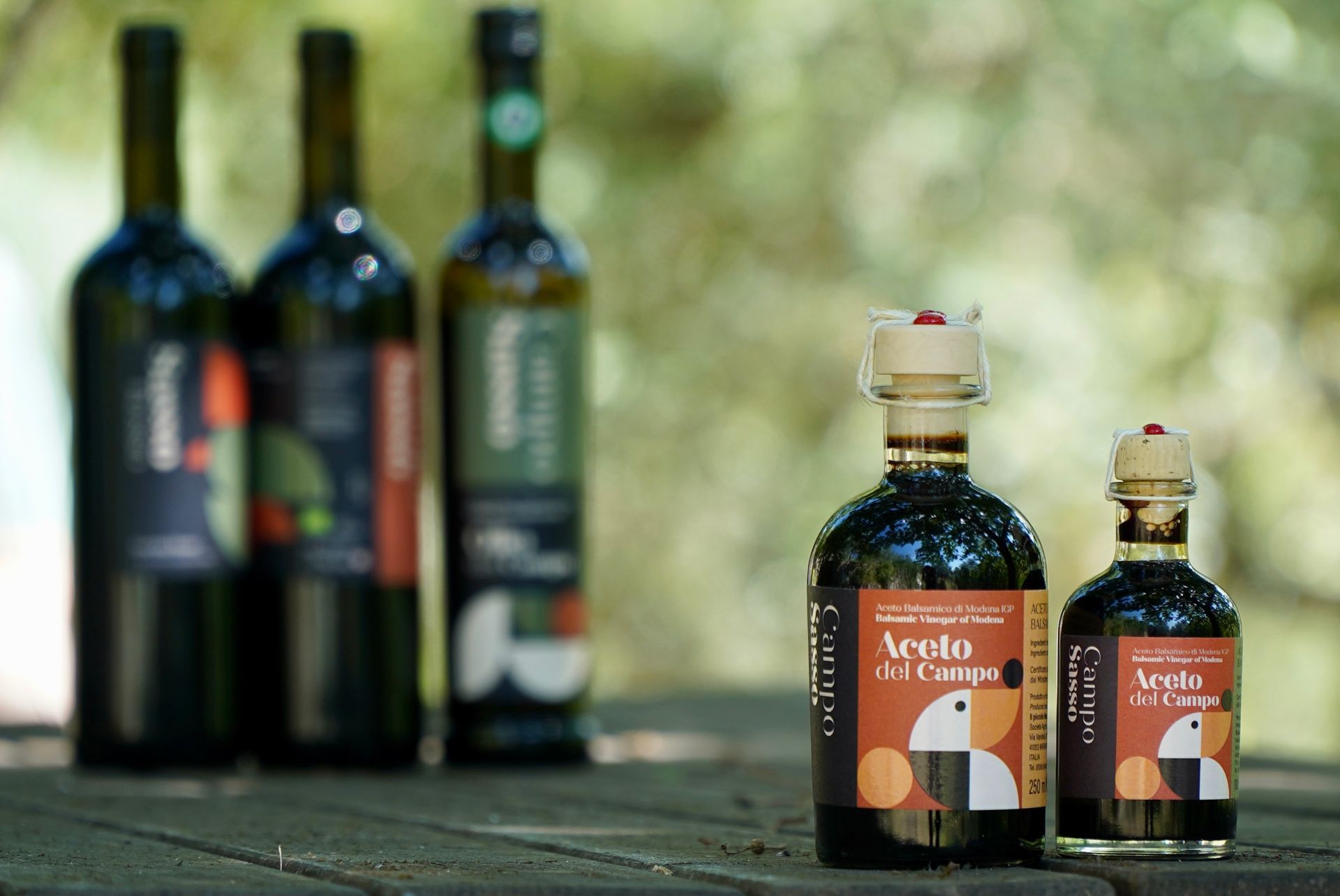
Campo Sasso brings together hospitality, cheese affinage, agroforestry, family heritage and rural restoration in the Chianti Classico landscape.
Together, these activities are not separate businesses placed next to each other. They form a living ecosystem. Each one strengthens the others, and each one contributes to a broader idea: tourism should not only extract value from Tuscany; it should help create, transmit and regenerate value within Tuscany.
Why This Matters for Tuscany
Tuscany does not need more generic tourism. It needs tourism that respects its complexity.
The region’s identity was not built by tourism. It was built by farmers, winegrowers, shepherds, cheesemakers, olive growers, artisans, cooks, families and communities. Tourism has a future in Tuscany only if it helps these actors remain visible, viable and respected.
A regenerative approach can support:
- local producers and family businesses;
- rural landscapes and biodiversity;
- traditional knowledge and craftsmanship;
- better visitor education;
- more balanced relationships between residents, businesses and guests;
- a stronger connection between food, wine, agriculture and hospitality.
This is particularly important at a time when many destinations face overtourism, rising standardization and growing skepticism around sustainability claims. Visitors increasingly want experiences that are authentic, transparent and meaningful. But authenticity cannot be staged. It must be rooted in real commitments.
What B Corp Certification Adds
B Corp certification provides an important framework for accountability. Certified B Corporations are companies verified by B Lab as meeting high standards of social and environmental performance, transparency and accountability.
For Jollie, B Corp certification is not a marketing label. It is a way to measure, structure and continuously improve the impact of the ecosystem.
It reinforces the idea that tourism and hospitality businesses should be responsible not only to their clients, but also to their teams, partners, suppliers, communities and environment. It helps ensure that impact is not reduced to a vague promise, but translated into policies, evidence, measurement and improvement.
In the context of Tuscany, this matters because small choices have real consequences: which wineries are promoted, how guides are trained, how local producers are paid, how cultural heritage is explained, how waste is reduced, how employees are treated, and how visitors are invited to behave.
B Corp certification does not mean perfection. It means commitment, verification and progress.
What Biosphere Committed Adds
Biosphere is specifically connected to sustainable tourism. The Biosphere system helps companies and destinations demonstrate their sustainability commitments according to the 17 United Nations Sustainable Development Goals, through a methodology connected to ESG criteria, indicators and continuous improvement.
For Grape Tours, becoming Biosphere Committed adds a tourism-specific layer to the Jollie impact journey. It connects daily operations with internationally recognized sustainability principles and encourages continuous improvement in areas such as responsible visitor management, local culture, environmental awareness, accessibility, supplier relationships and community impact.
Where B Corp looks at the company as a whole, Biosphere helps frame the tourism experience itself: how visitors are informed, how destinations are respected, how local heritage is interpreted and how tourism activities contribute to a more responsible model.
Together, B Corp and Biosphere Committed create a stronger foundation. One reinforces the overall governance and impact of the business. The other focuses directly on responsible tourism practices.
From Certification to Daily Practice
Certifications are meaningful only if they are translated into daily decisions.
For Jollie, this means designing tourism experiences that favour small groups, direct producer relationships and cultural interpretation rather than volume alone. It means promoting wineries, artisans and food producers who contribute to the diversity of Tuscany. It means helping visitors understand that wine is not isolated from the landscape, and that cheese, olive oil, meat, bread, hospitality and agriculture are part of the same living culture.
It also means recognizing that responsible tourism is a continuous process. Every itinerary, tasting, supplier choice, communication tool and visitor interaction can either reinforce or weaken the connection between people and place.
Toward a Regenerative Tuscany
The future of tourism in Tuscany should not be defined by speed, volume or standardization. It should be defined by depth, responsibility and regeneration.
At Jollie, we believe that Tuscany is not simply a destination to visit. It is a living ecosystem to understand, respect and help regenerate.
Through wine tours, cheese tastings, hospitality, affinage, local food culture and regenerative agriculture, we aim to create experiences that connect visitors with the real Tuscany: its landscapes, its producers, its traditions, its challenges and its future.
Mass tourism consumes places.
Slow tourism takes time to understand them.
Sustainable tourism seeks to protect them.
Regenerative tourism helps them thrive.
This is the path we want to follow for Tuscany.
How to enjoy a Grape wine tour from Florence in Chianti Classico? Follow the links below:
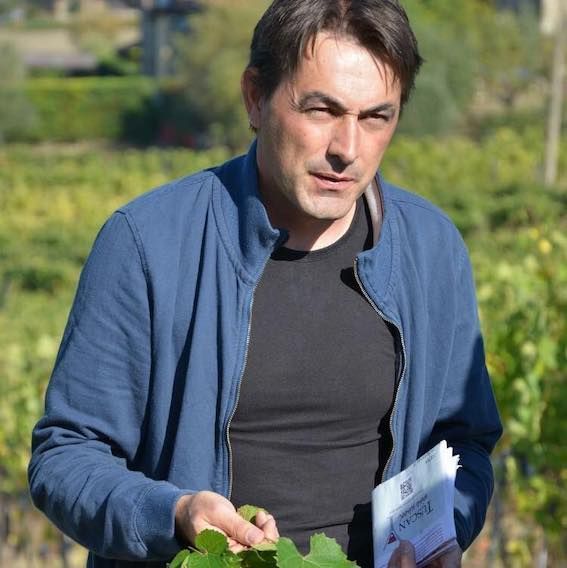
About the author: Pierre Gouttenoire is an agricultural engineer, oenologist and cheese affineur. He co-founded the Jollie ecosystem in Tuscany and oversees its wine, food and regenerative agriculture projects.