From the Land of Cattle to the Land of Wine: Why Tuscany Must Regenerate Its Agricultural Roots
In Brief
Tuscany was never meant to be a vineyard monoculture. Historically, wine was part of a wider agricultural ecosystem made of olive groves, grain fields, livestock, forests, cheese, meat, bread and rural hospitality. Even the name “Italy” may refer to the ancient idea of a “land of young cattle,” reminding us that agriculture and animals are deeply rooted in Italian identity.
Over the last fifty years, the success of wine has encouraged a strong specialisation of the Tuscan countryside. While this has brought quality, recognition and economic value, it has also weakened the historic links between vineyards, food, animals, soil and local gastronomy. Iconic products such as Bistecca alla Fiorentina and truffle reveal how easily gastronomy can become disconnected from transparent local farming, seasonality and real terroir.
A regenerative future for Tuscany means rebuilding these connections. It means reconnecting wine with food, farming with animals, hospitality with education, and tourism with a living rural economy. Through Grape Tours, Formaggioteca Terroir, Campo Sasso and the future Tracolle project, Jollie is working to restore this richer agricultural vision of Tuscany — beyond marketing, beyond monoculture, and beyond wine alone.
Keywords: Tuscany agriculture, regenerative Tuscany, regenerative tourism, Tuscan wine, wine and agriculture, vineyard monoculture, Italian agricultural history, Italy land of cattle, Tuscan gastronomy, Bistecca alla Fiorentina, Tuscan truffle, local food systems, polyculture, livestock in Tuscany, Chianti Classico agriculture, farm-to-table Tuscany, rural hospitality, terroir, food and wine tourism, sustainable wine tourism, regenerative agriculture, Jollie, Grape Tours, Formaggioteca Terroir, Campo Sasso, Tracolle
From the Land of Cattle to the Land of Wine: Why Tuscany Must Regenerate Its Agricultural Roots
Italy was not born as a postcard.
And Tuscany was not born as a vineyard monoculture.
Long before it became one of the world’s most admired wine destinations, Italy was a land of farmers, shepherds, grain fields, olive groves, cattle, forests, gardens, cheese, bread, wine and fire. Its identity was not built around a single crop, but around the balance between different forms of rural life.
Even the name “Italy” reminds us of this deeper agricultural origin. One widely discussed etymological theory links Italia to the ancient Oscan word Víteliú, often interpreted as the “land of young cattle” or “land of calves”. Whether read as linguistic history or symbolic memory, this origin is powerful: before Italy became globally associated with wine, design, fashion or tourism, it was first imagined as a land of animals, fertility and agricultural abundance.
This matters today.
Because in the last fifty years, much of the Tuscan countryside has been reinterpreted through one dominant lens: wine.
Tuscany Was Never Only About Vineyards
Of course, wine has always played a central role in Tuscany. The Etruscans cultivated vines, traded wine, celebrated it and helped shape one of the oldest wine cultures in Europe. Later, Roman, medieval and Renaissance agriculture reinforced the importance of wine as both a daily food and a commercial product.
But historically, the vine was rarely alone.
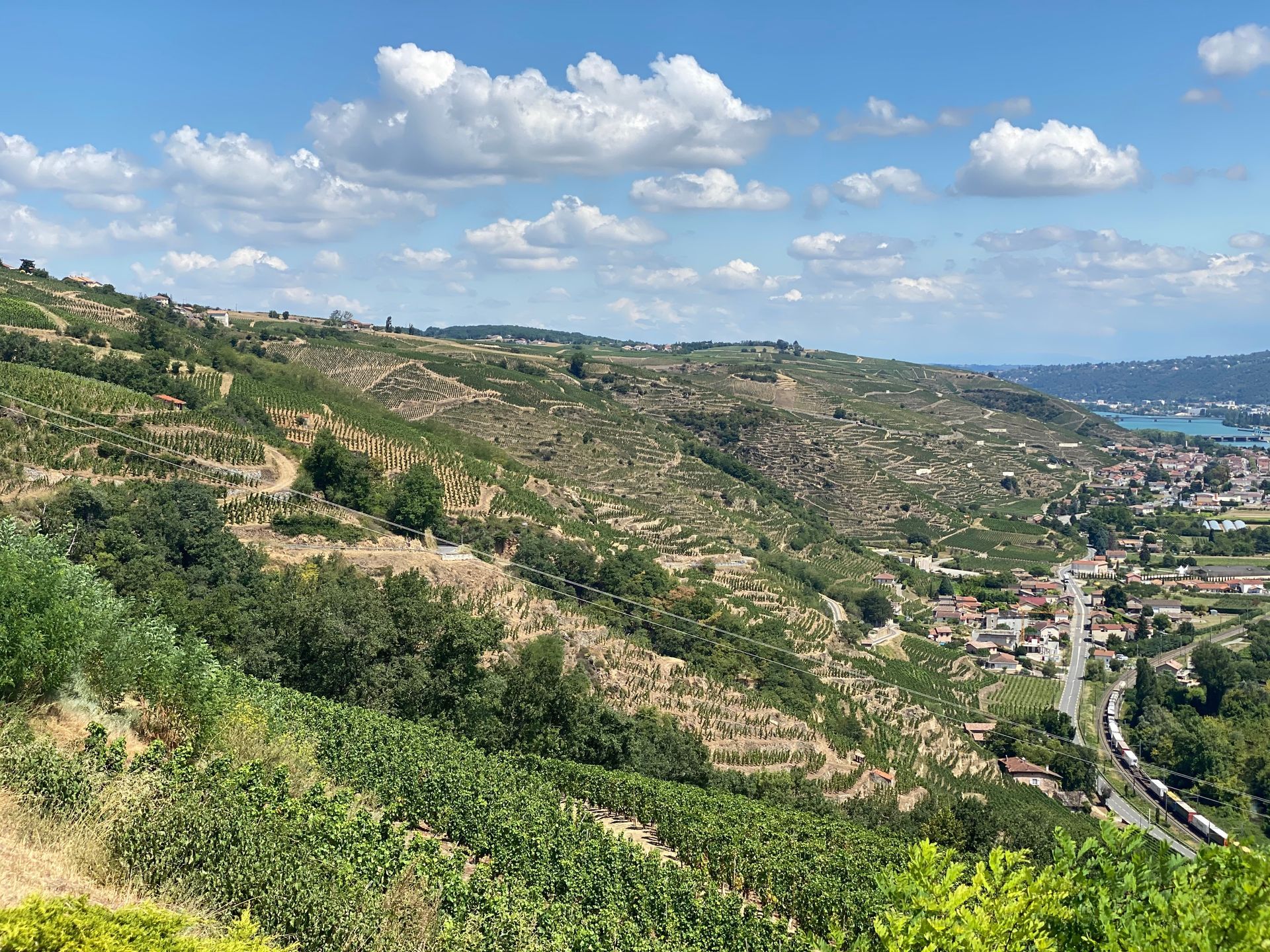
In ancient and traditional Tuscan landscapes, vines were often integrated with other crops. They grew alongside cereals, olive trees, fruit trees, vegetable gardens and livestock. The famous idea of the “married vine” — vines trained on trees — reflects a completely different way of thinking about agriculture: not as isolated production, but as association, interdependence and landscape intelligence.
The Tuscan farm was not a tasting room.
It was a living organism.
There were fields for grain, olive groves for oil, animals for milk, meat, manure and traction, woods for fuel and biodiversity, gardens for family food, and vines for wine. This was not romantic folklore. It was a practical, resilient and deeply local form of agriculture.
For centuries, Tuscan gastronomy emerged from this mixed farming system. Bread, olive oil, beans, pecorino, cured meats, wild herbs, vegetables, wine and beef were not separate “products.” They were expressions of the same rural ecosystem.
The Specialisation of Wine
The modern wine economy changed this balance.
Over the last half-century, international demand, appellation systems, export markets, critics, scores, tourism and land values have pushed many Tuscan estates toward greater vineyard specialisation. This evolution brought undeniable benefits: better wines, stronger brands, international recognition, investment in quality, and the preservation of many rural estates that might otherwise have disappeared.
But it also created a risk.
When wine becomes the only economic language of the countryside, the land loses part of its complexity. Vineyards expand where mixed farming once existed. Cellars become stages. Tasting rooms become scripts. The agricultural story becomes narrower, cleaner, more marketable — but often less true.
A vineyard can be beautiful and still be ecologically poor.
A winery can be successful and still be disconnected from the agricultural culture that gave birth to it.
A wine tour can be enjoyable and still reduce Tuscany to three glasses, a cellar visit and a view.
The problem is not wine.
The problem is wine without agriculture.
When Gastronomy Becomes Disconnected from Farming
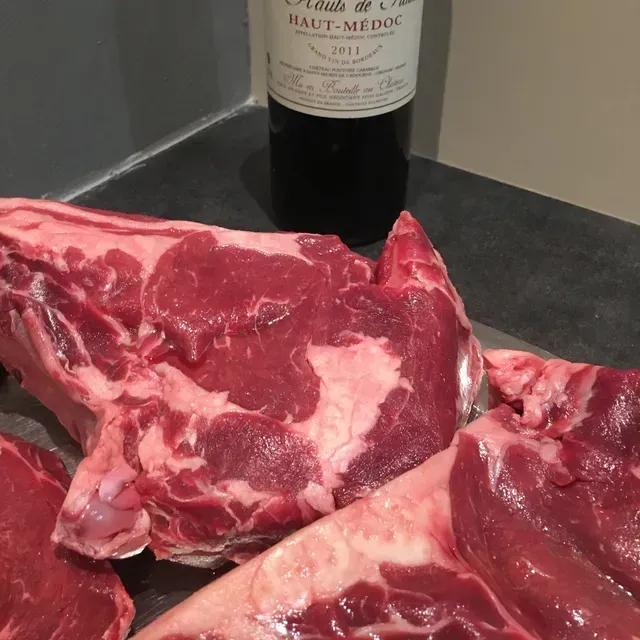
The same question applies to one of Tuscany’s most famous gastronomic symbols: the Bistecca alla Fiorentina.
This iconic dish remains a powerful expression of Tuscan conviviality: a thick T-bone steak, grilled over fire, shared at the table, and often associated with great local cattle traditions. It should naturally lead to a broader conversation about breeds, pastures, animal husbandry, butchery, seasonality and the agricultural identity of Tuscany.
Yet in many cases today, the origin of the meat served is not clearly displayed or precisely explained. The word “Fiorentina” may refer to the style of the cut and preparation, but not necessarily to a transparent local farming chain. For visitors, the experience can feel deeply Tuscan, while the real agricultural connection behind the dish remains uncertain.
This is not about denying the value of the dish or blaming restaurants. It is about asking a more demanding question: where are the animals behind Tuscany’s most iconic meat culture?
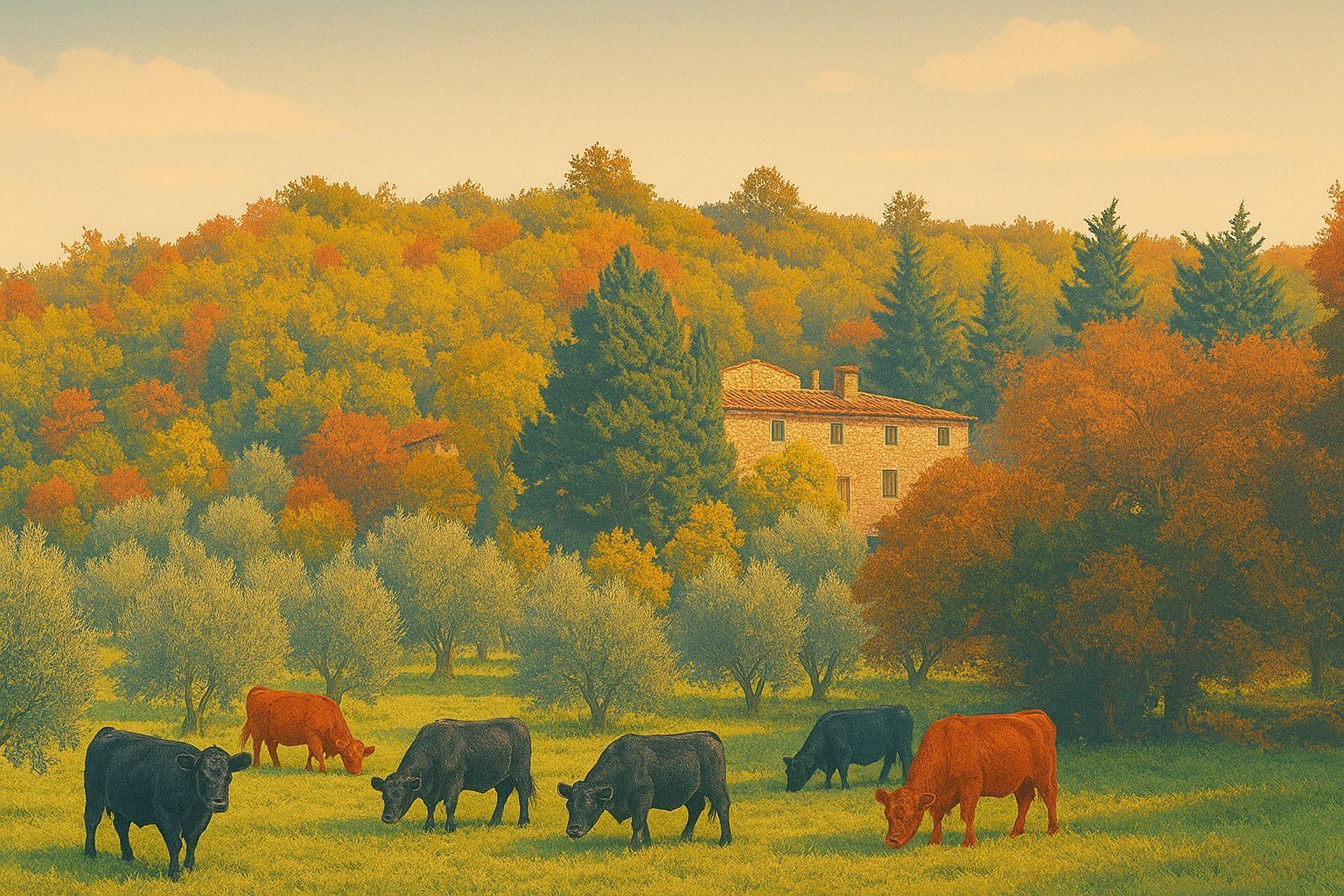
In many historic wine regions, including Chianti Classico, cattle have almost disappeared from the landscape. Vineyards, olive groves and hospitality have become highly visible, while livestock farming has become rare. The Maremma remains one of the few Tuscan territories still strongly associated with cattle, wide pastures and herding culture, although even there, modern beef production often includes breeds and genetic lines introduced from outside Italy, including French origins.
This raises an important challenge for the future of Tuscan gastronomy. If Tuscany wants to reconnect food with farming, it cannot only preserve the image of traditional dishes. It also needs to rebuild local livestock systems adapted to today’s climatic, environmental and economic constraints: animals suited to heat, dry summers, marginal land, low-input farming and landscape maintenance.
A truly regenerative vision of Tuscany should therefore bring animals back into the agricultural conversation — not as folklore, but as part of soil fertility, biodiversity, rural economy and food truth. The future of dishes such as Bistecca alla Fiorentina should not only depend on how they are cooked or served, but on whether they can once again be connected to transparent, local and resilient farming systems.
When Truffle Becomes an Illusion
The same phenomenon affects one of Tuscany’s most fascinating — and most misunderstood — gastronomic symbols: truffle.
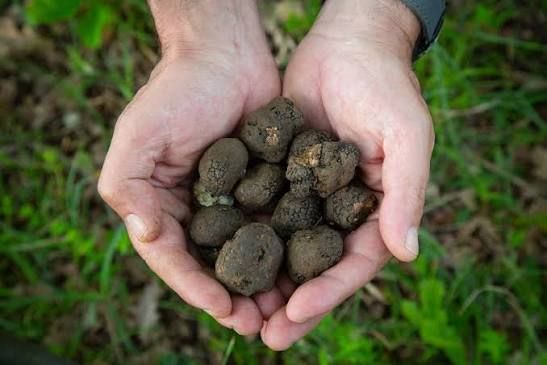
In Tuscany, truffle is not a single product. It is a seasonal, territorial and cultural world of its own. There is the spring truffle, often associated with the month of May; the summer truffle, more accessible and widely used; and then the truly noble truffles, such as the precious white truffle and the finest black truffles, which belong to specific soils, seasons, microclimates and traditions of harvesting.
Yet in much of contemporary tourism and restaurant culture, this complexity disappears.
“Truffle” has become a generic flavour. It appears on pasta, eggs, cheese, sauces, oils, creams and snacks, often with little explanation of what truffle is actually being used, where it was found, who harvested it, and whether the flavour comes from the truffle itself or from added aromas.
Too often, dishes and preparations are based on common truffles covered with so-called natural aromas — or worse, artificial flavourings — creating an illusion of luxury rather than a true expression of terroir.
This is not simply a question of taste. It is a question of truth.
Real truffle culture is linked to forests, trained dogs, patient harvesters, seasonal knowledge, soil preservation and the fragile balance between wild ecosystems and local gastronomy. When truffle is reduced to a perfumed marketing effect, Tuscany loses another part of its agricultural and natural intelligence. What should be a lesson in seasonality, rarity and landscape becomes another theatrical performance of authenticity.
More info about truffles and aromas
Regeneration Means Reconnecting What Was Separated
This is why regenerative agriculture and regenerative tourism must go beyond marketing vocabulary.
Regeneration is not a slogan to place next to a vineyard photo.
It is not a fashionable alternative to “sustainable.”
It is not a decorative word for luxury hospitality.
In Tuscany, regeneration means rebuilding the links that modern specialisation has weakened.
It means reconnecting vineyards with olive groves.
Wine with food.
Food with farming.
Farming with animals.
Animals with soil fertility.
Soil with biodiversity.
Biodiversity with landscape.
Landscape with local culture.
Local culture with meaningful hospitality.
The future of Tuscan wine should not be less agricultural. It should be more agricultural. More rooted. More diversified. More honest. More alive.
A truly regenerative Tuscan estate should not only ask: “What wine can we produce?”
It should also ask:
- What food can this land produce?
- What animals belong here?
- What trees should return?
- What soils need rebuilding?
- What traditions deserve to evolve?
- What can visitors learn beyond tasting?
- What kind of rural economy are we helping to create?
Beyond the Marketing of Authenticity
The word “authenticity” has been overused in tourism. Everyone claims to offer it. Every vineyard view becomes authentic. Every rustic table becomes authentic. Every old stone wall becomes authentic.
But authenticity is not a style.
It is a chain of responsibility.
It requires production, not only storytelling.
It requires farmers, not only hosts.
It requires knowledge, not only atmosphere.
It requires risk, investment and daily work.
A regenerative vision of Tuscany must therefore be demanding. It must question the easy version of rural beauty. It must ask whether the landscapes we admire are still productive, whether the food we celebrate is still local, whether the wine we taste is still part of a larger agricultural culture, and whether tourism is helping to keep that culture alive.
Because without farms, Tuscany becomes scenery.
Without animals, fields and food production, wine loses part of its original meaning.
Without agricultural diversity, the countryside becomes fragile.
Without truth, hospitality becomes performance.
Returning to a Richer Tuscany
The goal is not to recreate the past exactly as it was. Traditional agriculture was hard, often poor, and not always environmentally ideal. Regeneration is not nostalgia.
The goal is to take the intelligence of the past — diversity, complementarity, local food systems, animal integration, landscape care, seasonal rhythm — and reinterpret it for the twenty-first century.
This is the real challenge.
To make wine tourism more educational.
To make gastronomy more connected to farming.
To make hospitality more useful to rural communities.
To make agriculture more diverse and resilient.
To make Tuscany not only beautiful to visit, but meaningful to preserve.
I
taly may have become famous as a land of wine.
But its name, its history and its rural memory remind us of something deeper.
It was also the land of cattle, grain, olives, forests, shepherds, farmers and food.
Tuscany was never meant to be a monoculture.
And its future should not be one either.
The regeneration of Tuscany begins when we stop treating the countryside as a stage — and start rebuilding it as a living agricultural ecosystem.
Jollie’s Role in This Regenerative Moment
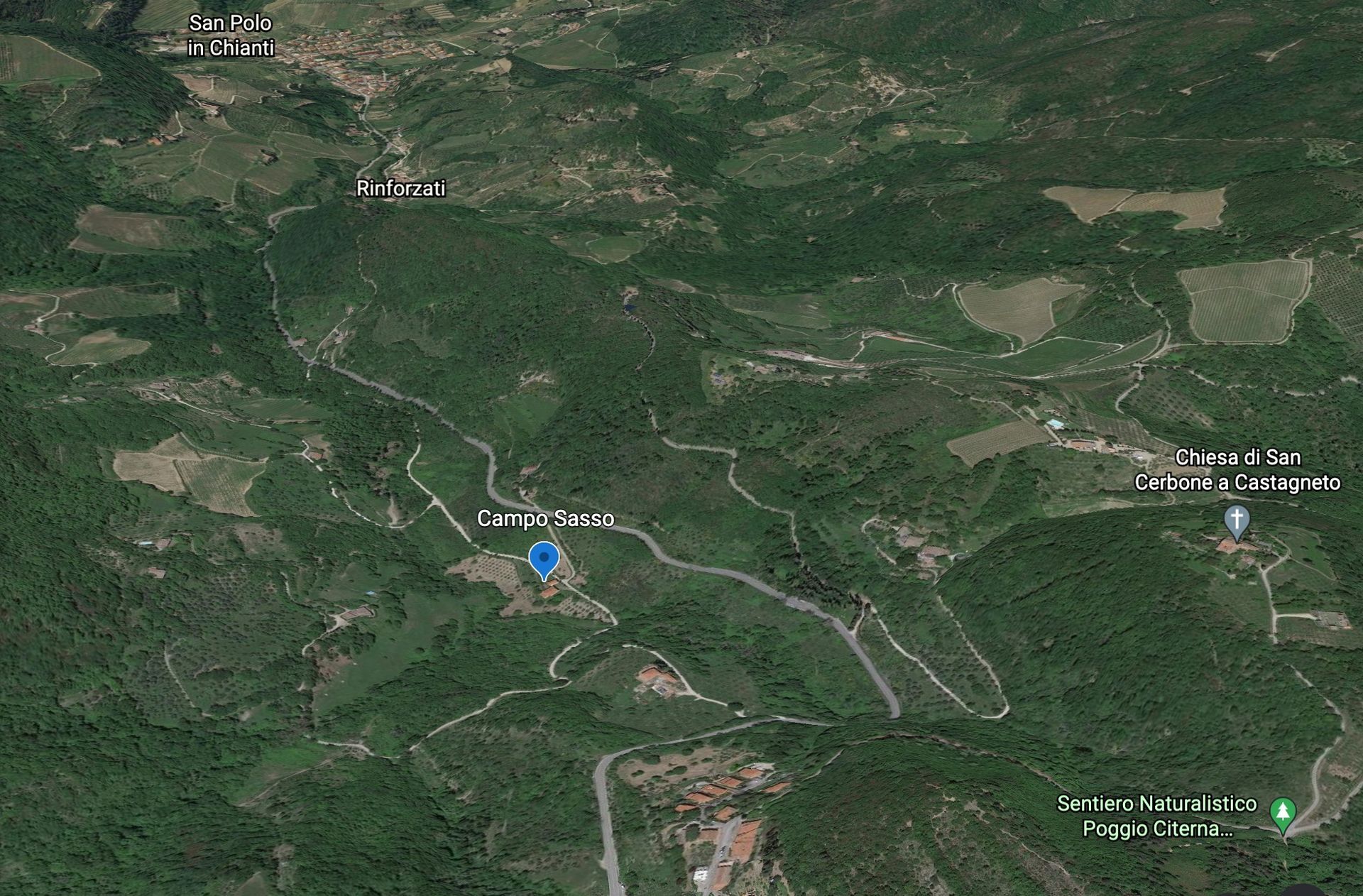
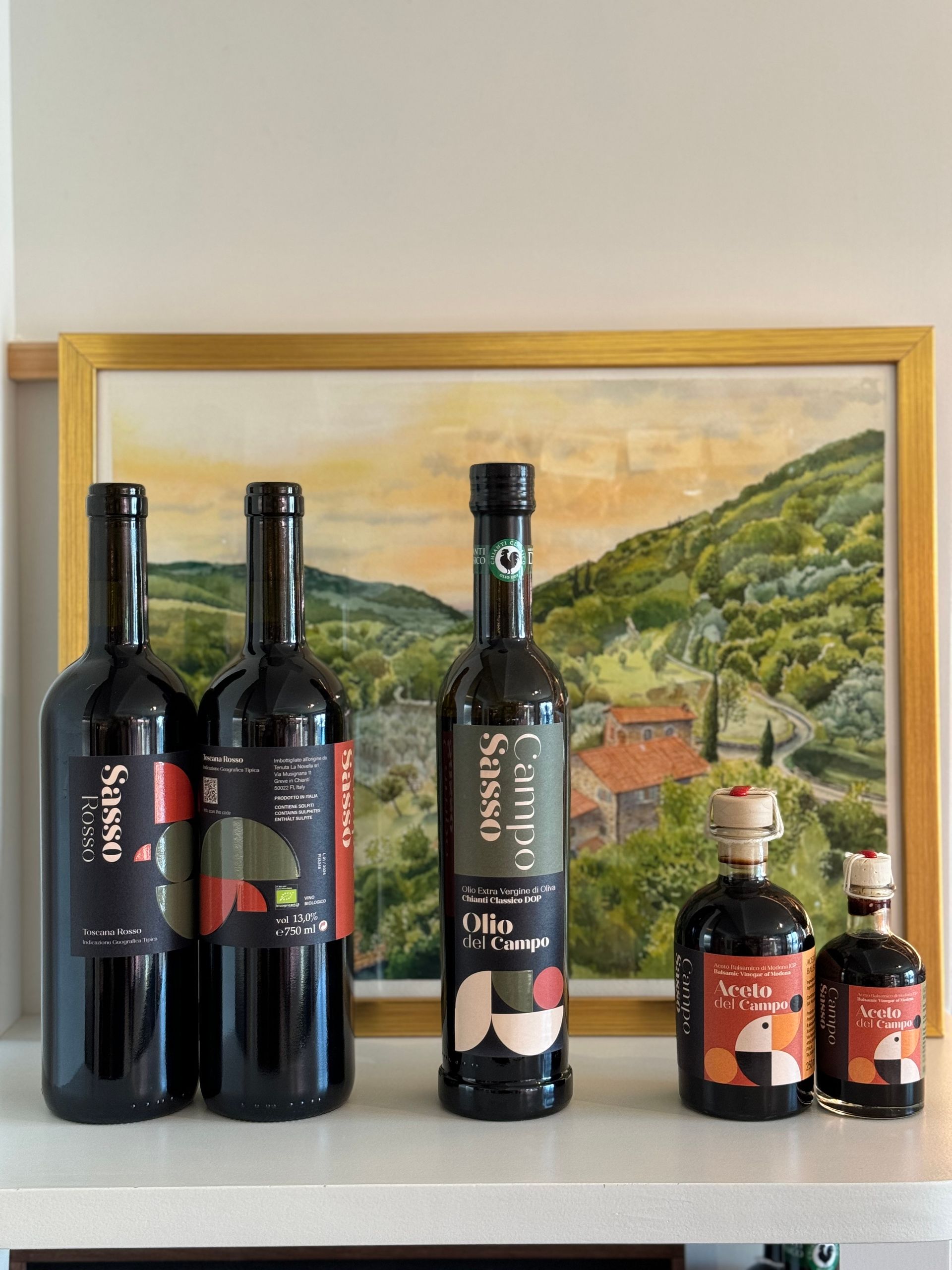
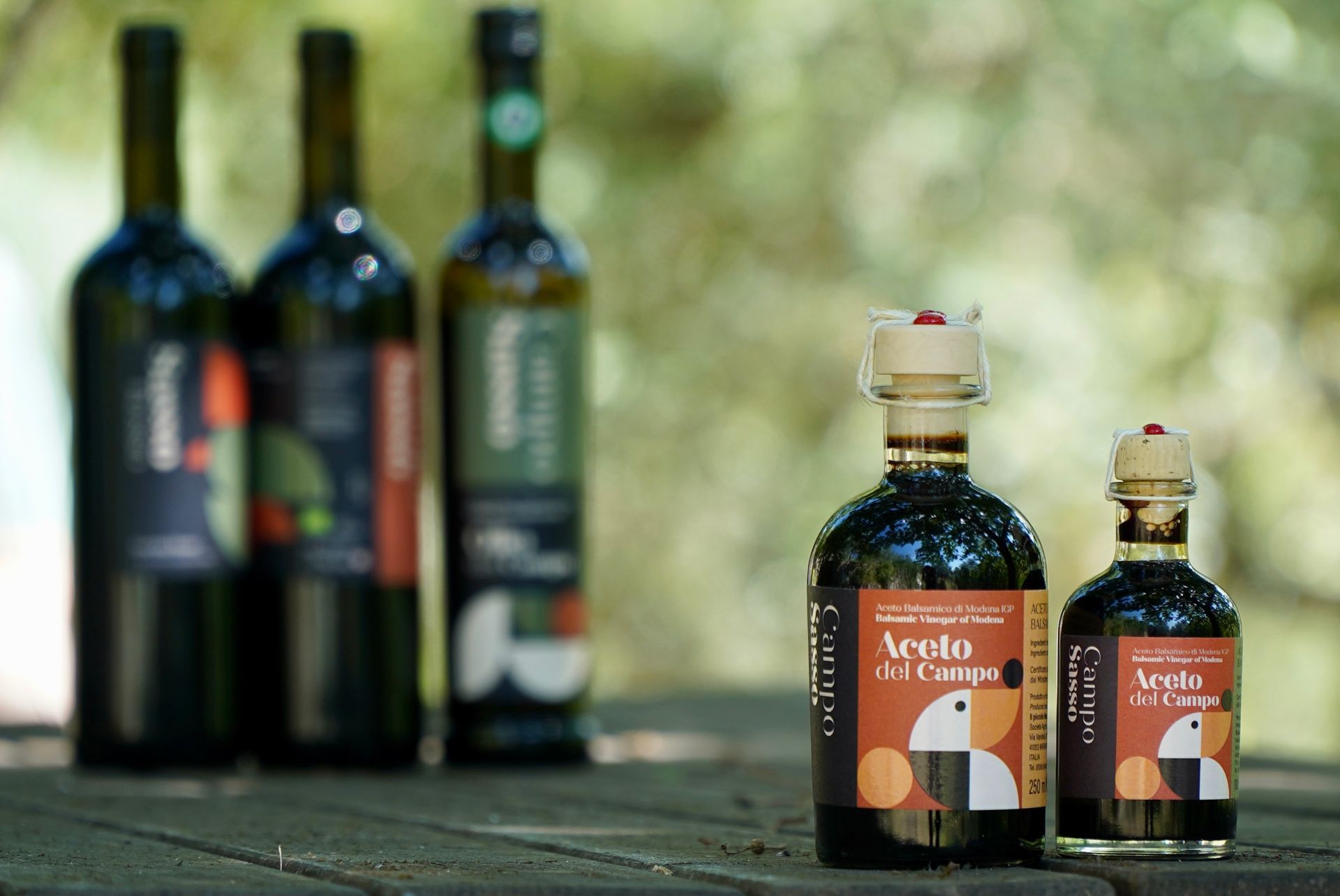
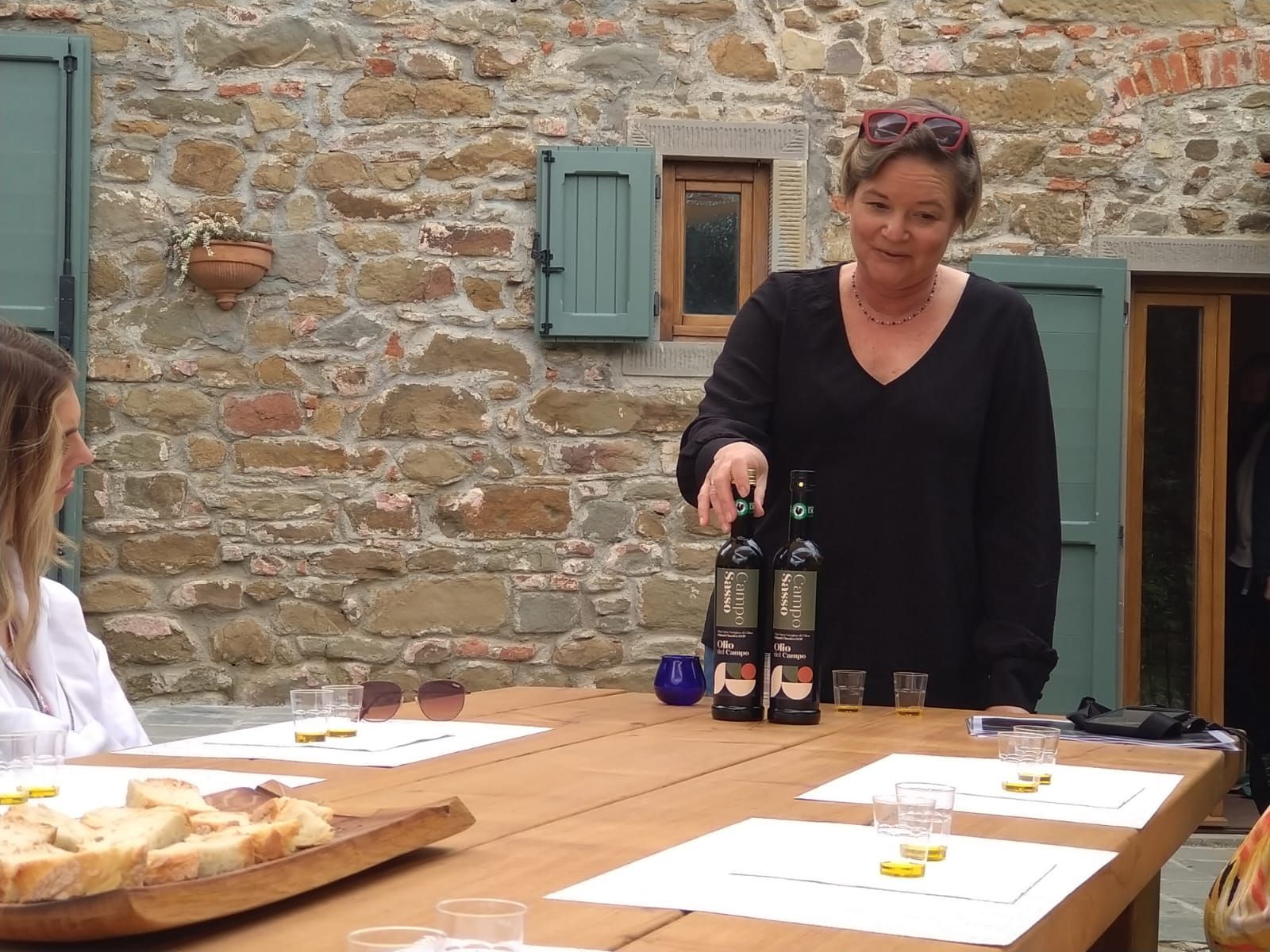
At Jollie, this vision is not an abstract statement. It is already taking shape through concrete projects across our ecosystem: Grape Tours reconnects visitors with independent wineries, local producers and deeper agricultural interpretation; Formaggioteca Terroir brings artisanal cheese, wine and food culture back to the centre of the conversation; Campo Sasso restores the link between hospitality, olive groves, vineyards, cheese affinage and rural life; and the future Tracolle project aims to go even further by rebuilding a genuine farm-to-table model rooted in polyculture, livestock, olive oil, wine, education and regenerative agriculture.
For us, regeneration is not about inventing a new marketing language for Tuscany. It is about repairing connections that should never have been broken — between soil, animals, food, wine, people and hospitality.
Learn more about Regenerative Tuscany:
About the author: Pierre Gouttenoire is an agricultural engineer, oenologist and cheese affineur. He co-founded the Jollie ecosystem in Tuscany and oversees its wine, food and regenerative agriculture projects.