Greenwashing Is Coming to an End: What the New European Rules Mean for Wine Tourism?
When Sustainability Becomes a Marketing Slogan
Over the past decade, words such as sustainable, eco-friendly, green, natural, responsible and regenerative have become increasingly common throughout the wine, food and tourism industries.
Wineries promote "green wines."
Travel companies advertise "sustainable wine tours."
Hotels describe themselves as "eco-friendly."
Restaurants claim to be "farm-to-table."
These expressions resonate with travellers who genuinely want to make more responsible choices and support businesses that care for people and the planet.
The challenge is that many of these claims are difficult—or even impossible—for consumers to verify.
This practice is commonly known as greenwashing.
Greenwashing occurs when a company presents itself as environmentally or socially responsible without providing sufficient, objective evidence to support those claims. Sometimes this is intentional. More often, it results from vague marketing language that highlights a few positive initiatives while overlooking the company's overall impact.
As sustainability becomes a decisive purchasing criterion, consumers increasingly expect transparency rather than promises.
That is precisely why Europe is changing the rules
What Is Greenwashing?
Greenwashing is not necessarily about making false statements.
More often, it involves presenting selective, exaggerated or incomplete information that creates a misleading impression of environmental performance.
Typical examples include:
- describing products as eco-friendly without measurable evidence;
- using expressions such as green or sustainable without explaining what they mean;
- highlighting recycled packaging while ignoring a carbon-intensive supply chain;
- promoting one environmental initiative while remaining silent about wider business practices;
- using imagery of forests, vineyards or wildlife to suggest sustainability without independent verification.
Consumers are increasingly asking a simple question:
Can you prove it?
Greenwashing in the Wine Industry
Wine has always been closely associated with landscapes, biodiversity, craftsmanship and tradition.
That natural image makes the sector particularly vulnerable to greenwashing.
Many wineries use expressions such as:
- Sustainable winery
- Natural wine
- Eco wine
- Green wine
- Environmentally friendly production
Some producers genuinely invest in regenerative agriculture, biodiversity restoration, renewable energy, soil health and responsible water management.
Others may simply reduce pesticide use, install solar panels or print labels on recycled paper while presenting themselves as fully sustainable.
These initiatives are certainly positive.
However, they do not automatically make an entire winery sustainable.
Fortunately, the wine industry has developed several recognised certification systems that help consumers better understand specific aspects of a winery's practices.
Organic Wine
The European Organic certification guarantees that grapes are grown according to strict rules prohibiting synthetic herbicides, pesticides and fertilizers while regulating winemaking practices.
It is an agricultural certification rather than a complete sustainability assessment of the business.
Biodynamic Wine (Demeter)
Demeter International certification builds upon organic farming by applying the principles of biodynamic agriculture.
The vineyard is considered a living ecosystem where soil health, biodiversity and ecological balance are central objectives.
Beyond organic requirements, biodynamic viticulture follows specific farming methods inspired by the work of Rudolf Steiner and encourages long-term ecosystem resilience.
Whether or not one shares all of its philosophical foundations, Demeter remains one of the world's most demanding agricultural certifications.
High Environmental Value (HVE)
The French High Environmental Value (HVE) certification evaluates farms through measurable environmental indicators rather than prohibiting specific agricultural products.
It focuses on four key areas:
- biodiversity conservation;
- plant protection strategy;
- fertiliser management;
- water resource management.
Unlike Organic certification, HVE does not prohibit the use of synthetic products. Instead, it measures the environmental performance of the farm through objective indicators and encourages continuous improvement.
An HVE-certified winery is therefore not necessarily organic, just as an organic winery is not automatically HVE-certified.
Different Certifications for Different Objectives
These certifications provide valuable information, but they do not measure the same things.
What it primarily evaluates
Organic: Agricultural production methods
Demeter Biodynamic: ecosystem management
HVE: Environmental performance indicators
None of these certifications, however, evaluates the complete social, economic and governance performance of a wine business.
Questions such as:
- How are employees treated?
- Does the winery support local communities?
- How transparent is its governance?
- How resilient is its supply chain?
- How does it measure its overall environmental footprint?
remain largely outside the scope of these agricultural certifications.
Greenwashing in Wine Tourism
Wine tourism faces exactly the same challenge.
Many operators advertise:
- Sustainable wine tours
- Eco experiences
- Responsible travel
- Authentic local experiences
But what do these expressions actually mean?
Does sustainability refer to:
- transportation?
- partner wineries?
- local sourcing?
- employment practices?
- accessibility?
- waste reduction?
- governance?
- contribution to local communities?
A single visit to an organic winery does not automatically make an entire tour sustainable.
Likewise, serving local food or offering electric transportation does not guarantee responsible tourism.
A genuinely responsible tourism experience should be evaluated across the entire visitor journey.
Europe Is Raising the Standard
Recognising the growing problem of misleading environmental marketing, the European Union has introduced new legislation designed to strengthen consumer protection.
Beginning 27 September 2026, the Empowering Consumers for the Green Transition Directive will apply across Member States.
The directive aims to prevent businesses from using broad environmental claims unless they can be properly substantiated.
Generic expressions such as:
- environmentally friendly;
- eco-friendly;
- green;
- sustainable;
- climate neutral;
- environmentally conscious;
will no longer be freely used unless businesses can demonstrate the basis for those claims with recognised evidence.
At the same time, the proposed Green Claims Directive would go even further by requiring many environmental claims to be scientifically substantiated and independently verified before they are communicated.
Together, these initiatives represent a major shift in how sustainability will be communicated across Europe.
The future belongs to evidence rather than slogans.
From Marketing Claims to Demonstrable Commitments
Consumers increasingly want to understand how businesses operate—not simply what they claim.
Responsible companies will therefore need to demonstrate:
- measurable environmental performance;
- transparent governance;
- responsible employment practices;
- contribution to local communities;
- continuous improvement;
- independent verification.
For businesses that have genuinely invested in sustainability, these new rules should not be seen as a constraint.
They are an opportunity to distinguish authentic commitments from marketing language.
Why Independent Certifications Matter?
Independent certifications do not make a company perfect.
They do, however, provide a recognised framework that allows customers to distinguish verified commitments from unsubstantiated claims.
Rather than asking consumers to trust what a company says, certification requires organisations to provide evidence that can be independently assessed.
Each certification contributes valuable information.
However, they do not all evaluate the same dimensions.
Some focus primarily on agriculture.
Others evaluate tourism management.
Only a few assess the organisation as a whole.
Why B Corp Goes Beyond Environmental Performance
At Jollie, we chose to pursue B Corp Certification because we believe sustainability extends far beyond environmental performance alone.
B Corp evaluates organisations across five internationally recognised pillars:
- Governance
- Workers
- Community
- Environment
- Customers
Unlike sector-specific certifications, B Corp assesses how an entire company creates value for all of its stakeholders.
It examines governance, employee wellbeing, ethical business practices, environmental management, customer responsibility and long-term resilience.
Certification is not awarded on the basis of marketing claims.
It requires documented evidence, independent verification and a commitment to continuous improvement.
For us, this reflects the way we have always envisioned our work.
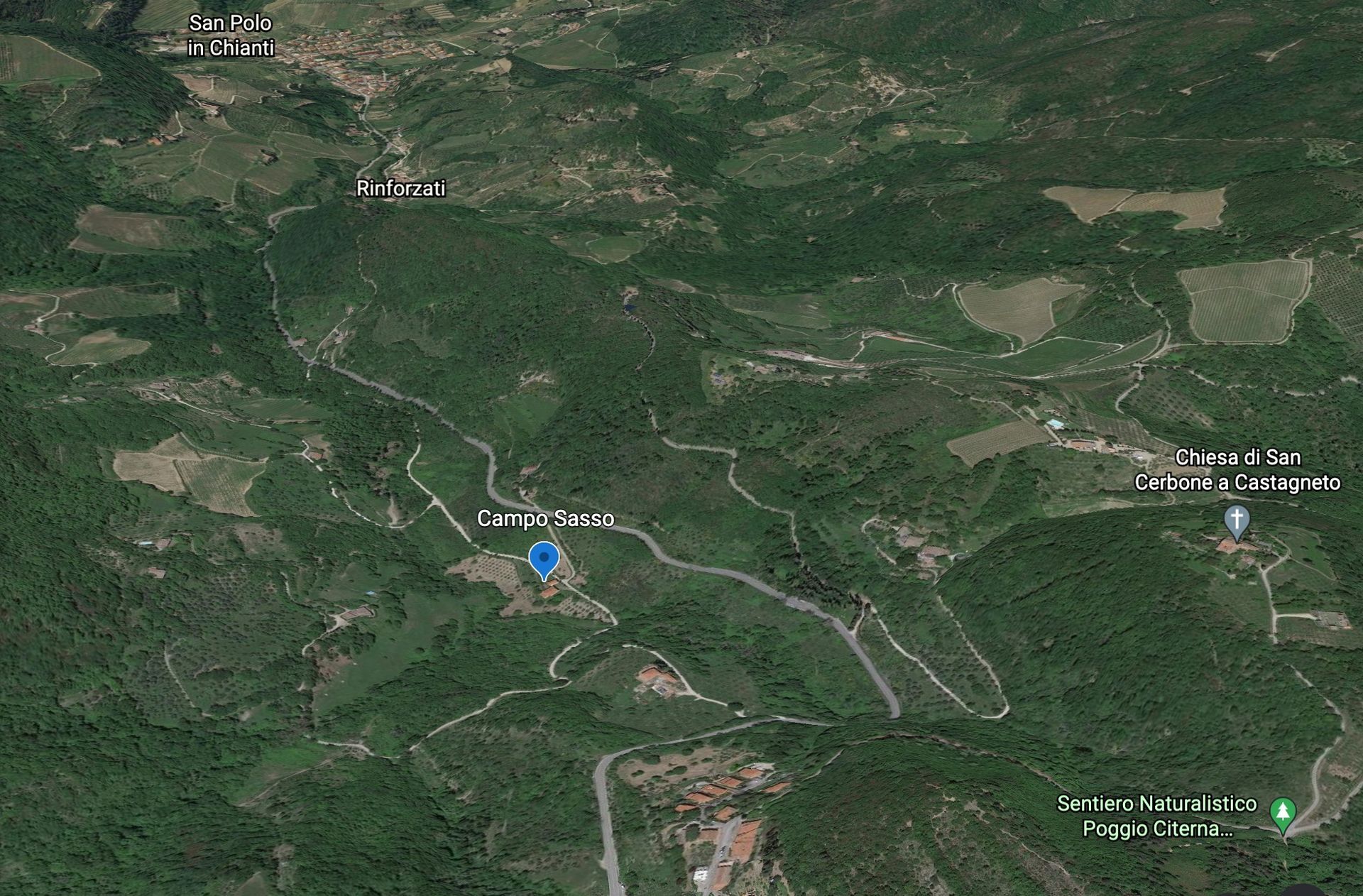
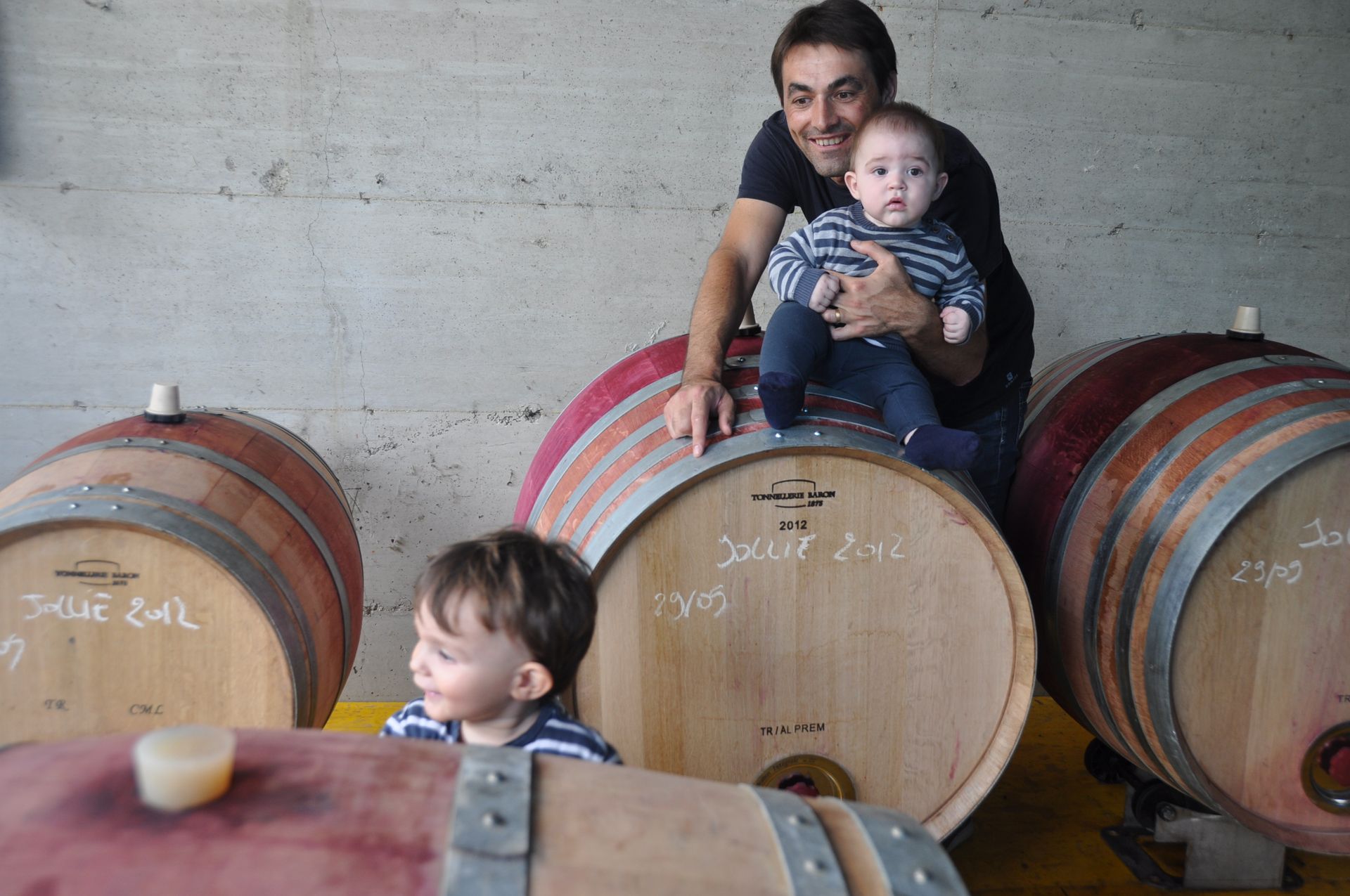
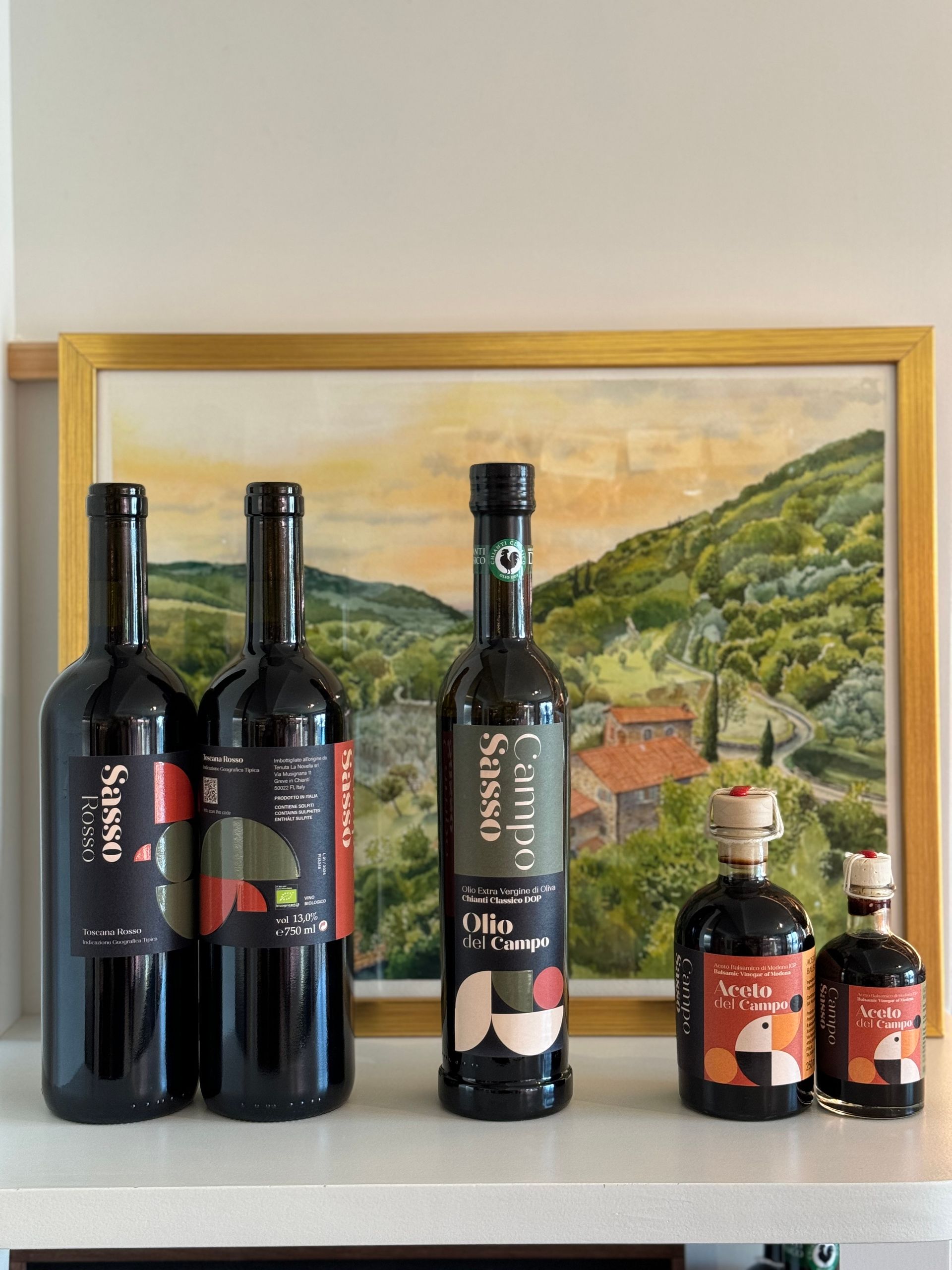
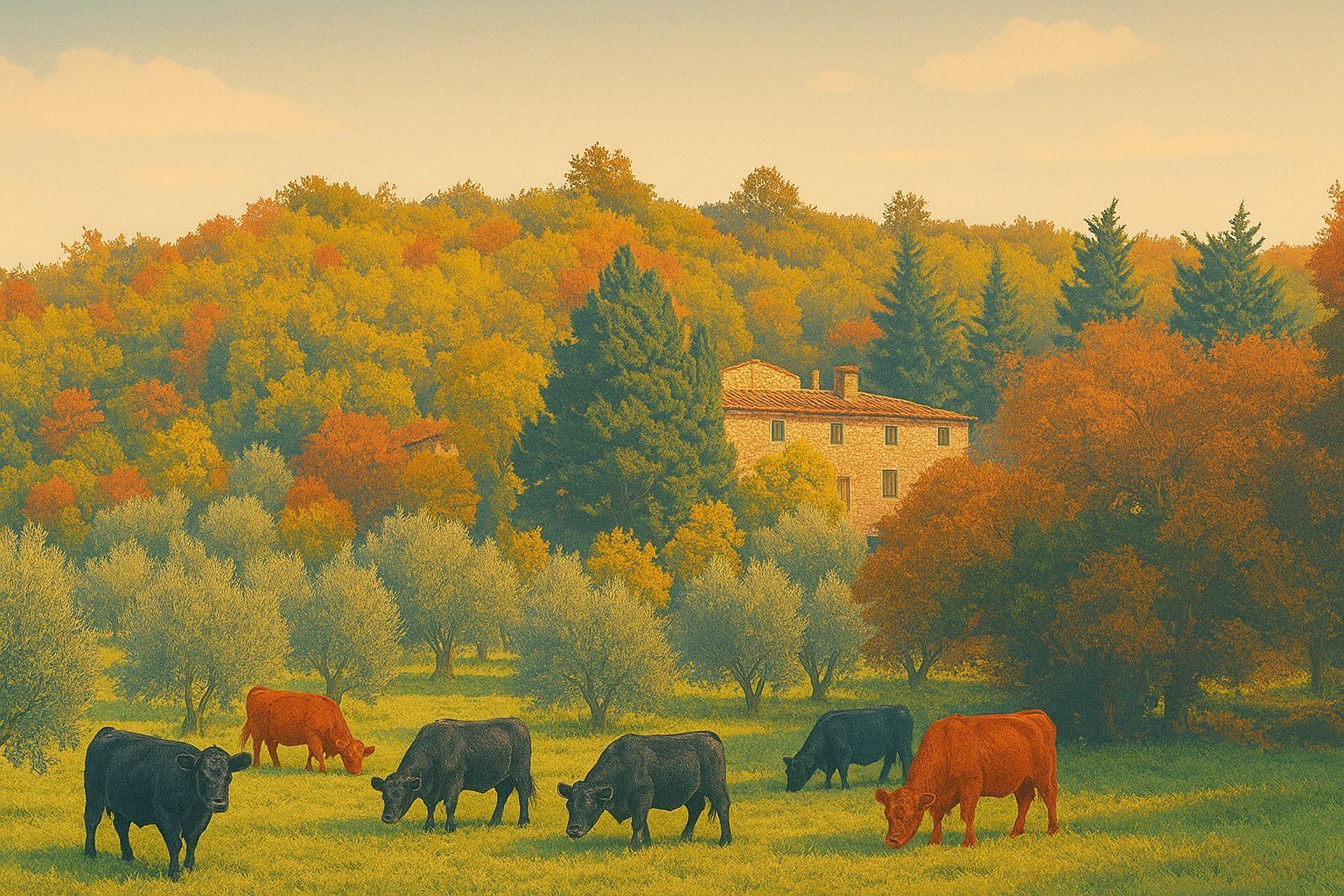
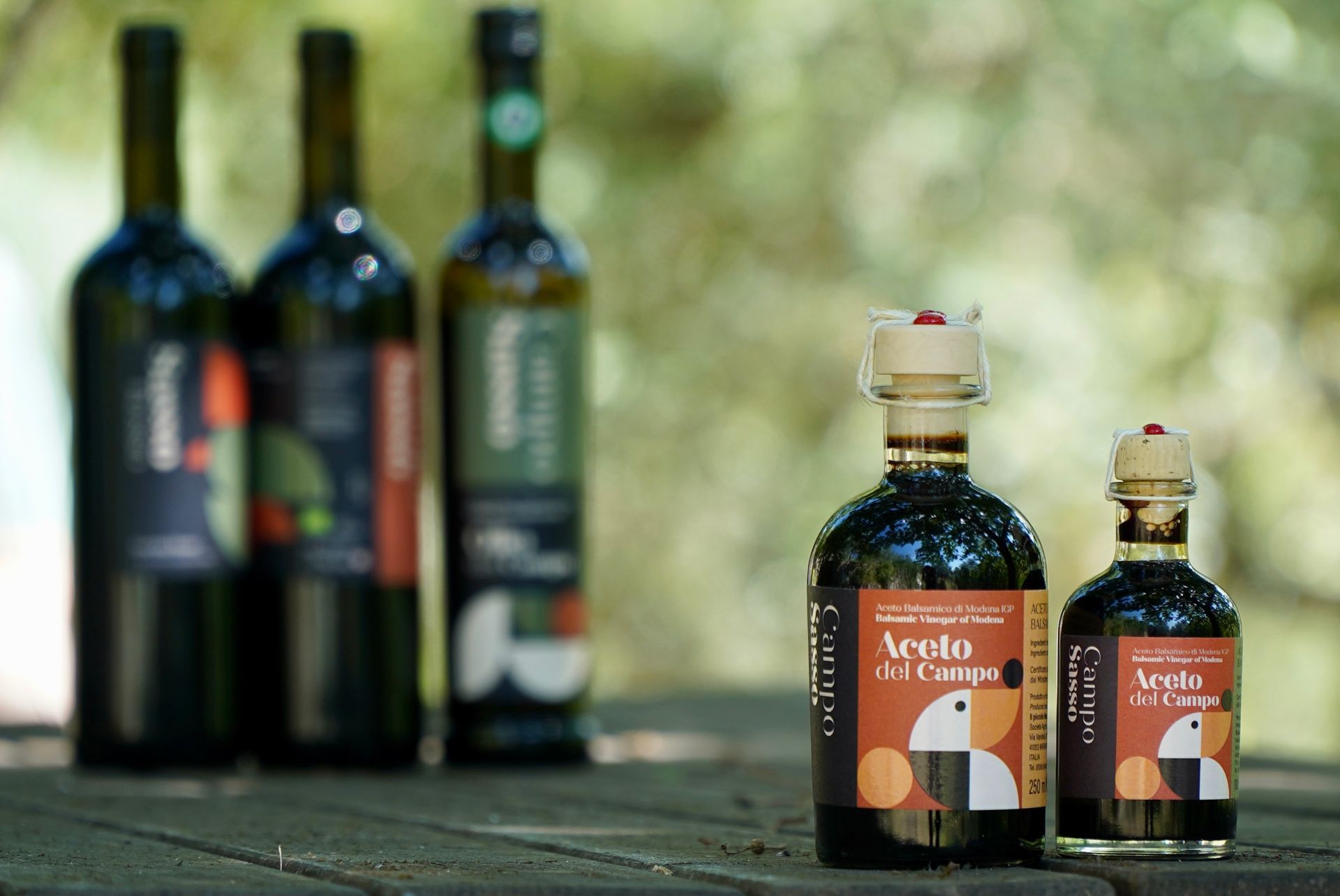
From selecting independent family wineries for Grape Tours, to promoting artisan cheesemakers through Formaggioteca Terroir, restoring biodiversity at Campo Sasso and developing regenerative agricultural projects across Tuscany, sustainability is embedded in the way we operate—not simply in the way we communicate.
About the author: Pierre Gouttenoire is an agricultural engineer, oenologist and cheese affineur. He co-founded the Jollie ecosystem in Tuscany and oversees its wine, food and regenerative agriculture projects.