Tannins, Proteins and Food Pairing: Why Wine Behaves Differently with Cheese, Meat and Fish (Part 2)
In Brief
Wine and food pairing is often reduced to the idea that tannins bind to proteins, but successful pairings depend on a much broader sensory system. Cheese, meat and fish differ not only in their protein composition, but also in fat, collagen, gelatin, salt, acidity, texture and cooking method. This article explains why caseins, muscle proteins and fish proteins interact differently with wine polyphenols, why cheese can soften tannins, why red wine often works with meat, and why some red wines can also pair successfully with fish. It concludes with the tasting experiences developed by Formaggioteca Terroir, Campo Sasso and Grape Tours, and presents Sasso Rosso as a wine specifically conceived to accompany cheese.
Keywords: wine and food pairing, tannins and proteins, cheese and wine pairing, meat and wine pairing, fish and wine pairing, casein, whey proteins, myosin, actin, collagen, gelatin, salivary proteins, astringency, wine acidity, fat and tannins, salt and wine, sugar and wine pairing, blue cheese pairing, aged cheese, Tuscan pecorino, Sangiovese pairing, red wine with fish, pairing rules, sensory balance, Formaggioteca Terroir, Campo Sasso, Grape Tours, Tuscan wine tours, Sasso Rosso, wine for cheese
Tannins, Proteins and Food Pairing: Why Wine Behaves Differently with Cheese, Meat and Fish
One of the most familiar explanations in wine culture is that tannins pair well with protein.
This is why red wine is traditionally served with meat and why structured wines are frequently recommended with aged cheese. The explanation is attractive because it sounds simple and scientific: tannins bind to proteins, so protein softens the wine.
The principle has some validity, but it is incomplete.
A food is never made from protein alone. Cheese also contains fat, water, salt, acids and fermentation products. Meat contains muscle fibres, collagen, fat, juices and compounds produced by cooking. Fish varies enormously according to species, fat content, preparation and sauce.
The wine is equally complex. Its behaviour depends on acidity, alcohol, tannin structure, aromatic intensity, age, residual sugar and serving temperature.
Successful pairing is therefore not a reaction between two isolated substances. It is the balance of two complete sensory systems.
Why Tannins Feel Dry
Wine tannins associate with salivary proteins and can reduce the lubricating properties of saliva.
As lubrication decreases, friction increases between the surfaces of the mouth. We perceive this as astringency: dryness, roughness, grip or puckering.
Food can change this perception in several ways.
Its proteins may offer alternative binding surfaces for polyphenols. Its fats can restore lubrication and affect tannin behaviour. Salt stimulates salivation. Acidity modifies freshness and balance. Sugar suppresses bitterness and sourness. Texture and temperature further alter perception.
The result is not that food simply removes tannin. Food changes the environment in which tannin is experienced.
Cheese Proteins: Casein, Whey and Ripening
Milk contains two principal protein groups: caseins and whey proteins.
Caseins account for approximately 80% of cow’s milk protein. The principal caseins have molecular weights of roughly 19 to 25 kDa. Rather than being tightly folded globular proteins, they possess relatively flexible structures and accessible hydrophobic regions.
This makes casein particularly capable of interacting with polyphenols.
The main whey proteins are:
- β-lactoglobulin, approximately 18 kDa.
- α-lactalbumin, approximately 14 kDa.
- Serum albumin.
- Immunoglobulins and minor proteins.
During cheesemaking, coagulation concentrates casein into the curd, while much of the whey is drained away.
Ripening then transforms the cheese. Enzymes from milk, rennet and microorganisms break large casein molecules into smaller peptides and amino acids. This process, known as proteolysis, modifies texture, aroma and the number of exposed molecular binding regions.
A fresh cheese and a 24-month-old cheese are therefore not simply different in intensity. They contain different protein structures and different peptide populations.
Research into milk proteins shows that their association with polyphenols depends on protein conformation, pH, temperature and the precise structure of the phenolic compounds involved.
Why Cheese Often Softens Tannic Wine
When cheese is eaten before or with a tannic wine, several mechanisms operate simultaneously.
Caseins and casein-derived peptides may interact with some of the wine’s polyphenols before those polyphenols associate with salivary proteins.
Cheese fat improves lubrication and can change the distribution of tannins in the mouth. Salt stimulates saliva. The physical texture of the cheese creates a coating effect. Acidity in the wine then refreshes the palate.
Experimental work on cheese and red wine suggests that lipids may be at least as important as proteins in reducing the availability of tannins for interactions with saliva.
This explains why the expression “protein softens tannin” is useful but insufficient.
A low-fat, unsalted fresh cheese does not behave like a mature pecorino. A creamy washed-rind cheese does not behave like Parmigiano Reggiano. A blue cheese introduces strong saltiness, bitterness, fat, fungal aromas and extensive proteolysis.
Each creates a different sensory landscape.
Pairing Wine with Fresh Cheese
Fresh cheeses retain substantial water and usually have mild dairy flavours and noticeable lactic acidity.
Examples include:
- Fresh goat cheese.
- Robiola fresca.
- Ricotta.
- Stracchino.
- Young mozzarella.
- Fresh pecorino.
These cheeses are rarely improved by a heavily extracted, high-alcohol red wine. The wine may dominate their delicate aromas, while the cheese may make the tannins appear even more severe.
More natural partners include:
- Fresh, high-acid white wines.
- Sparkling wines.
- Light rosé.
- Very delicate reds with low tannin.
- Aromatic whites for fresh goat cheeses.
The acidity of the wine should respond to the moisture and lactic freshness of the cheese without crushing its flavour.
Pairing Wine with Aged Cheese
Ageing removes moisture and concentrates flavour. Proteolysis breaks down proteins, lipolysis transforms fats and microbial activity creates increasingly complex aromatic compounds.
Aged cheeses can therefore support wines with greater intensity and structure.
A mature Tuscan pecorino may pair well with Sangiovese because:
- Its salt stimulates salivation.
- Its fat reduces the impression of dryness.
- Its concentrated flavour matches the intensity of the wine.
- Its savoury character complements the wine’s acidity and earthy aromas.
- Its firm texture provides contrast to the fluidity of the wine.
This does not mean that the oldest cheese requires the most tannic wine. Very mature cheeses may develop sharp, bitter or spicy notes that are better balanced by an evolved red, an oxidative wine or even a wine with some sweetness.
The objective is not maximum power. It is proportion.
Blue Cheese and the Importance of Sugar
Blue cheeses contain cultures of Penicillium, extensive proteolysis and lipolysis, pronounced saltiness and powerful aromatic compounds.
A very dry, tannic red may appear bitter or metallic beside such a cheese. The cheese’s salt and intensity can make the wine seem thinner, drier and more austere.
Sweetness often creates a better balance.
A sweet wine can:
- Counteract saltiness.
- Soften bitterness.
- Match the cheese’s intensity.
- Create contrast with pungent blue aromas.
- Provide greater volume on the palate.
This is why many classic blue-cheese pairings involve sweet or fortified wines.
Sugar does not eliminate the cheese’s salt or the wine’s acidity. It operates as a sensory counterweight and mask.
Meat Proteins: Myosin, Actin and Collagen
Meat contains several protein families.
Myosin is one of the largest and most important muscle proteins, forming a molecular complex of around 500 kDa. Actin monomers have a molecular weight of approximately 42 kDa.
Meat also contains:
- Troponin.
- Tropomyosin.
- Myoglobin.
- Enzymes.
- Connective-tissue proteins.
- Collagen.
Collagen is particularly important because it shapes the texture of tougher cuts.
During long cooking, collagen’s organised triple-helical structure is gradually disrupted and partly converted into gelatin. This creates softness, viscosity and a coating sensation.
A grilled fillet, a bistecca, a slow-cooked beef cheek and a braised wild-boar stew therefore contain different protein conformations and textures, even when they all originate from red meat.
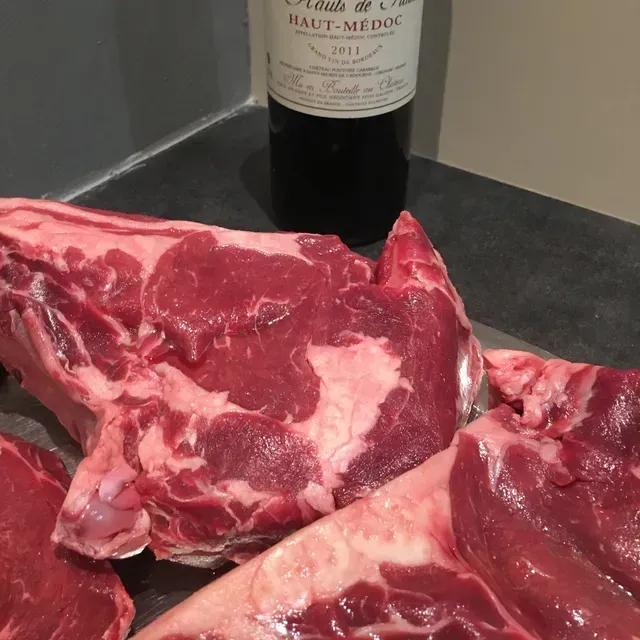
Why Red Wine and Meat Often Work Together
The traditional pairing of meat and red wine is not based on protein alone.
Several effects combine:
Protein Interaction
Denatured muscle proteins may offer binding regions for wine polyphenols, reducing the quantity immediately available to interact with saliva.
Fat and Lubrication
Fat counteracts the drying sensation of tannins and makes the wine appear smoother.
Gelatin
Slow-cooked collagen produces gelatin, creating a rich texture that can support acidity and tannin.
Salt
Seasoning stimulates salivary flow, helping restore lubrication.
Acidity
Wine acidity refreshes the palate after fatty or gelatin-rich food.
Cooking Aromas
Grilling, roasting and browning produce Maillard-reaction aromas. These can create bridges with toasted, smoky, spicy or oak-derived notes in wine.
Similar Intensity
A strongly flavoured dish can accommodate a structured wine without being overwhelmed.
Research and established sensory literature support the idea that tannin–protein interaction plays a role, but also emphasise that flavour intensity, fat, acidity and oral perception contribute to the complete pairing.
Lean Meat Requires a Different Wine
The rule “red wine with meat” becomes unreliable when it ignores fat and preparation.
A very lean steak may make a young tannic wine feel more drying because there is little fat or gelatin to counterbalance its grip.
Chicken breast, veal or pork loin may be overwhelmed by a heavily extracted red, particularly when served without sauce.
In such cases, a lighter red, mature red, structured rosé or full-bodied white may work better.
The sauce can be more important than the meat.
A chicken dish with mushrooms may suit an evolved red. The same chicken with lemon and herbs may require a white. Pork with fruit may demand acidity and a touch of sweetness. Veal with tuna sauce follows entirely different logic from roasted veal.
The animal does not determine the pairing by itself. The dish does.
Fish Contains Protein Too
The traditional opposition between red wine and fish is often explained badly.
Fish contains many of the same principal muscle proteins as meat, including actin and myosin. Fish is not unsuitable for red wine because it lacks proteins.
The difference lies in structure and composition.
Most fish contains less connective tissue than terrestrial meat. Its collagen is generally less thermally stable, which helps explain why fish cooks quickly and flakes easily.
Many fish dishes also contain less fat and gelatin than slow-cooked meat. Their flavours can be more delicate and more vulnerable to domination by alcohol and tannin.
Some wine–fish combinations may also accentuate metallic or fishy sensations, particularly when tannins, iron and oxidised fish lipids interact within the complete sensory matrix.
When White Wine Works Best with Fish
A delicate white fish served simply—steamed, poached or lightly grilled—usually benefits from a wine offering:
- High freshness.
- Moderate alcohol.
- Low tannin.
- Precise aromatics.
- Limited oak.
- Sufficient acidity to accompany the texture.
White wine is not automatically better because it is white. It is often better because its structure is better proportioned to the dish.
A very oaky, alcoholic white can overwhelm fish just as easily as a red wine.
When Red Wine Can Work with Fish
Red wine can work well with fish when both the wine and the dish are chosen carefully.
Potential examples include:
- Tuna with a lightly structured red.
- Salmon with Pinot Noir or an elegant Sangiovese.
- Grilled octopus with a fresh Mediterranean red.
- Monkfish with tomato, mushrooms or legumes.
- Fish stew with a low-tannin red.
- Salt cod with an evolved, savoury wine.
- Rich fish dishes with aged red wines whose tannins have softened.
The best reds in these situations usually have:
- Moderate tannin.
- Good acidity.
- Controlled alcohol.
- Limited new oak.
- Some bottle age.
- No excessive extraction.
Serving the red slightly cool can also improve balance.
The rule should not be “never red wine with fish”. It should be “avoid a wine whose tannin, alcohol or aromatic weight overwhelms the dish”.
The Importance of Sauces and Accompaniments
Pairing rules often focus too heavily on the central ingredient.
Yet diners rarely eat an isolated piece of protein.
These additions may dominate the pairing.
The complete plate must always be considered.
Practical Pairing Principles
Pairing should be based on balance rather than fixed colour rules.
Match Intensity
A delicate dish requires a restrained wine. A concentrated dish can support greater aromatic and structural power.
Use Acidity to Refresh
Acidity is particularly effective with fat, salt and creamy textures.
Consider Tannin and Lubrication
Young tannic wines generally work better when the food provides fat, gelatin, salt or substantial texture.
Pair the Wine with the Preparation
Cooking method and sauce often matter more than whether the ingredient is meat or fish.
Be Careful with Sweetness
A sweet dish can make a dry wine taste thin, bitter and acidic. The wine should usually be at least as sweet as the food.
Respect Salt and Umami
Salt and umami can modify the perception of bitterness, acidity and astringency. Highly savoury foods may require wines with generous fruit, maturity or sweetness.
Avoid Automatic Escalation
A more mature cheese does not always require a more powerful wine. A more expensive meat does not necessarily need a more expensive bottle.
Complexity should meet complexity, not simply force.
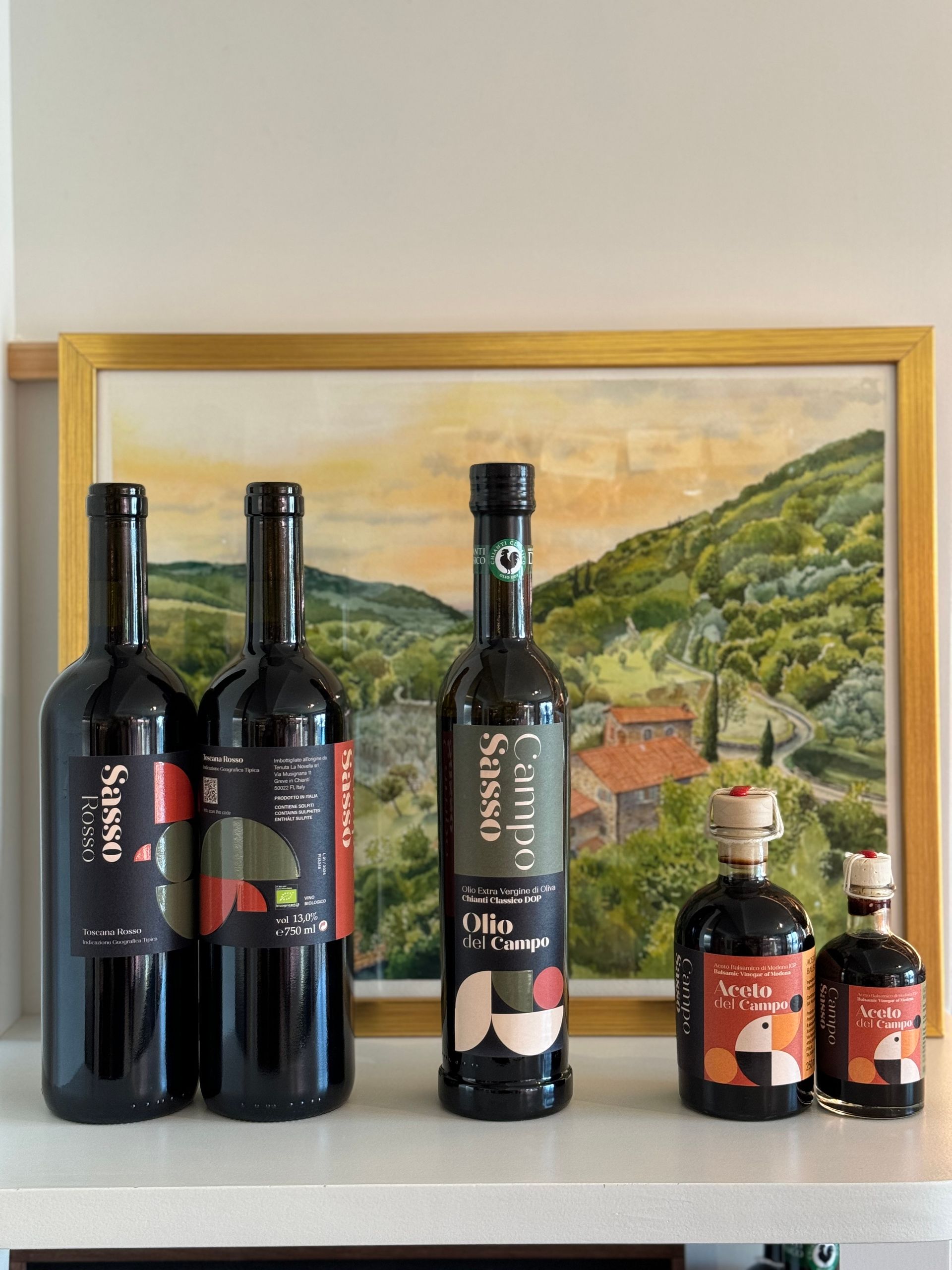
Sasso Rosso: A Wine Conceived for Cheese
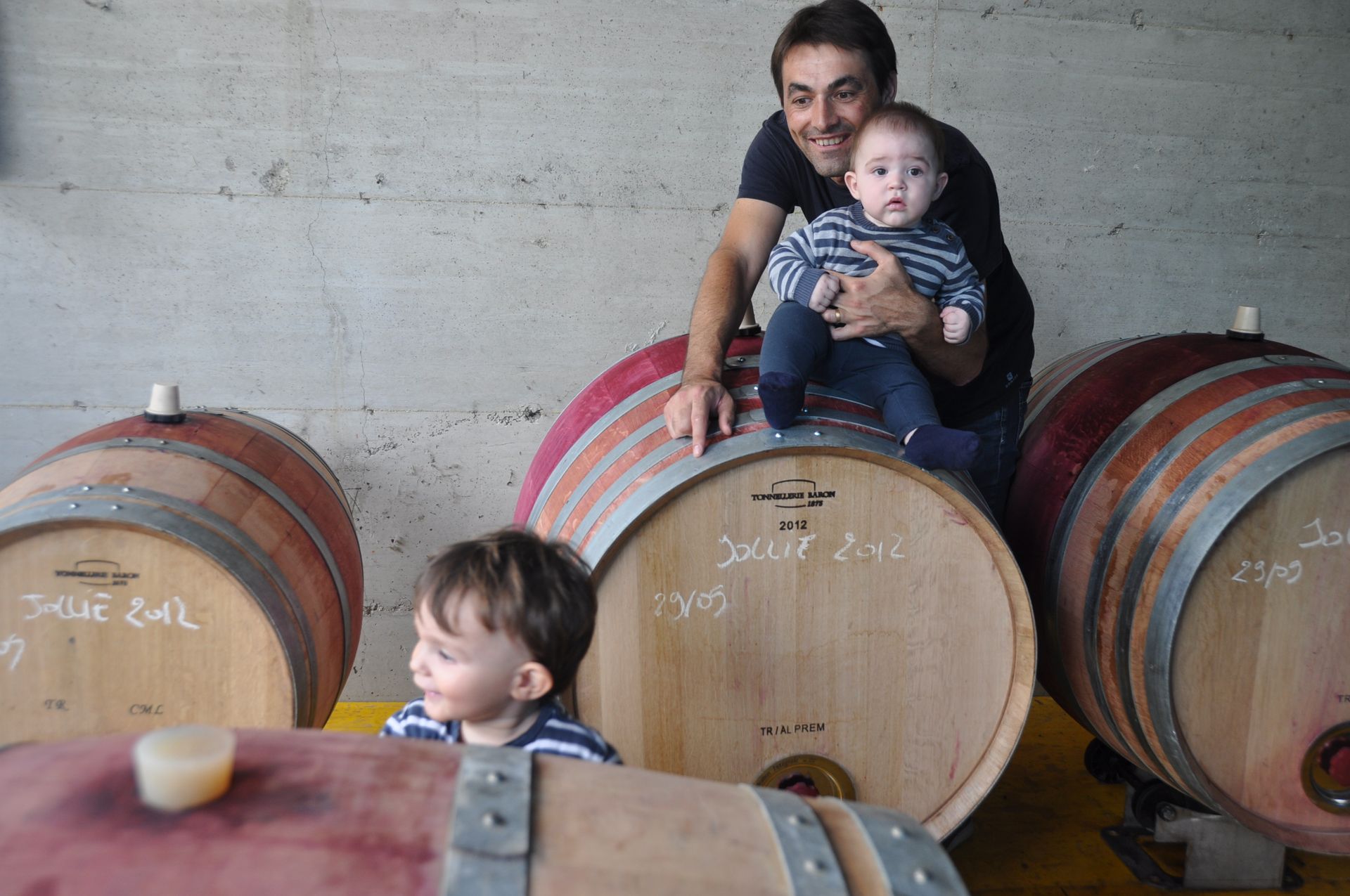
Sasso Rosso was developed within the Jollie ecosystem with a particular gastronomic intention: to accompany cheese.
It is not simply a red wine that happens to be served beside a cheese board. Its balance is conceived around the realities of cheese tasting:
- Salt.
- Fat.
- Lactic and fermented flavours.
- Different degrees of proteolysis.
- The texture of the paste.
- The intensity of the rind.
- The persistence of mature milk aromas.
A cheese wine needs sufficient acidity to refresh the palate, enough structure to remain present and tannins that support the food without drying out the mouth excessively.
It must be versatile enough to accompany several cheeses without becoming monotonous or dominant.
Sasso Rosso expresses the principle that a gastronomic wine should not be understood in isolation. Its full identity appears through the food with which it was created to interact.
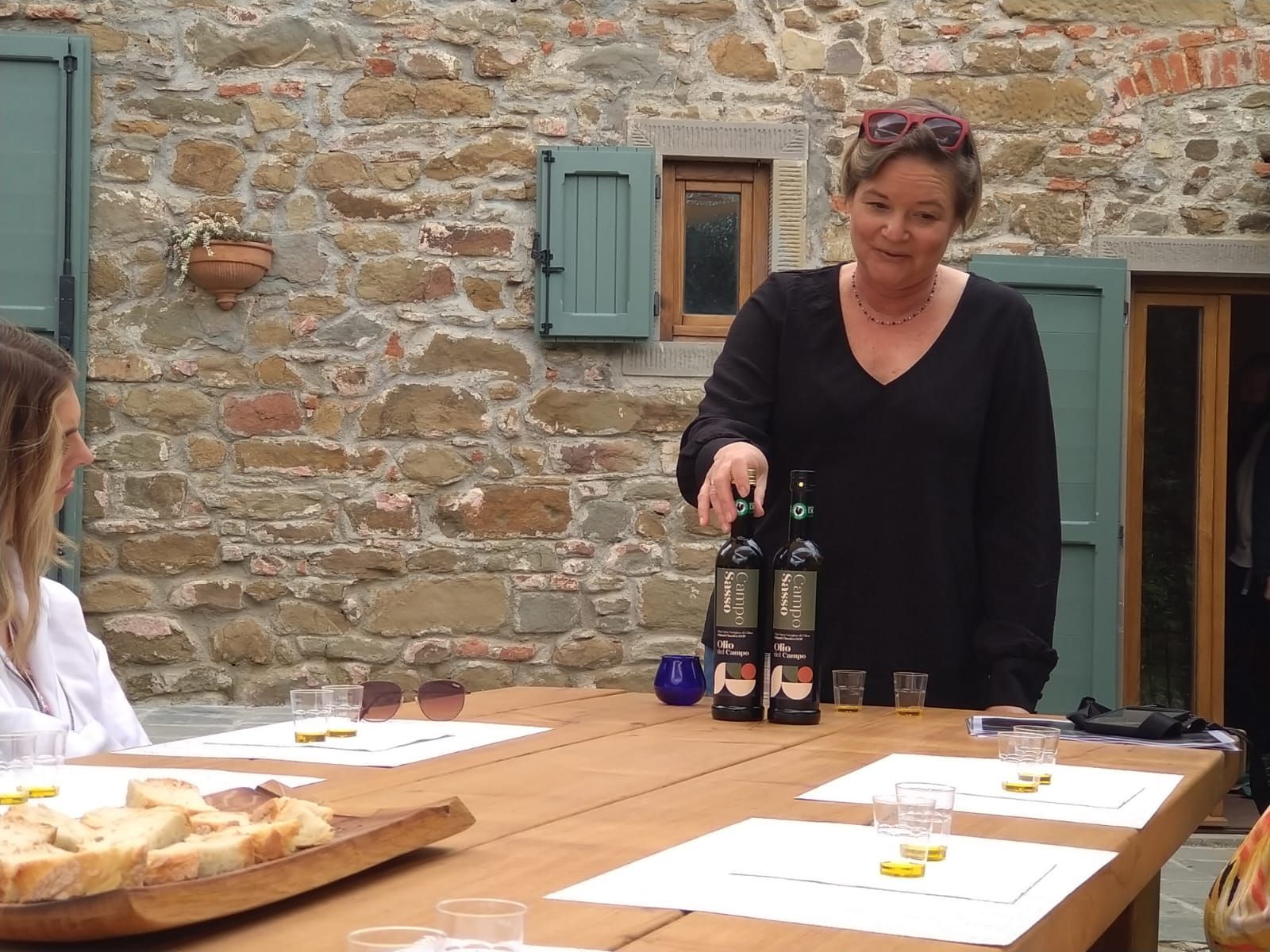
Learning Through Tasting at Formaggioteca Terroir
At Formaggioteca Terroir, wine and cheese pairing is not reduced to a standard board accompanied by generic explanations.
Each cheese represents:
- A species and breed of animal.
- A type of milk.
- A landscape.
- A cheesemaker.
- A coagulation technique.
- A rind ecosystem.
- A period of ripening.
- A human decision.
The wines are selected to reveal how acidity, tannin, sweetness, oxidation and aromatic intensity respond to these variables.
Guests can observe directly how the same wine changes beside a fresh goat cheese, a mature pecorino, a washed rind or a blue cheese.
The purpose is not to declare one universal “perfect pairing”. It is to develop sensory understanding through comparison.
Sasso Rosso holds a natural place within these experiences because it was conceived around the structure and diversity of cheese itself.
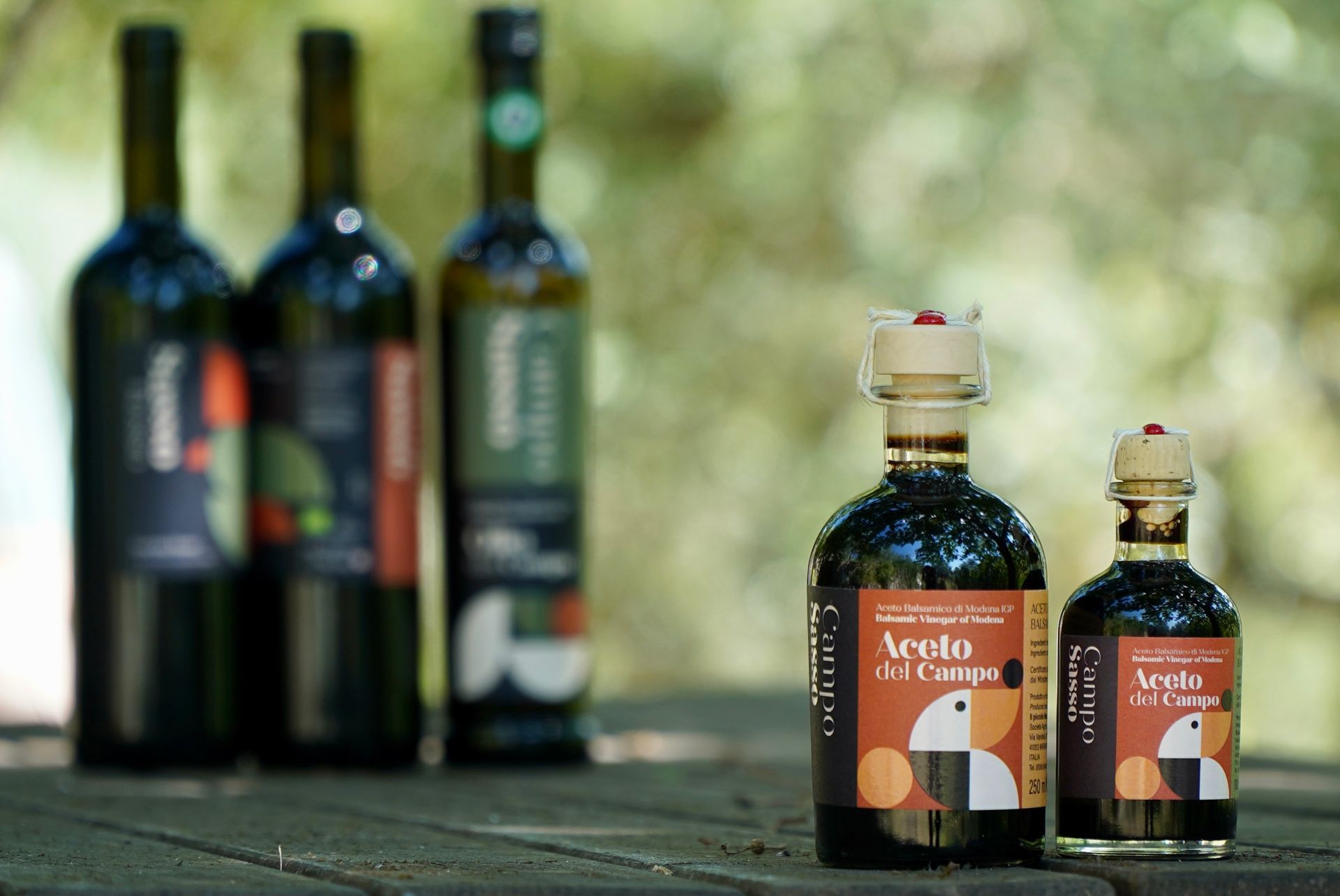
Tasting at Campo Sasso
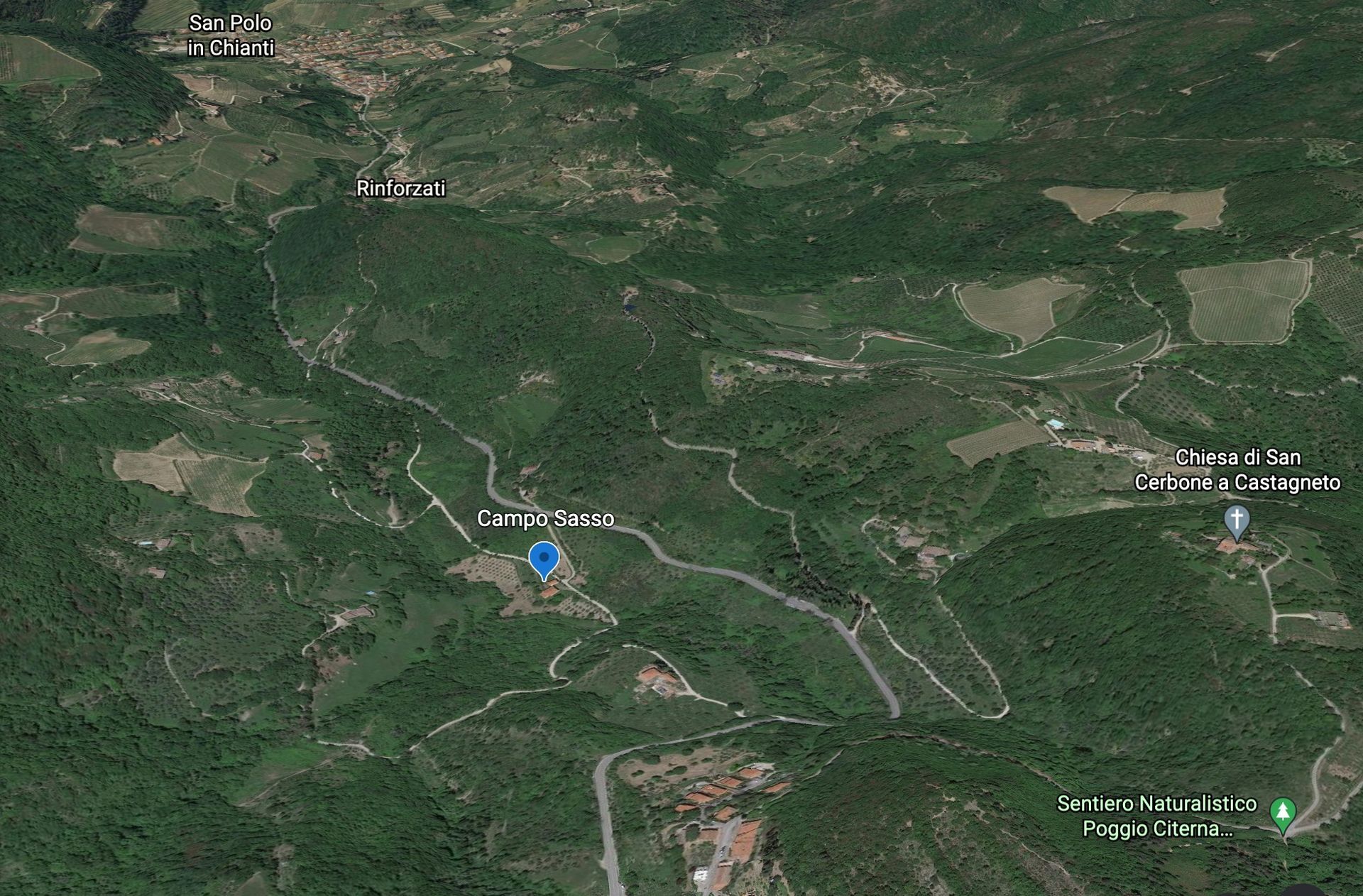
Campo Sasso extends this experience beyond the tasting room.
Here, cheese affinage, wine, olive oil, hospitality and the agricultural landscape are brought together within one place.
A tasting can therefore connect molecular interaction with physical origin.
The guest does not encounter cheese merely as a finished product. The cheese belongs to a wider system involving milk, microorganisms, ripening conditions, human expertise and time.
Wine is approached in the same way. It is not simply a beverage identified by grape variety or appellation. It is a cultural and agricultural product whose structure becomes intelligible through food.
The pairing experience at Campo Sasso is therefore also an interpretation of the Tuscan landscape.
Wine Tours as Moving Tasting Laboratories
Across the wine tours created by Grape Tours, tasting is never intended to be limited to three small pours followed by a rapid technical explanation of fermentation tanks and barrels.
Wine becomes meaningful when it is placed in relation to:
- Local food.
- Agriculture.
- history.
- Landscape.
- Family businesses.
- Cheese.
- Olive oil.
- Meat.
- Culinary traditions.
- The people who make and serve it.
Every pairing becomes a small experiment.
A wine may appear hard when tasted alone and balanced after a bite of cheese. A mature red may suit fish better than expected. A sweet wine may reveal the depth of a blue cheese. An acidic wine may transform the perception of fat.
These experiences teach more than rigid rules because they allow guests to feel the chemistry directly.
From Rules to Sensory Understanding
The expression “tannins bind to proteins” is a useful beginning, but it should never be the final explanation.
The success of a pairing depends on tannin structure, protein conformation, fat, gelatin, salt, acidity, sugar, temperature, aroma and personal sensitivity.
Cheese does not automatically soften every red wine. Meat does not automatically require tannin. Fish does not automatically exclude red wine.
Pairing is not about obeying a colour code.
It is about understanding structure.
At Formaggioteca Terroir, Campo Sasso and throughout the Grape Tours tasting experiences, this understanding is developed through direct comparison and informed pleasure.
Wine is not separated from food, and food is not separated from the people and landscapes that produced it.
The objective is not to identify one absolute pairing.
It is to discover how each element changes the other—and how a well-conceived wine such as Sasso Rosso can find its fullest expression at the table, particularly beside the extraordinary diversity of cheese.
About the author: Pierre Gouttenoire is an agricultural engineer, oenologist and cheese affineur. He co-founded the Jollie ecosystem in Tuscany and oversees its wine, food and regenerative agriculture projects.