Regenerating Pierre's Family Story
Les Caves Bâtardes of Campo Sasso
dedicated to the cheese ageing (affinage)
The inspiration behind the Caves Bâtardes of Campo Sasso comes from a forgotten chapter of our own family history.
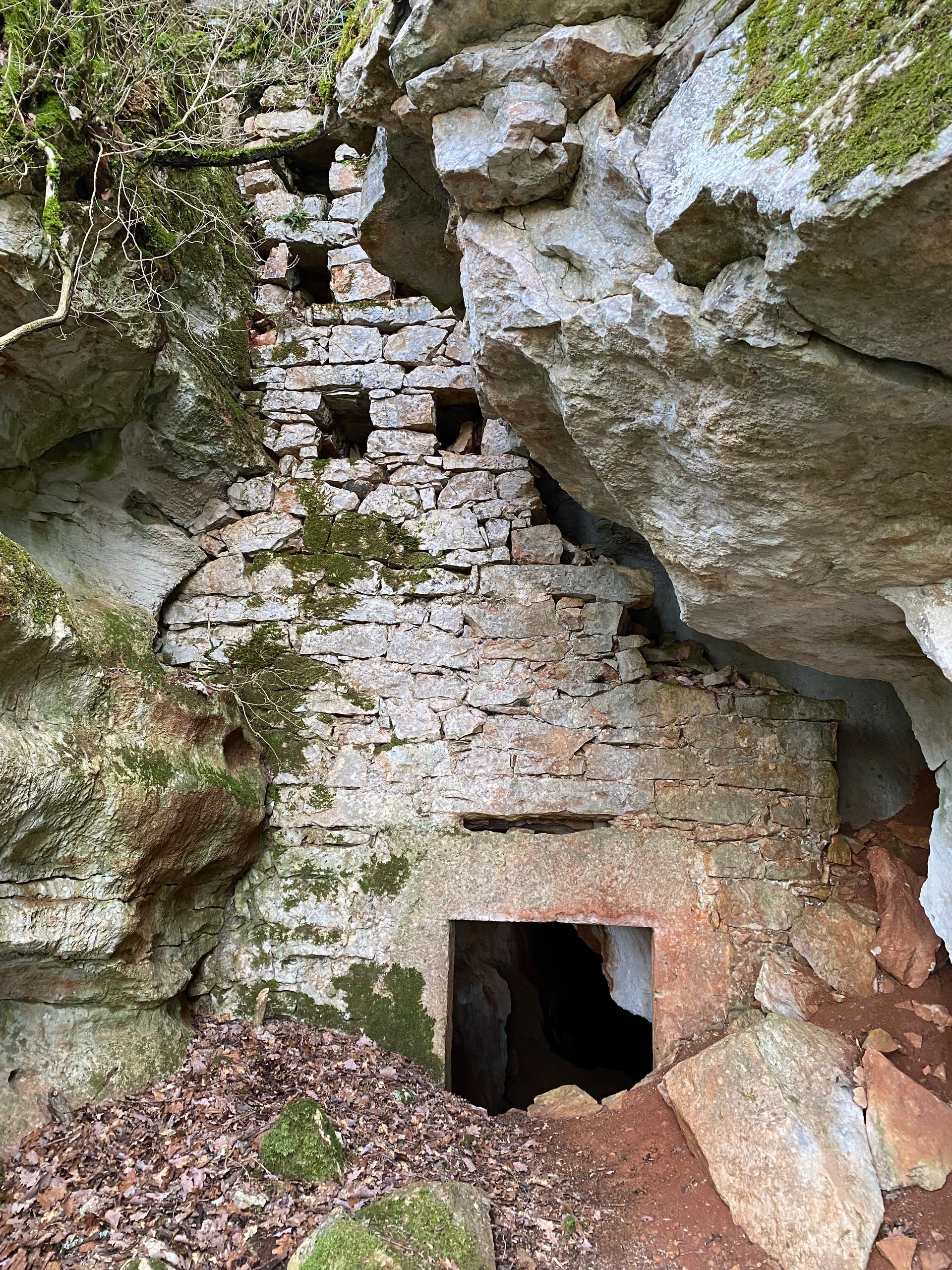
In the Roquefort region of Southern France, the term "caves bâtardes" was traditionally used to describe the natural maturation caves located beneath the Larzac plateau, outside the famous Combalou mountain. For generations, farming families — including Pierre's family — aged their sheep's milk cheeses in these caves, taking advantage of their unique natural conditions.
The 1925 French law formally protected Roquefort as an appellation of origin and reserved the name for cheeses matured in the natural caves of the Combalou at Roquefort-sur-Soulzon. The formal AOC category itself was established later, in 1935.The countless caves bâtardes scattered across the Larzac were gradually abandoned, and with them disappeared part of a rich rural heritage and a unique model of farm-based cheese maturation.
At Campo Sasso, we have chosen to revive the spirit of these forgotten caves.
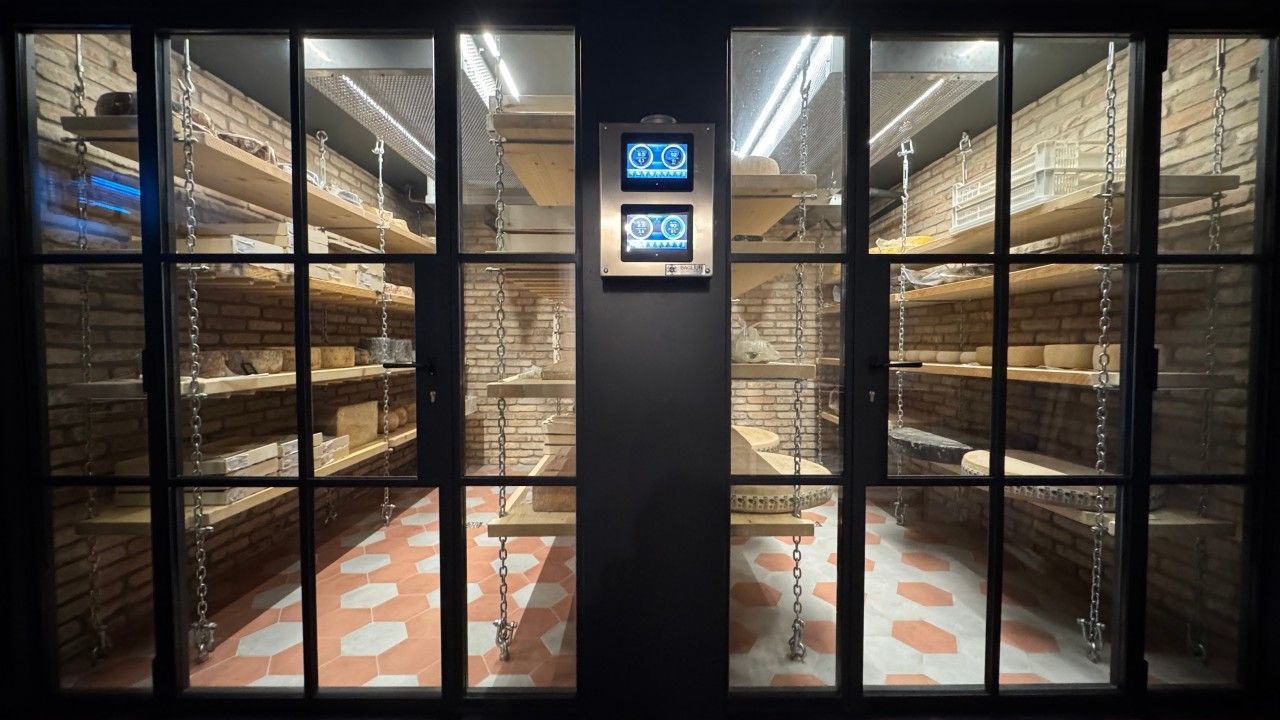
This vision found its first expression through the creation of Sasso Forte, a blue sheep's milk cheese produced by Alexandre and Émilie Valette at the Ferme d'Alcas on the Larzac plateau. After production in Aveyron, the cheese travels to Tuscany where it completes its maturation in the Bastard Caves of Campo Sasso.
In doing so, Sasso Forte recreates a process that was once common before the AOC regulations of 1925: a sheep's milk cheese produced on a farm and matured outside the official Roquefort caves. While Sasso Forte is not an attempt to reproduce Roquefort, it seeks to continue the spirit of those forgotten traditions and demonstrate that heritage can evolve beyond the boundaries imposed by history.
The Bastard Caves are therefore more than ageing rooms. They are a place where stories interrupted a century ago can find new expression. By connecting the Larzac plateau to the hills of Tuscany, Sasso Forte embodies our vision of regeneration: not preserving the past as a museum piece, but allowing it to inspire new forms of craftsmanship, collaboration and taste.
Rather than reproducing history, we seek to continue its unfinished story.