Regenerative Tuscany
Wine, Food, Agriculture & Hospitality
Regenerative Tuscany is Jollie’s vision for reconnecting wine tourism, artisan food culture, hospitality and agriculture in Tuscany. Through Grape Tours, Formaggioteca Terroir, Campo Sasso and Tracolle, we bring together producers, landscapes, craftsmanship and guests to keep Tuscan traditions alive while creating new value for future generations.
Built on nearly two decades of experience in Tuscan wine tourism, food culture and hospitality, Regenerative Tuscany is grounded in the daily work of our teams, producers and local partners.
At Jollie, we believe authenticity is not something to preserve behind glass. Traditions remain meaningful only when they evolve, adapt and inspire future generations.
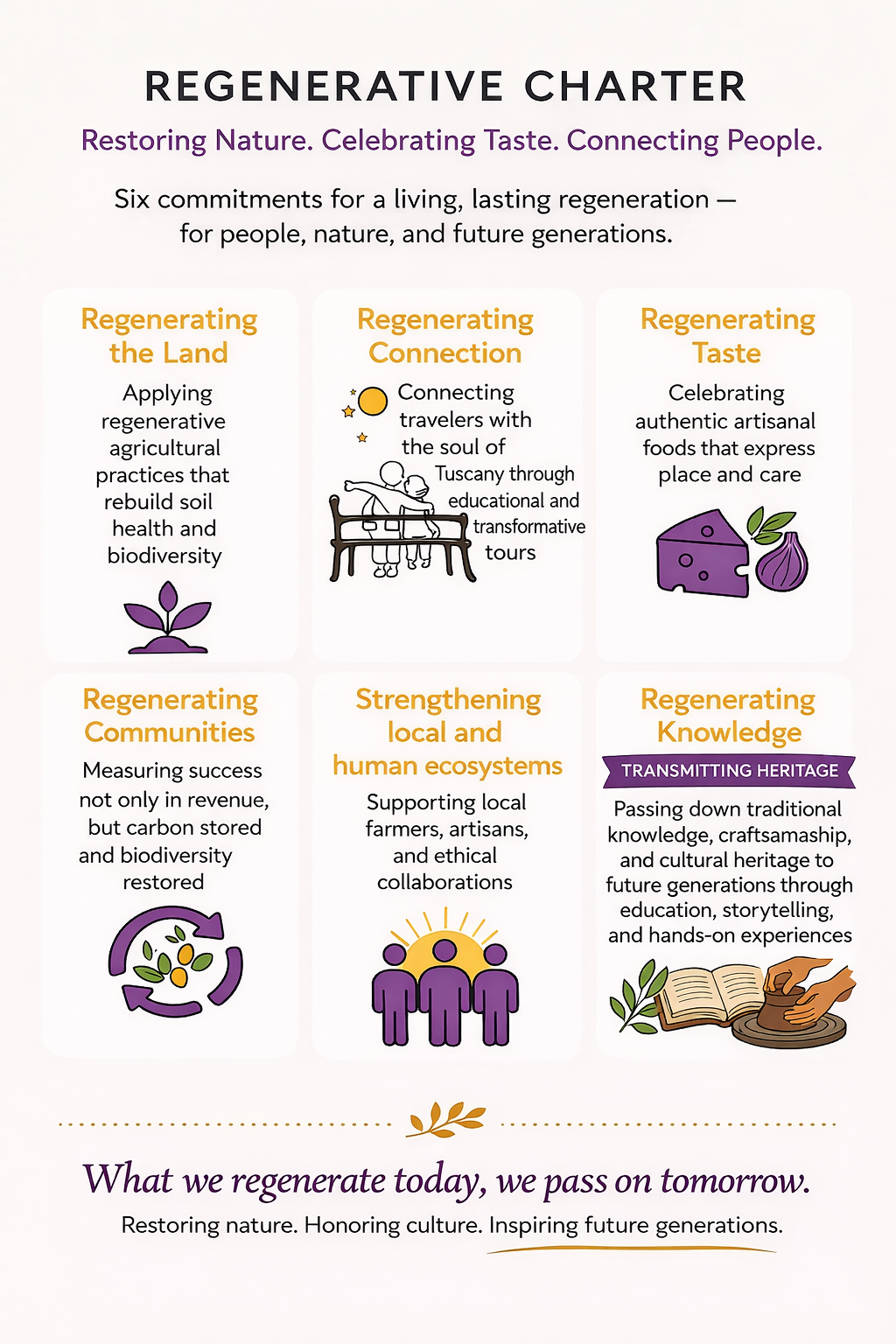
Our vision of regeneration extends beyond agriculture. It reconnects landscapes, food, craftsmanship, hospitality and people. Across Tuscany, our projects revive traditional knowledge while adapting it to contemporary realities.
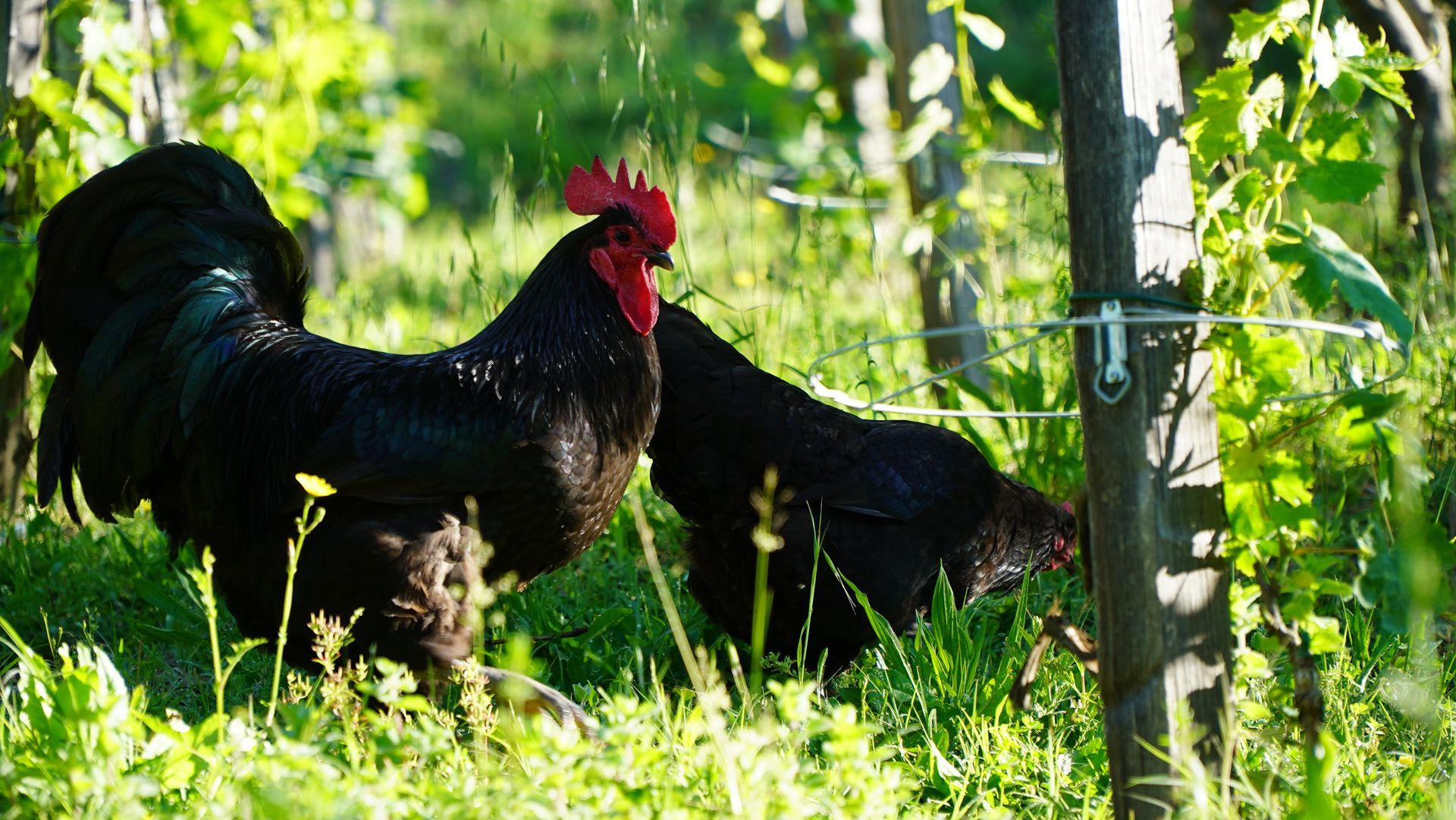
Through wine experiences that connect visitors with local producers, cheese ageing rooted in ancestral knowledge, hospitality shaped by a sense of place, and agroforestry designed to restore biodiversity, we see regeneration as a continuous process of renewal.
Rather than turning Tuscany into a museum, we aim to keep it alive by supporting its communities, traditions and landscapes while creating opportunities for future generations.
This is what we call Regenerative Tuscany.
At Jollie, Regenerative Tuscany is expressed through projects that reconnect visitors, producers, landscapes and local traditions.
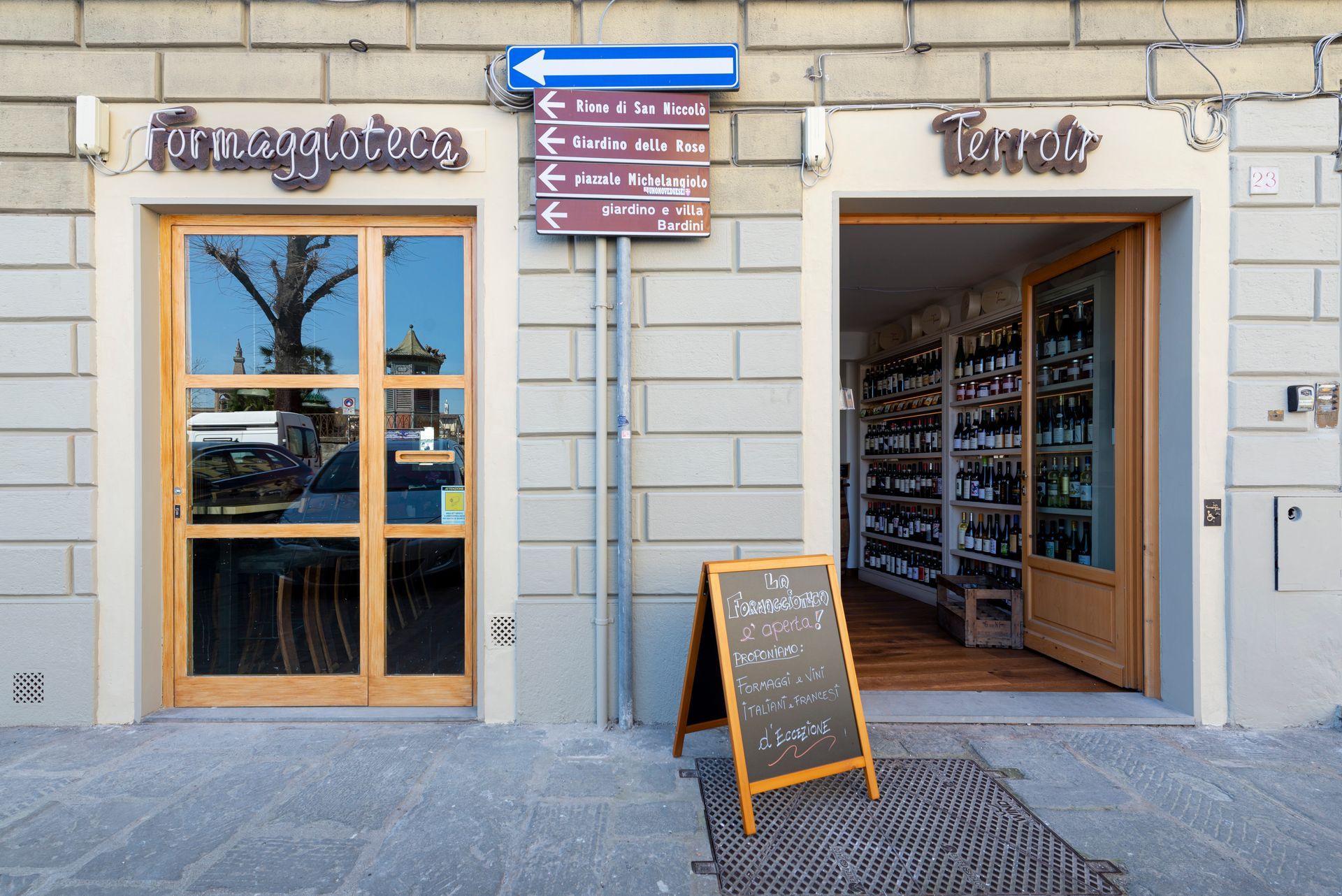
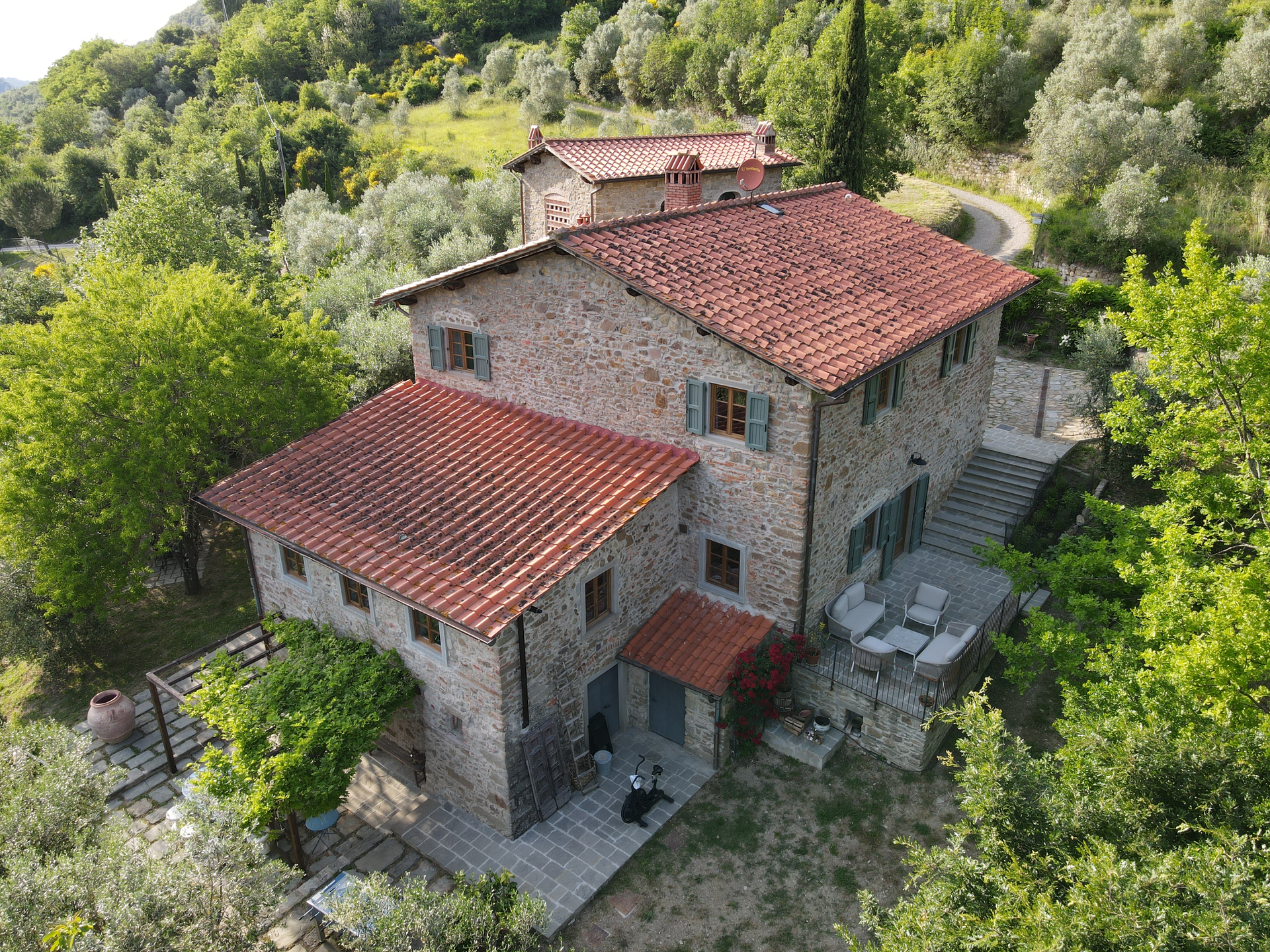
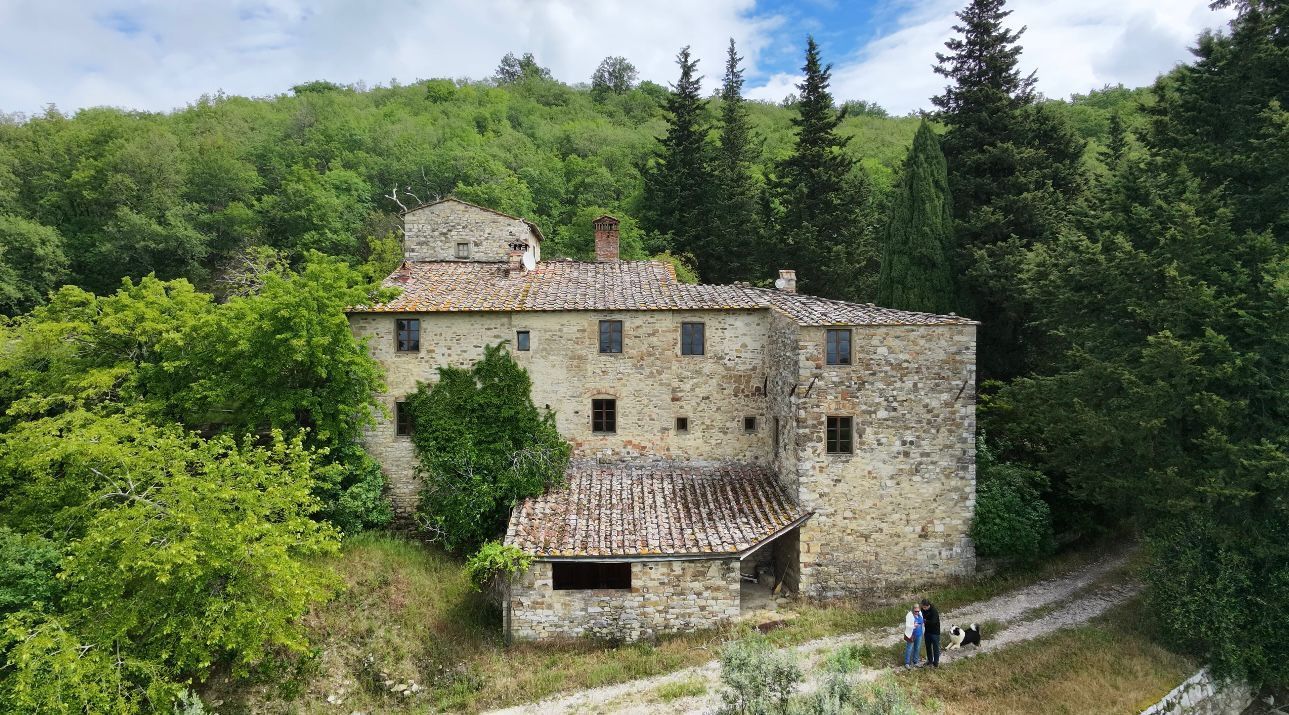
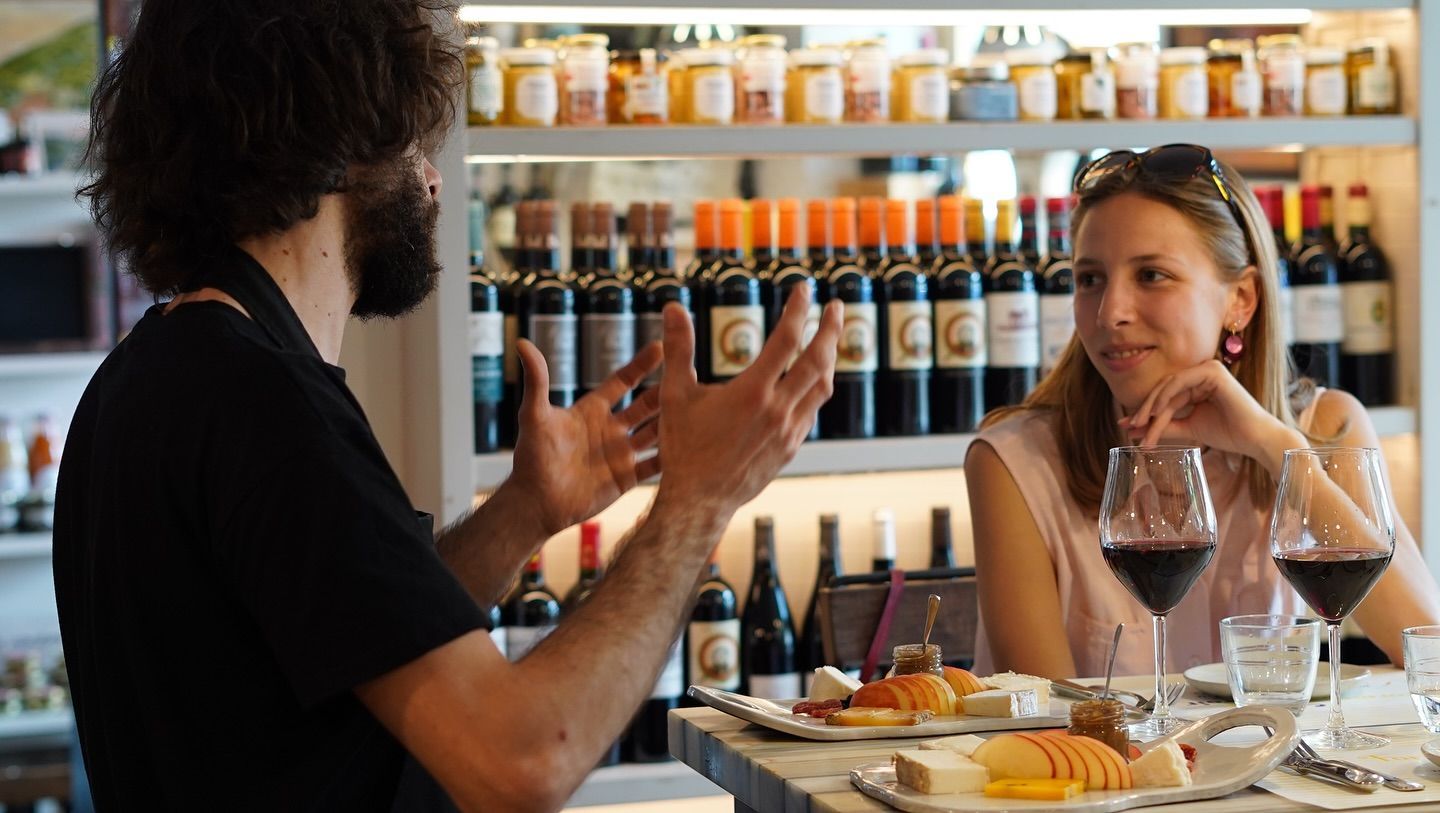
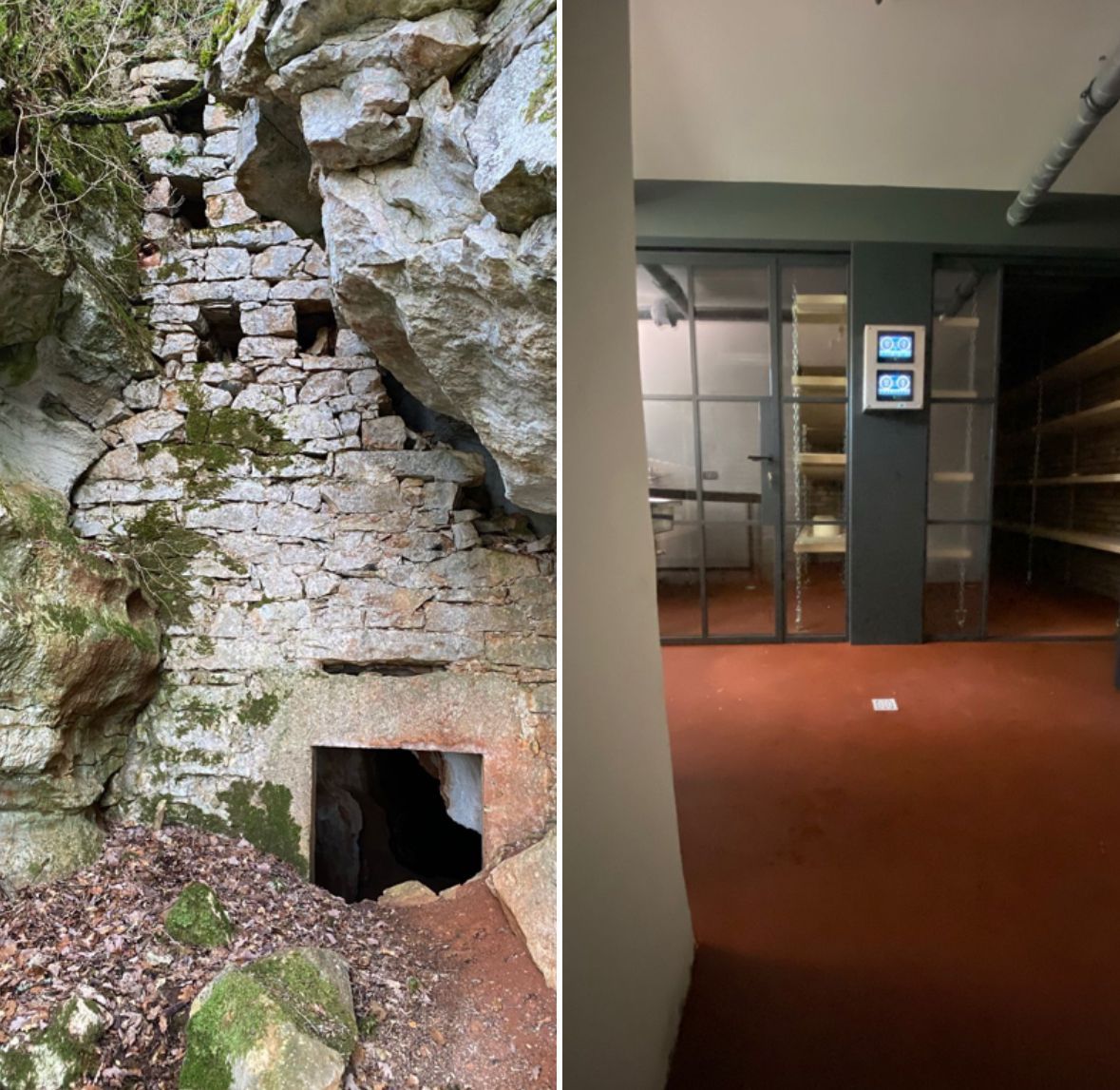
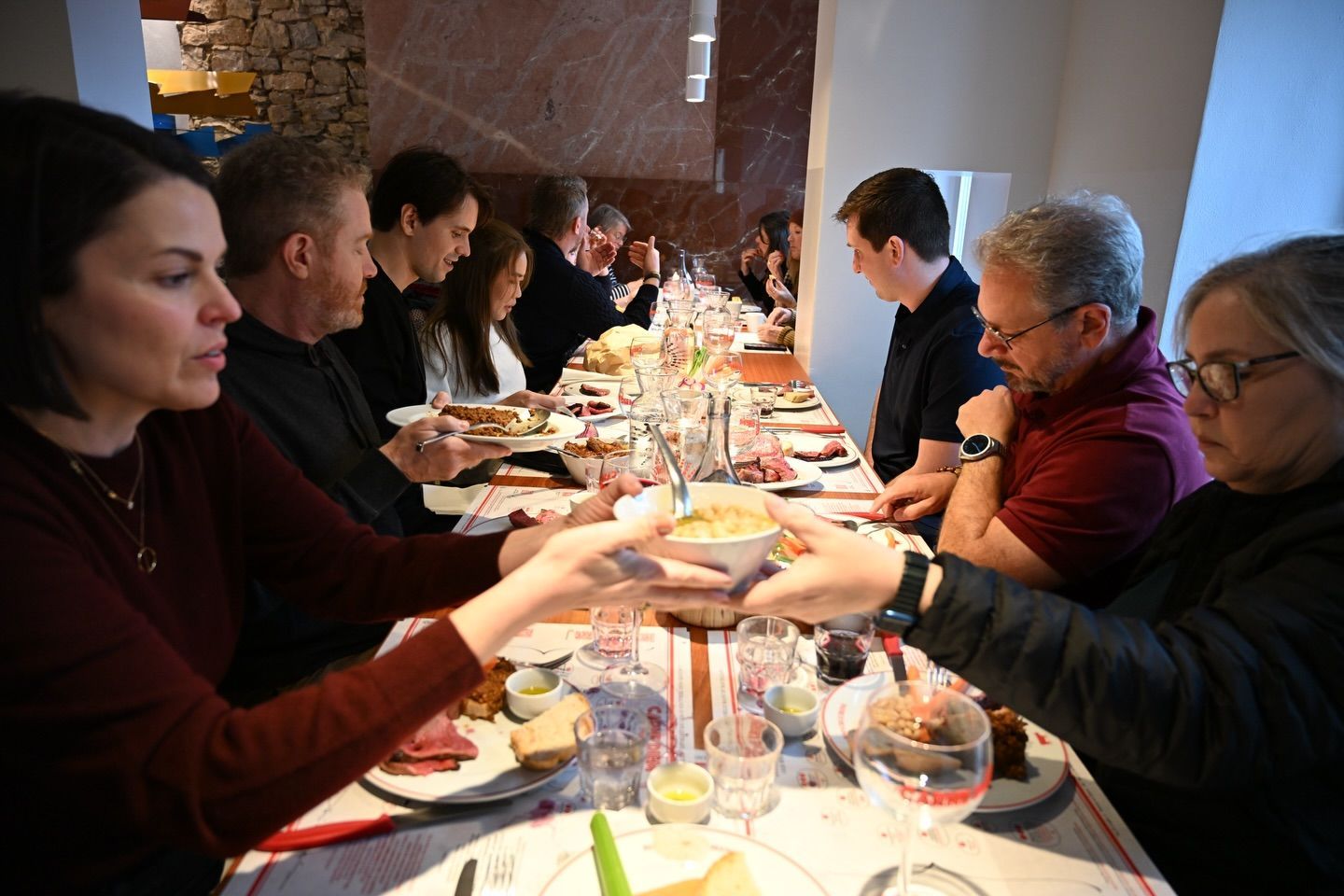
Through Grape Tours, we create small-group wine and food experiences with independent Tuscan producers. Formaggioteca Terroir celebrates artisan cheese through guided tastings, careful sourcing and the art of affinage. Campo Sasso brings new life to a Tuscan farmstead through hospitality, cheese-ageing caves, olive groves and agroforestry. At Tracolle, we are developing a farm-to-table project combining regenerative agriculture, integrated livestock, food education and rural hospitality.
Together, these projects form a living ecosystem in which wine, cheese, agriculture, craftsmanship and hospitality reinforce one another.
Wine naturally holds a central place within Regenerative Tuscany, but it can only be fully understood within the landscape and culture that shaped it. For centuries, Tuscan wine has formed part of a wider rural culture shaped by cheese, cured meats, olive oil, seasonal cuisine and local traditions.
Through Grape Tours, Formaggioteca Terroir and Campo Sasso,
we place wine back into its historical, gastronomic and human context, inviting guests to experience Tuscany not as a collection of tastings, but as a living heritage.
In Brief
- Nearly 20 years of experience
- 8,000+ guests welcomed annually
- 80+ independent producer partners
- Four complementary Tuscan projects
- B Corp-certified activities across the ecosystem
Our Ecosystem in Tuscany
Discover Regenerative Tuscany in Action
Each Jollie project explores a different dimension of regeneration—from wine tourism and cheese culture to rural hospitality and farming. Each initiative reflects our commitment to combining tradition, innovation and long-term stewardship.
FAQ about Regenerative Tuscany
What is
Regenerative Tuscany?
Regenerative Tuscany is Jollie’s approach to reconnecting wine, food, agriculture, hospitality and local traditions in Tuscany. It aims to keep authentic Tuscan culture alive by supporting producers, landscapes, craftsmanship and future generations.
How is Regenerative Tuscany different from sustainable tourism?
Sustainable tourism aims to reduce negative impacts. Regenerative tourism goes further by seeking to create positive value for local communities, ecosystems, cultural traditions and visitors.
How does Jollie practice Regenerative Tuscany?
Jollie practices Regenerative Tuscany through Grape Tours, Formaggioteca Terroir, Campo Sasso and Tracolle, combining wine tours, cheese culture, hospitality, agroforestry, farm-to-table agriculture and food education.
Why is wine central to Regenerative Tuscany?
Wine is central because it connects landscape, agriculture, history, gastronomy and rural identity. Jollie places wine back into its wider cultural ecosystem alongside cheese, olive oil, local food and hospitality.