Regenerative Tuscany

Agriculture, Wine Tourism & Food Culture

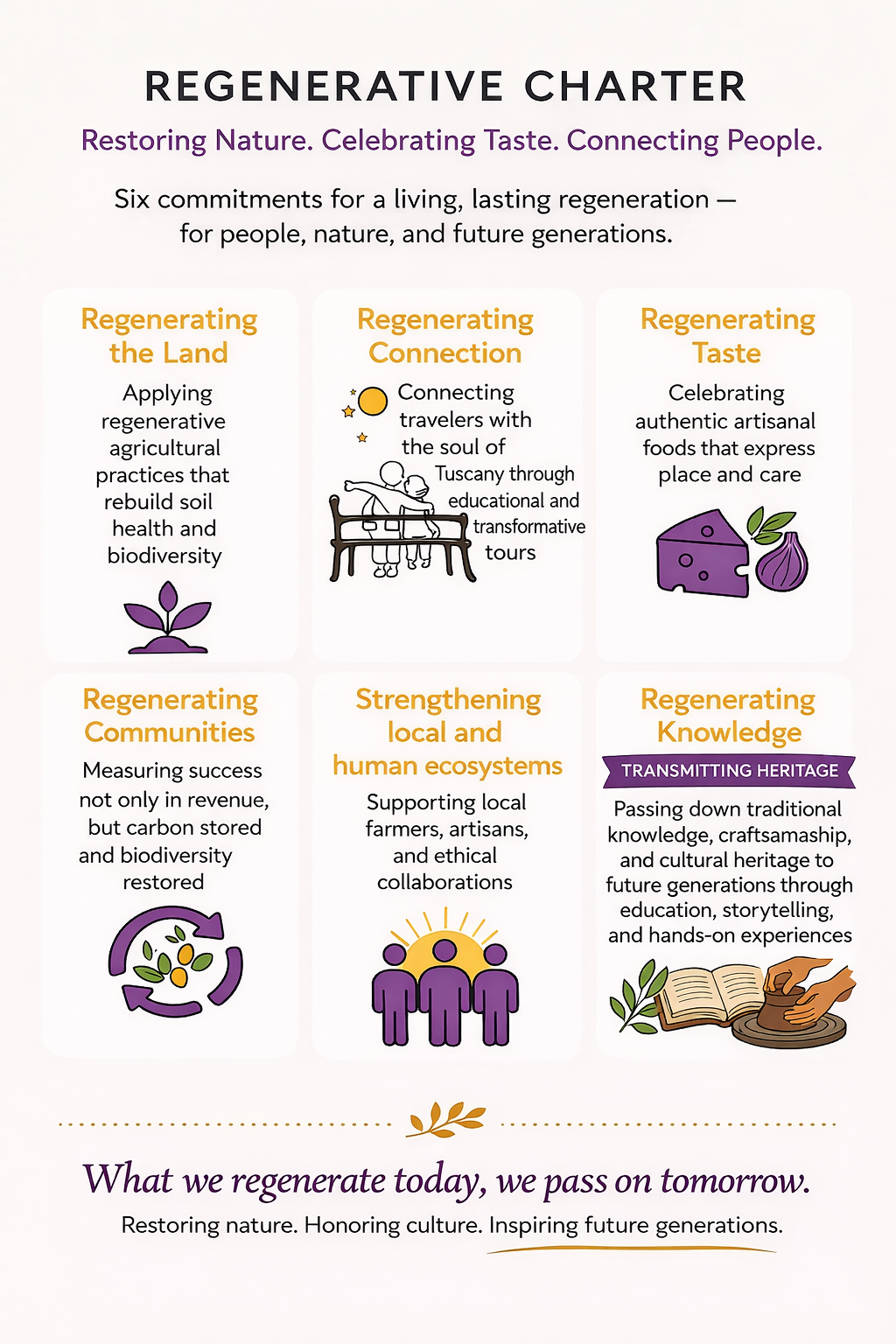
Regenerative Tuscany is Jollie’s vision for reconnecting wine tourism, artisan food culture, hospitality and agriculture in Tuscany. Through Grape Tours, Formaggioteca Terroir, Campo Sasso and Tracolle, we bring together producers, landscapes, craftsmanship and guests to keep Tuscan traditions alive while creating new value for future generations.

At Jollie, we believe that authenticity is not something to be preserved behind glass. Traditions only remain meaningful when they continue to evolve, adapt and inspire new generations.


Our vision of regeneration goes beyond agriculture. It is about reconnecting landscapes, food, craftsmanship, hospitality and people. Across Tuscany, each of our projects seeks to revive forgotten knowledge while adapting it to the realities of the twenty-first century.

Whether through wine tours that strengthen relationships between visitors and local producers, cheese-aging practices inspired by ancestral traditions, hospitality rooted in a sense of place, or agroforestry systems that restore biodiversity and resilience, we see regeneration as a continuous process of renewal.


Rather than preserving Tuscany as a museum, we aim to keep it alive—supporting the communities, traditions and landscapes that make it unique while creating new opportunities for future generations to thrive.

This is what we call Regenerative Tuscany.


Regenerative Tuscany in action

At Jollie, Regenerative Tuscany is not an abstract concept. It is expressed through concrete projects that reconnect visitors, producers, landscapes and local traditions.

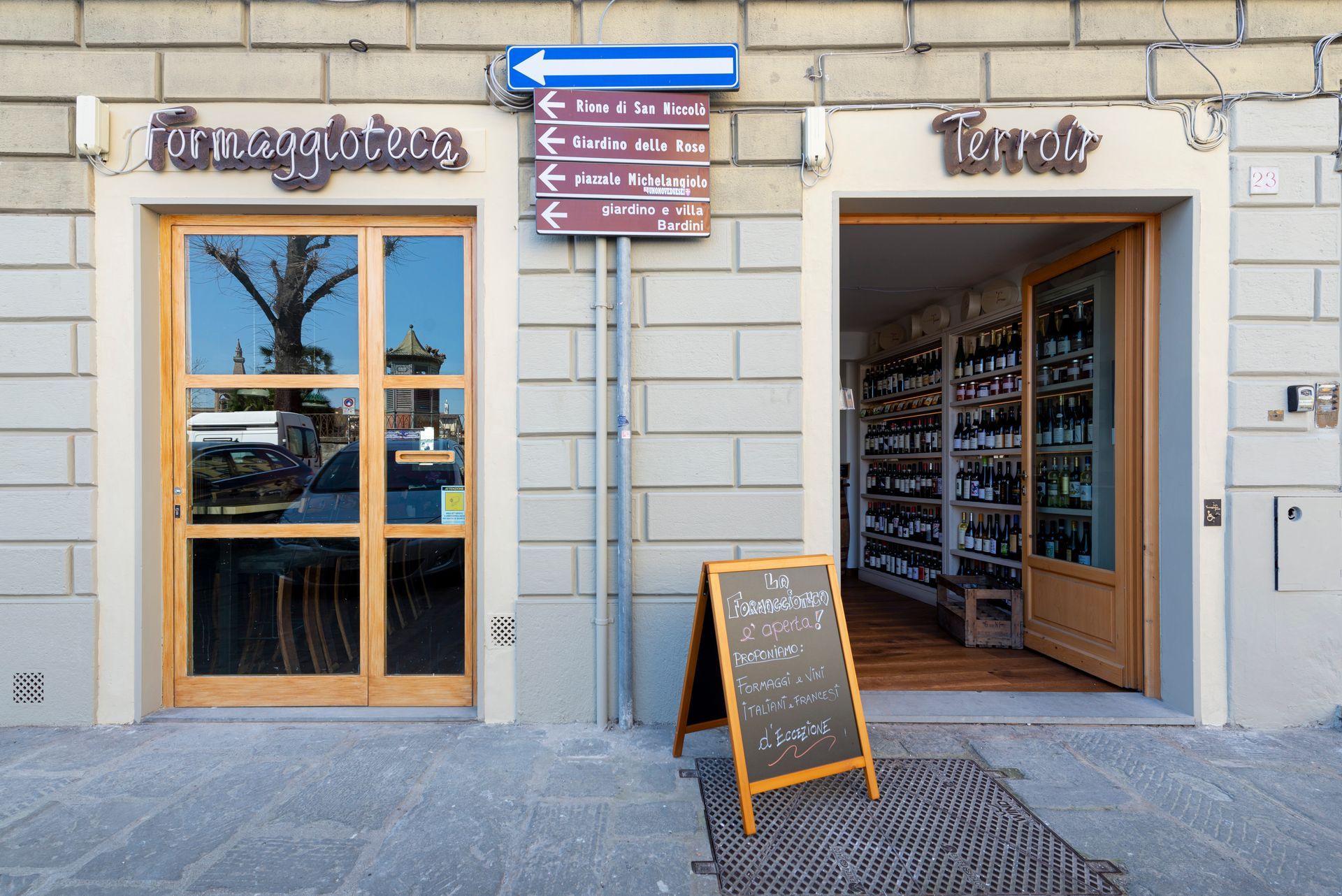
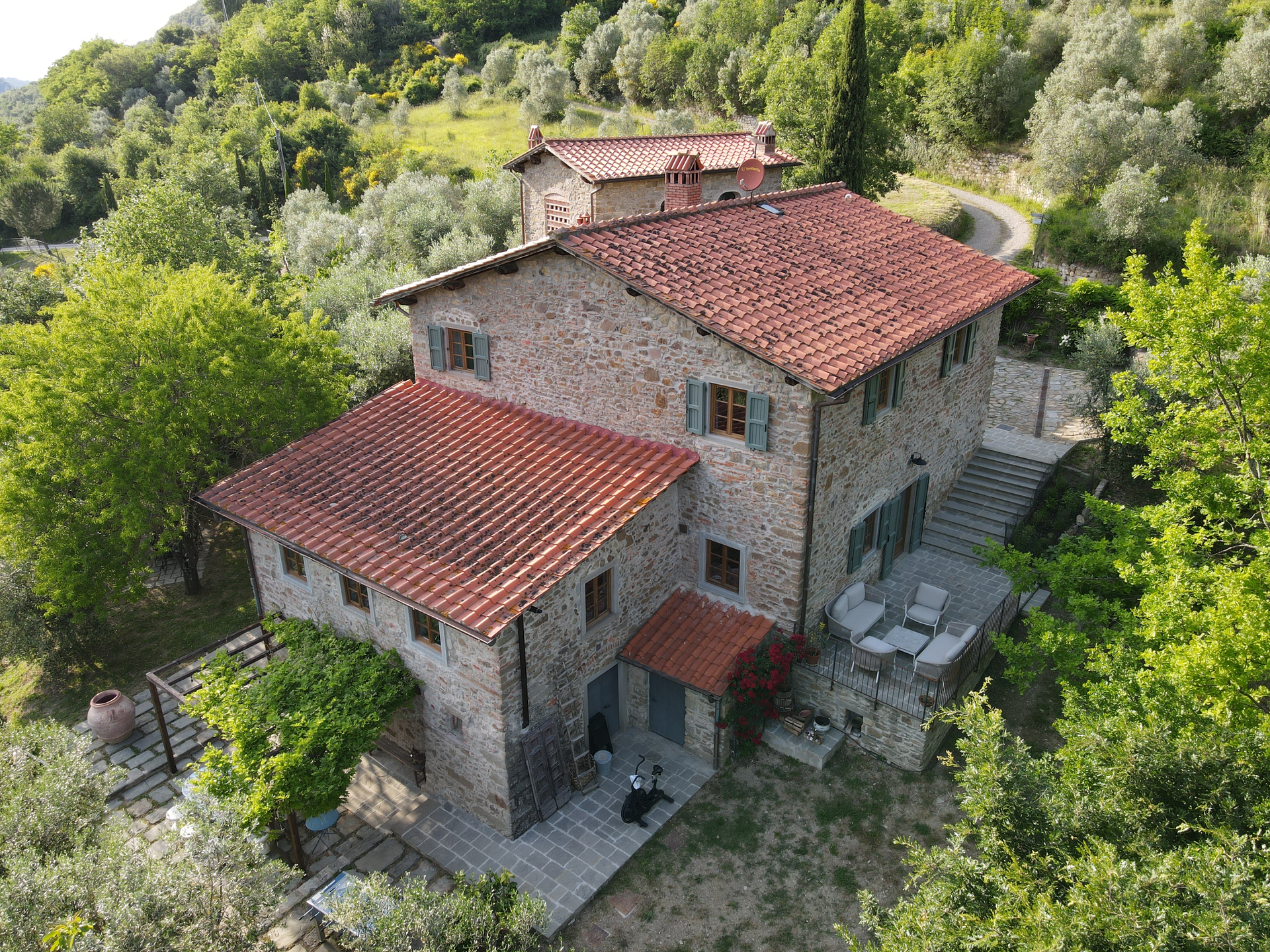
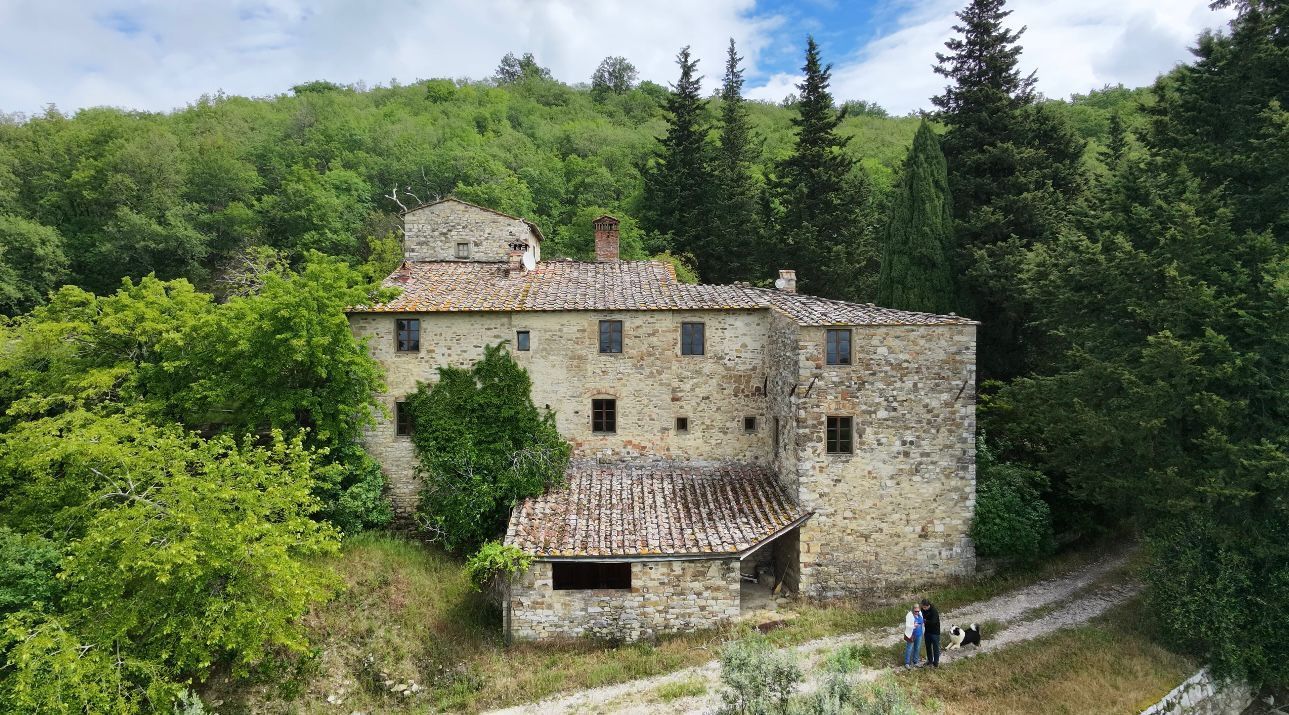
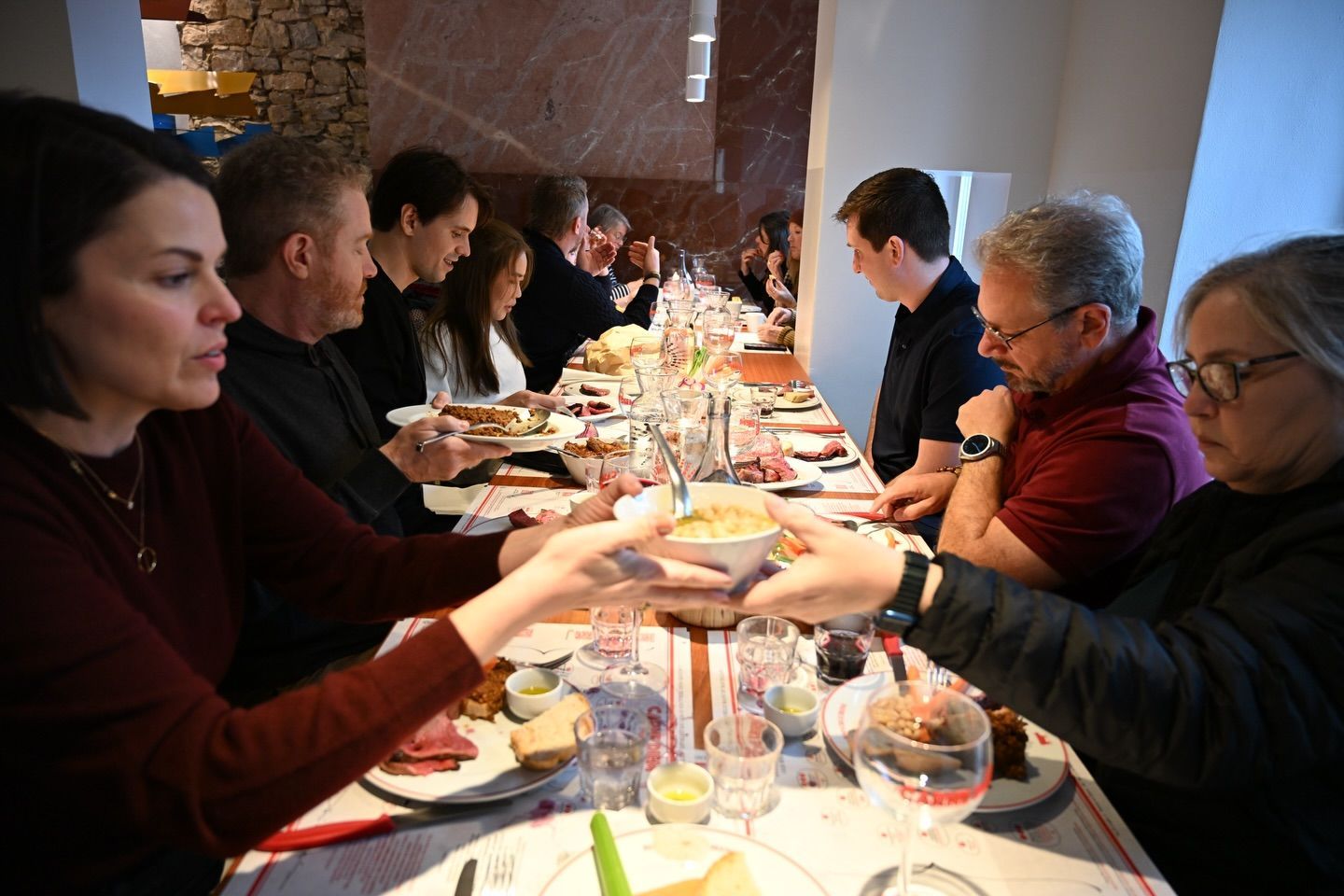
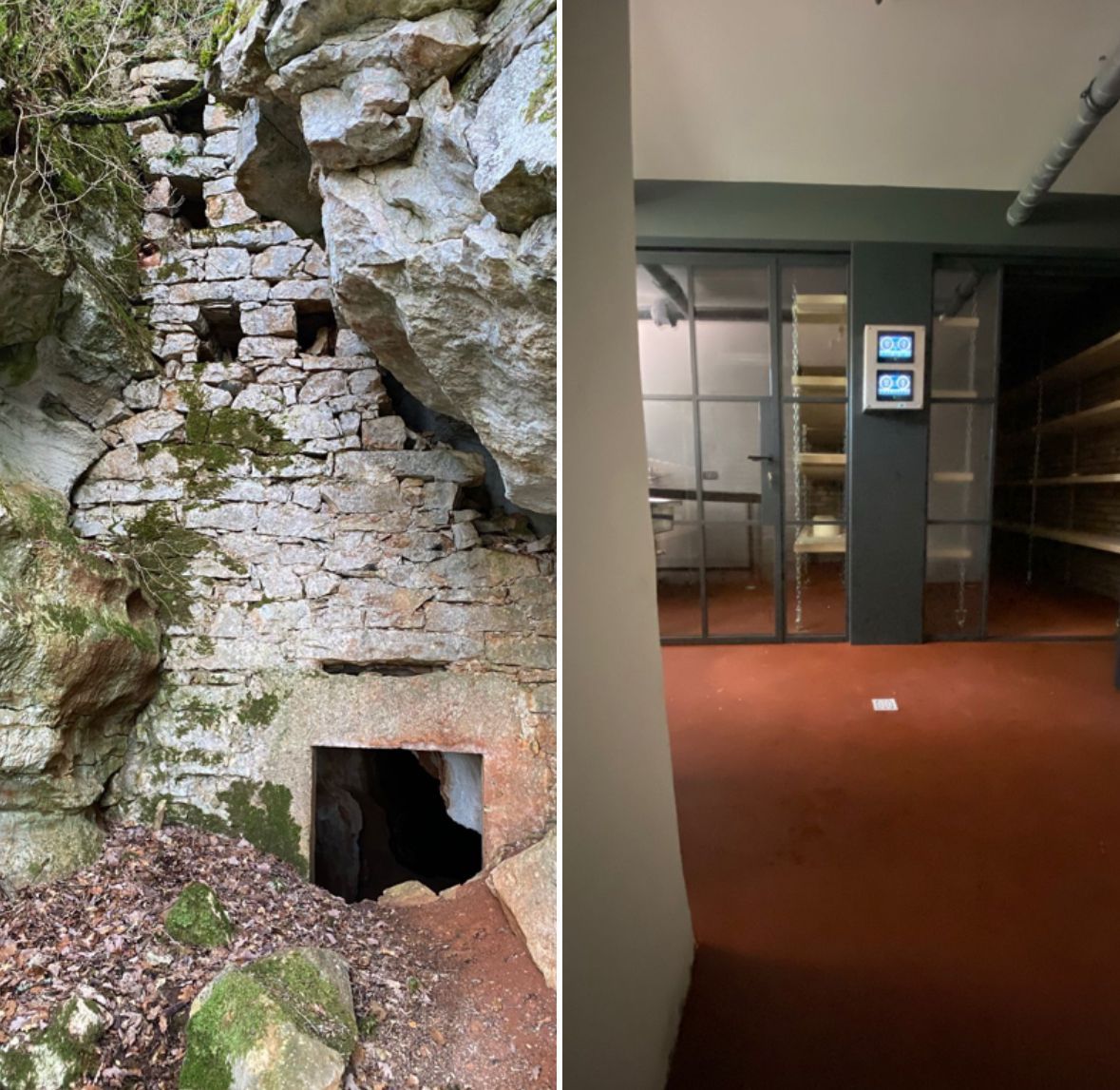
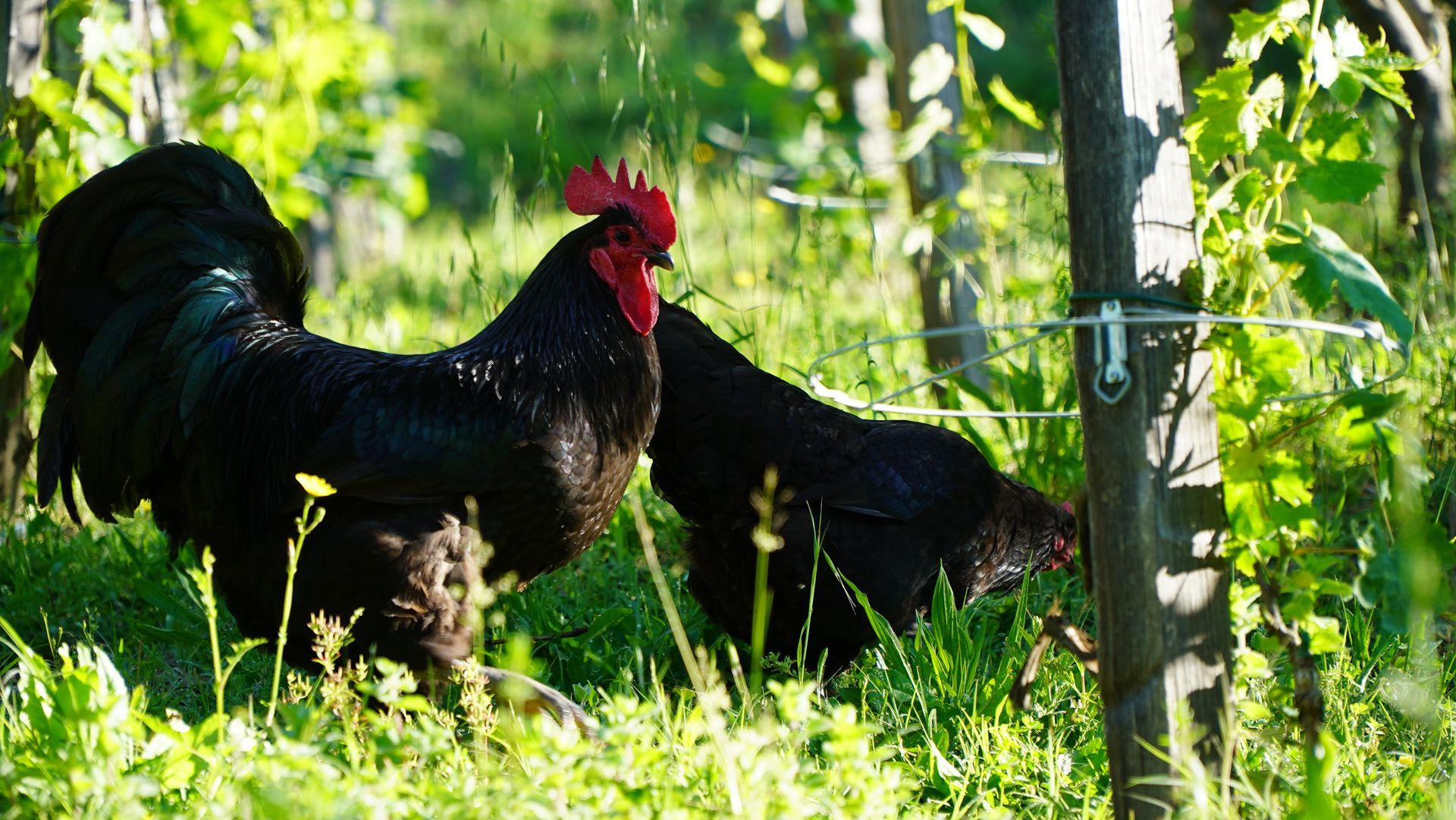
Through Grape Tours, we create small-group wine and food experiences that strengthen relationships between travelers and independent Tuscan producers. Through Formaggioteca Terroir, we regenerate the culture of cheese by sharing artisan products, guided tastings and the art of affinage. At Campo Sasso, we bring new life to a Tuscan farmstead through hospitality, cheese-aging caves, olive groves and agroforestry. With Tracolle, we are developing a farm-to-table project rooted in regenerative agriculture, animals, food education and rural hospitality.

Together, these projects form a living ecosystem where wine, cheese, agriculture, hospitality and craftsmanship support one another.


Within the Regenerative Tuscany project, wine naturally holds a central place. Yet we believe that wine can only be fully understood when it is reconnected to the wider landscape that gave it meaning. For centuries, Tuscan wine has evolved alongside local cheeses, cured meats, olive oil, seasonal cuisine and rural traditions, forming a single cultural ecosystem rather than isolated products. Our ambition is to restore these connections by placing wine back into its historical, gastronomic and human context.

Through Grape Tours, Formaggioteca Terroir and Campo Sasso, we invite guests to experience Tuscany not as a collection of tastings, but as a living heritage where food, agriculture, craftsmanship and hospitality continue to shape one another.


Across Tuscany, we develop projects that create value for communities, landscapes and future generations. Each initiative reflects our commitment to combining tradition, innovation and long-term stewardship.
Explore our regenerative Tuscany experiences:


Grape Tours — Regenerative Wine Tourism
Small-group wine tours that connect visitors with independent wineries, local producers and the wider food culture of Tuscany.


Formaggioteca Terroir — Regenerating Cheese Culture
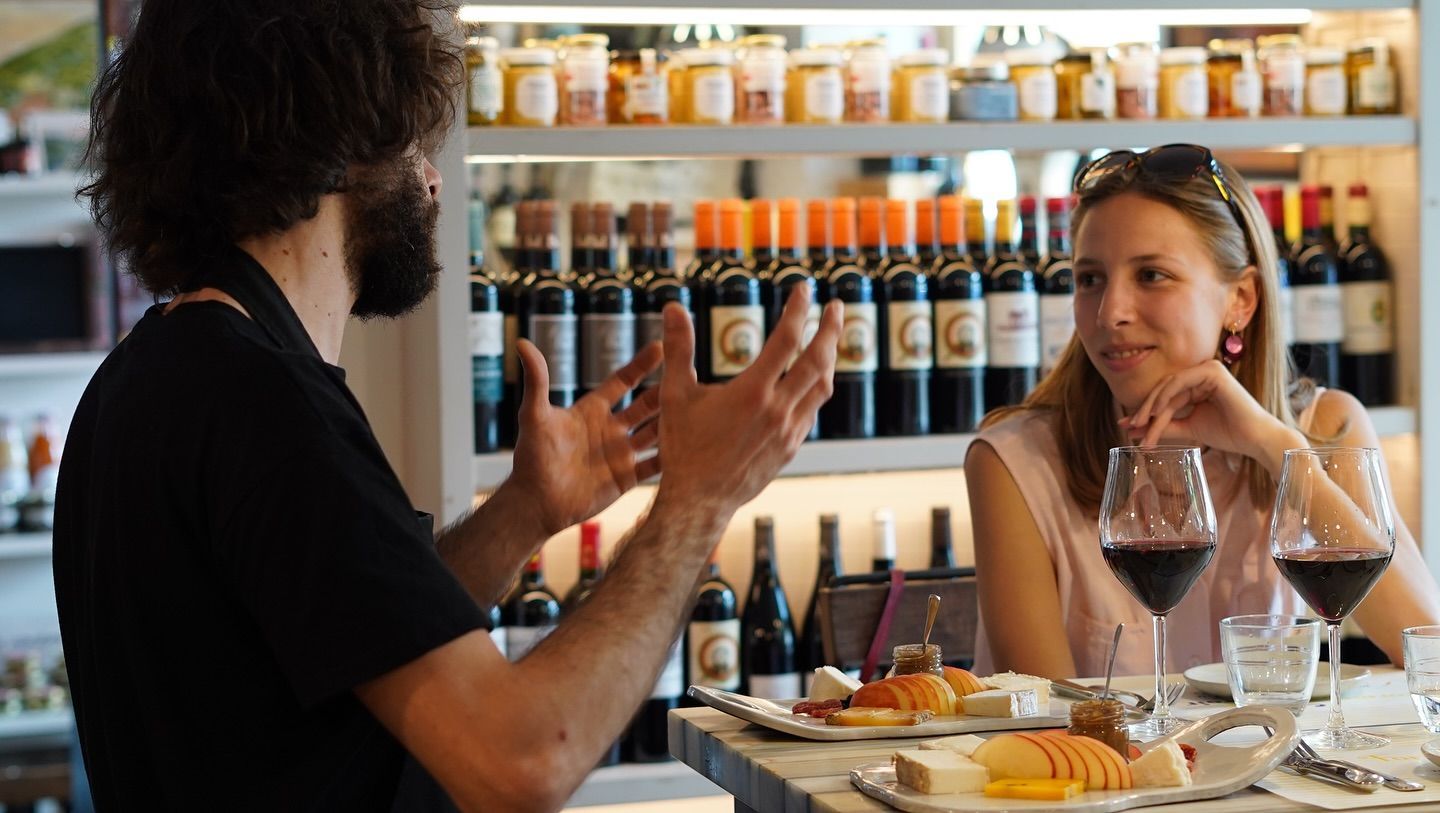
A cheese and wine bar in Florence dedicated to artisan cheese, terroir, guided tastings and the transmission of food knowledge.


Campo Sasso — Regenerative Hospitality & Cheese Ageing
A restored Tuscan farmstead where hospitality, cheese affinage, olive groves and agroforestry create a living expression of place.


Tracolle — Farm-to-Table Agriculture
A regenerative farm project designed to reconnect land, animals, food, hospitality and future generations.

Regenerative Tuscany Glossary

Regenerative Agriculture

Regenerative agriculture is a farming approach that aims to restore and enhance the health of soils, ecosystems and rural communities. Rather than simply reducing environmental impacts, it seeks to actively improve biodiversity, soil fertility, water retention and landscape resilience over time. Regenerative agriculture works with natural processes to leave the land in a better condition for future generations.


Organic Agriculture

Organic agriculture is a certified farming system that excludes the use of synthetic fertilizers, pesticides, herbicides and genetically modified organisms (GMOs). It focuses on natural methods of production, animal welfare and environmental protection while promoting healthier soils and ecosystems.


Conventional Agriculture

Conventional agriculture refers to modern farming systems that often rely on synthetic fertilizers, crop protection products, mechanization and specialized production methods to maximize yields and efficiency. While highly productive, conventional agriculture is frequently criticized for its potential impacts on biodiversity, soil health and ecosystem balance.


Biodynamic Agriculture

Biodynamic agriculture is a holistic farming philosophy developed by Rudolf Steiner in the 1920s. It views the farm as a living organism where soils, plants, animals and people interact as an integrated system. Biodynamic farming follows organic principles while incorporating specific preparations, composting methods and attention to natural and cosmic cycles.


Slow Food

Slow Food is an international movement founded in Italy in 1986 to promote food that is good, clean and fair. It seeks to protect local food traditions, biodiversity, artisanal production methods and regional culinary heritage while supporting farmers, producers and consumers who value quality over industrial standardization.


Slow Tourism

Slow tourism encourages travelers to engage more deeply with places, people and local cultures. Rather than focusing on speed or quantity of attractions visited, it emphasizes meaningful experiences, authentic encounters, local gastronomy, environmental responsibility and a slower pace of discovery.


Agroforestry

Agroforestry is the intentional integration of trees, crops and sometimes livestock within the same agricultural system. By combining different layers of vegetation and production, agroforestry can improve biodiversity, soil health, carbon sequestration, water management and landscape resilience while diversifying farm outputs.


Ecosystem

An ecosystem is a network of living organisms, people and natural resources that interact within a shared environment. In a broader social and economic context, an ecosystem can also describe a group of interconnected activities, businesses and communities that create mutual value through collaboration and shared purpose.


Tradition

Tradition is the transmission of knowledge, skills, values and cultural practices from one generation to the next. True traditions are not frozen in time; they remain relevant by adapting to changing circumstances while preserving their essential meaning and connection to place, community and heritage.


Cheese Affinage

Cheese affinage is the art and science of maturing cheese under carefully controlled conditions of temperature, humidity and airflow. During this process, which can last from a few weeks to several years, the texture, aroma and flavor of the cheese continue to evolve. Affinage requires expertise, patience and a deep understanding of each cheese's characteristics. Traditionally carried out in natural caves or dedicated aging cellars, it transforms a freshly made cheese into a product of greater complexity, identity and gastronomic value.


Farm Fed

Farm fed refers to animals whose diet is primarily produced on the farm where they are raised or sourced from nearby agricultural land. This approach strengthens the connection between livestock and the local landscape, reduces dependence on imported feed and contributes to greater transparency and sustainability. Farm-fed systems often encourage seasonal feeding practices that reflect local agricultural traditions and natural resource availability.


Farm to Table

Farm to table is an approach to food production and hospitality that seeks to shorten the distance between producers and consumers. It emphasizes the use of ingredients grown, raised or crafted locally, often with direct relationships between farmers, artisans, chefs and guests. Beyond freshness and quality, farm-to-table initiatives aim to strengthen local economies, preserve regional food traditions and reconnect people with the origins of what they eat.

FAQ about Regenerative Tuscany

What is Regenerative Tuscany?

Regenerative Tuscany is Jollie’s approach to reconnecting wine, food, agriculture, hospitality and local traditions in Tuscany. It aims to keep authentic Tuscan culture alive by supporting producers, landscapes, craftsmanship and future generations.

How is Regenerative Tuscany different from sustainable tourism?

Sustainable tourism aims to reduce negative impacts. Regenerative tourism goes further by seeking to create positive value for local communities, ecosystems, cultural traditions and visitors..

How does Jollie practice Regenerative Tuscany?

Jollie practices Regenerative Tuscany through Grape Tours, Formaggioteca Terroir, Campo Sasso and Tracolle, combining wine tours, cheese culture, hospitality, agroforestry, farm-to-table agriculture and food education.

Why is wine central to Regenerative Tuscany?

Wine is central because it connects landscape, agriculture, history, gastronomy and rural identity. Jollie places wine back into its wider cultural ecosystem alongside cheese, olive oil, local food and hospitality.