Regenerating Taste
Discovering French and Italian Cheeses Through Guided Tastings at Formaggioteca Terroir & Campo Sasso
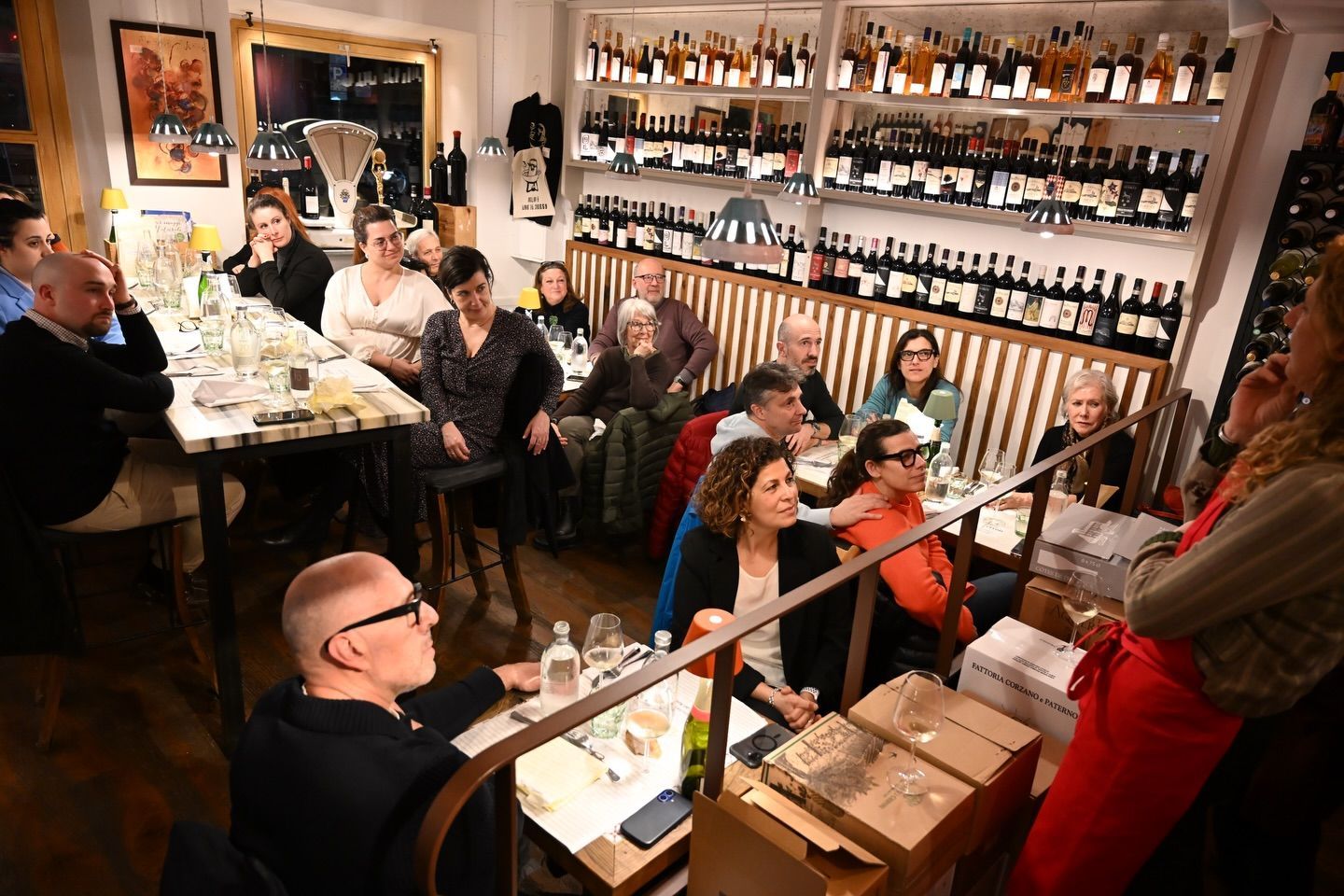
In a world where food is increasingly consumed without context, understanding a cheese has become almost as important as tasting it.
At Formaggioteca Terroir in Florence and at Campo Sasso in the hills of Chianti Classico, Pierre and Rebecca Gouttenoire have developed a different approach to cheese tasting—one that goes beyond flavors and aromas to reconnect people with the landscapes, traditions, animals, and individuals behind every wheel of cheese.
Their guided tastings invite guests to explore some of the most iconic cheeses of France and Italy, from Alpine mountain cheeses and washed-rind specialties to Pecorino, Parmigiano Reggiano, blue cheeses, and rare farmhouse productions. Yet the experience is not designed as a simple tasting session. It is an educational journey through Europe's great cheese cultures.
Each cheese becomes a story.
Guests learn how geography, climate, pasture diversity, animal breeds, and traditional techniques influence texture and flavor. They discover why a mountain cheese tastes different from one produced in coastal pastures, how seasonal changes affect milk composition, and how aging transforms a cheese over time.
At the heart of the experience lies the belief that taste is inseparable from place.
For Pierre, whose family has deep roots in the historic cheese-aging traditions of Roquefort, affinage—the art of maturing cheese—is a living cultural heritage. At Campo Sasso, visitors can explore the aging cellars where selected cheeses continue their maturation, revealing how time, humidity, and careful attention shape the final product.
The tastings also challenge many modern assumptions about food. Rather than encouraging guests to judge cheeses according to a simple scale of preference, they are invited to understand them. A strong aroma, an unusual texture, or an unexpected flavor is not presented as a defect but as the expression of a particular environment, tradition, or production method.
This approach creates what Pierre and Rebecca describe as a regeneration of the relationship between people and food.
Over the past century, industrial food systems have distanced consumers from producers, transforming products into anonymous commodities. Through storytelling, tasting, and direct sensory experience, guests are encouraged to rebuild that connection. They learn not only what they are eating, but who made it, where it came from, and why it tastes the way it does.
The result is often transformative. Visitors frequently leave with a new appreciation for artisanal products and a deeper understanding of the work required to produce them. They begin to see cheese not as a simple ingredient, but as the final expression of farming systems, ecosystems, craftsmanship, and cultural identity.
This philosophy reflects the broader vision shared by Formaggioteca Terroir, Campo Sasso, and the Jollie ecosystem: preserving authenticity not by placing it in a museum, but by making it relevant, accessible, and meaningful for contemporary audiences.
Ultimately, these guided tastings are about far more than cheese.
They are about slowing down, paying attention, and rediscovering the invisible connections that link people, land, animals, and culture. In doing so, they offer guests something increasingly rare in today's world: the opportunity to understand the true value of what is on their plate.