From Cheese to Terroir
In Brief
Affinage is not simply the ageing of cheese. It is the human art of guiding microorganisms, moisture, air, temperature and time. From natural, bloomy and washed rinds to ash, morge and blue moulds, each technique shapes the texture, aroma and identity of the cheese. This article explores the role of the affineur, the living microflora of the rind, the meaning of morger, the unique alchemy of Roquefort beneath the Combalou, and Jollie’s work at Formaggioteca Terroir and in the caves bâtardes of Campo Sasso.
Keywords: affinage, cheese maturation, affineur, cheese rind, rind microflora, morge, washed-rind cheese, ash-ripened cheese, Roquefort, Penicillium roqueforti, Combalou caves, Formaggioteca Terroir, Campo Sasso
From Cheese to Terroir
Making the curd is only the first stage in the life of a cheese.
Once the cheese leaves the dairy, another transformation begins. Its proteins, fats, moisture and microorganisms continue to evolve. Texture changes. Aromas deepen. The rind becomes a living surface.
This process is called affinage.
Affinage is often translated simply as ageing, but this is misleading. Ageing suggests waiting. Affinage requires action.
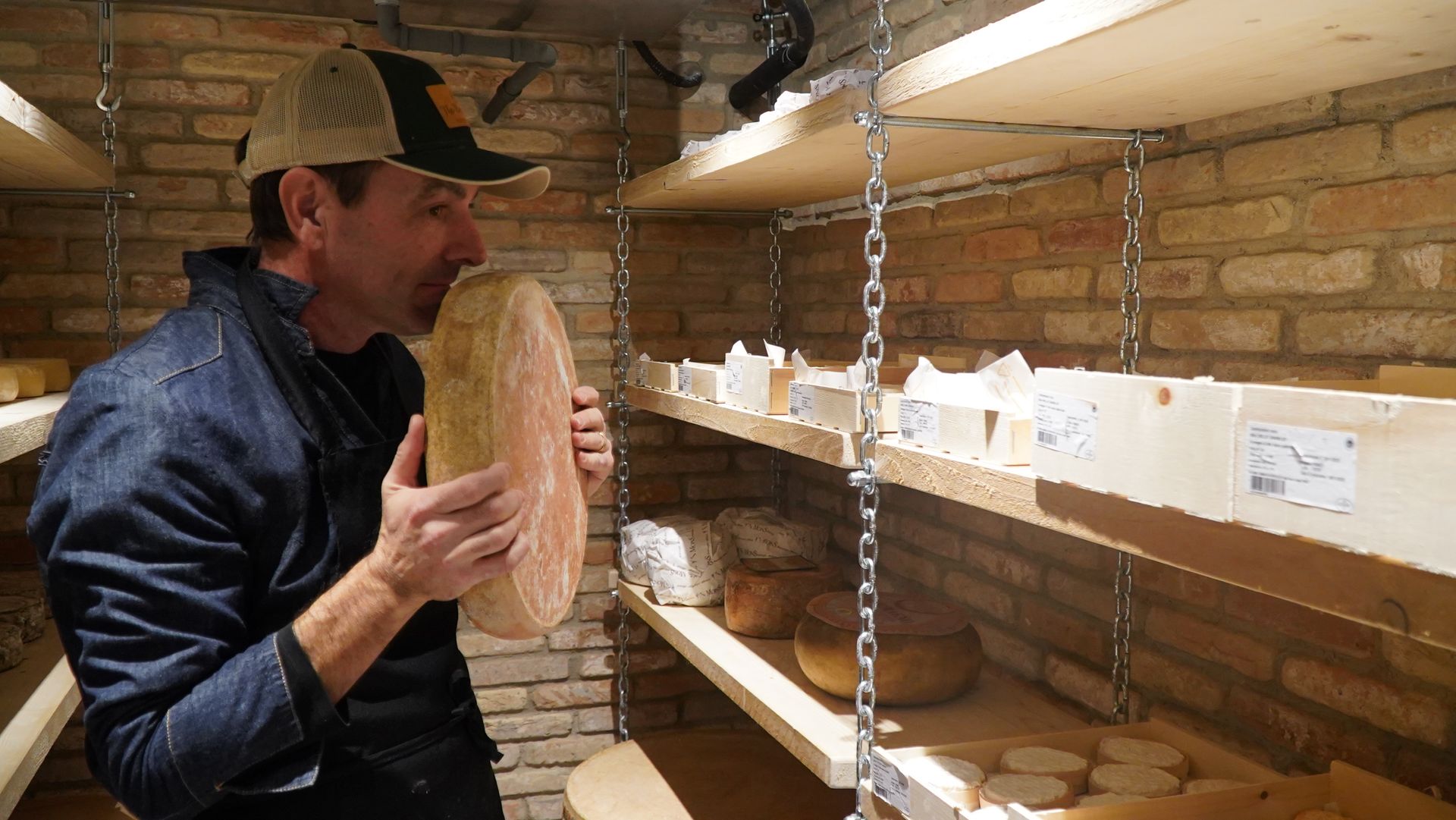
The affineur does not merely store cheese. The affineur observes, turns, washes, brushes, moves, touches and interprets it.
Guiding Microorganisms and Time
During maturation, enzymes and microorganisms gradually transform the structure of the cheese.
Proteins break down into smaller compounds, changing the texture of the paste and producing new flavours. Fats are transformed into aromatic molecules that may evoke butter, mushrooms, nuts, cellar earth, flowers, spices or animals.
These transformations depend on several factors:
- temperature;
- humidity;
- ventilation;
- salt;
- acidity;
- surface treatment;
- microbial populations;
- and time.
A cheese matured in a dry cellar will evolve differently from the same cheese kept in a humid one. A surface that is washed will encourage different microorganisms from one that is brushed or left to develop a white mould.
The affineur creates the conditions in which certain transformations become possible.
The Rind Is a Living Ecosystem
The rind is not simply the exterior of a cheese. It is a complex microbial ecosystem.
Bacteria, yeasts and moulds live on the surface and interact with one another. Some consume acids. Others break down proteins and fats. Some produce pigments, aromas and protective compounds.
The microbial life of the rind can progressively modify the paste beneath it.
In bloomy-rind cheeses, the white surface flora reduces acidity near the rind and softens the cheese from the outside towards the centre.
In washed-rind cheeses, bacteria and yeasts create more humid, aromatic surfaces and may produce orange, pink or reddish colours.
In natural-rind cheeses, a more diverse community develops through contact with the cellar and the surrounding environment.
The rind is therefore not packaging. It is part of the cheese itself.
What Does It Mean to Morger a Cheese?
The French verb morger describes the repeated treatment of the surface of a cheese during maturation, generally through washing, rubbing or brushing with a liquid known as the morge.
The morge is often based on brine. It may also contain selected microbial cultures or progressively acquire microorganisms from the cheese, the cellar, wooden boards, tools and previous washing cycles.
In some traditions, wine, beer, spirits or herbs may be added, but the principal purpose of the morge is not to perfume the cheese. Its primary role is to shape the microbial life of the rind.
To morge a cheese is therefore not simply to wash it.
The affineur applies the liquid, redistributes the microorganisms across the surface and controls the balance between desired and unwanted flora.
Repeated washing helps suppress certain moulds while encouraging yeasts and bacteria that tolerate salt and humidity.
These microorganisms modify the surface acidity and produce enzymes that act on the paste. As a result, the cheese may become more supple, aromatic and complex.
The strong aromas associated with washed-rind cheeses are not signs of uncontrolled decomposition. When the process is properly managed, they are the expression of a carefully maintained microbial ecosystem.
Morger is therefore a technical gesture, repeated over time, through which the affineur guides the rind and indirectly transforms the interior of the cheese.
Ash: More Than Decoration
Ash has long been used in cheesemaking and affinage.
Historically, vegetable ash may have helped protect the surface, absorb moisture and reduce stickiness. It could also help preserve a curd until more milk became available.
Today, food-grade vegetable charcoal is often used more deliberately.
Its dark colour creates a strong visual contrast, especially on goat cheeses, but its function is not only aesthetic. Ash can modify surface conditions, reduce acidity at the rind and encourage the development of desired microorganisms.
The famous dark line inside Morbier recalls an older practice of separating curds produced at different milkings.
Ash demonstrates how a simple material can become part of a sophisticated technological and cultural tradition.
The Work of the Affineur
A cellar does not produce a great cheese by itself.
It provides conditions, but those conditions must be interpreted.
The affineur must decide:
- when to turn the cheese;
- when to wash or brush it;
- whether to increase or reduce humidity;
- how much ventilation is needed;
- when a rind is developing too quickly;
- when unwanted moulds must be controlled;
- when the cheese should be moved;
- and when it has reached its best balance.
A cheese that dries too quickly may crack. Excessive humidity may create unwanted growth. Poor turning can distort the shape or create uneven moisture.
Two cheeses from the same production batch may also evolve differently.
This is why affinage cannot be reduced entirely to standard measurements. Temperature and humidity are important, but touch, smell, sight and experience remain essential.
Affinage is both technical and sensory.
Roquefort: An Alchemy Beneath the Combalou
Roquefort provides one of the clearest examples of the relationship between milk, microorganisms, place and human knowledge.
For Pierre Gouttenoire, it also has a deeply personal meaning through his family roots in the Roquefort region.
Roquefort is made from sheep’s milk and owes its blue-green veining to Penicillium roqueforti. But the milk and the mould alone are not enough.
The cheese must mature in the natural caves beneath the Combalou rock formation at Roquefort-sur-Soulzon.
The geological collapse of part of the limestone plateau created a network of fissures and natural ventilation channels known as fleurines. These openings allow air to circulate between the caves and the exterior.
The resulting environment is cool, humid and naturally ventilated.
After the cheeses are pierced, oxygen enters the paste and allows the mould to develop inside. The interaction between air, moisture, salt, milk and Penicillium roqueforti gradually creates the texture and aromatic intensity of Roquefort.
The cheese is therefore the result of an alchemy between:
- sheep’s milk;
- the cheesemaker;
- Penicillium roqueforti;
- salt;
- piercing;
- oxygen;
- the natural caves;
- the fleurines;
- the affineur;
- and time.
Remove one of these elements and the result may still be an excellent blue sheep’s-milk cheese, but it will not be Roquefort.
Roquefort shows that terroir is not limited to soil or climate. It can also include geology, architecture, microorganisms, inherited gestures and collective knowledge.
Formaggioteca Terroir: Cheese as Culture
At Formaggioteca Terroir in Florence, cheese is not presented as a generic product or as a simple accompaniment to wine.
Each cheese represents a territory, a technique, an animal, a microbial ecosystem and a human story.
Through guided tastings, direct relationships with producers and careful attention to serving conditions, Formaggioteca Terroir seeks to help guests understand what they are eating.
This also means challenging simplistic assumptions.
A powerful red wine is not automatically the ideal partner for every cheese. Tannins, salt and milk proteins can sometimes create difficult combinations. White wines, oxidative wines, sweet wines, beers or ciders may offer more precise pairings.
The purpose is not to impose fixed rules. It is to restore knowledge to the act of tasting.
The Caves Bâtardes of Campo Sasso
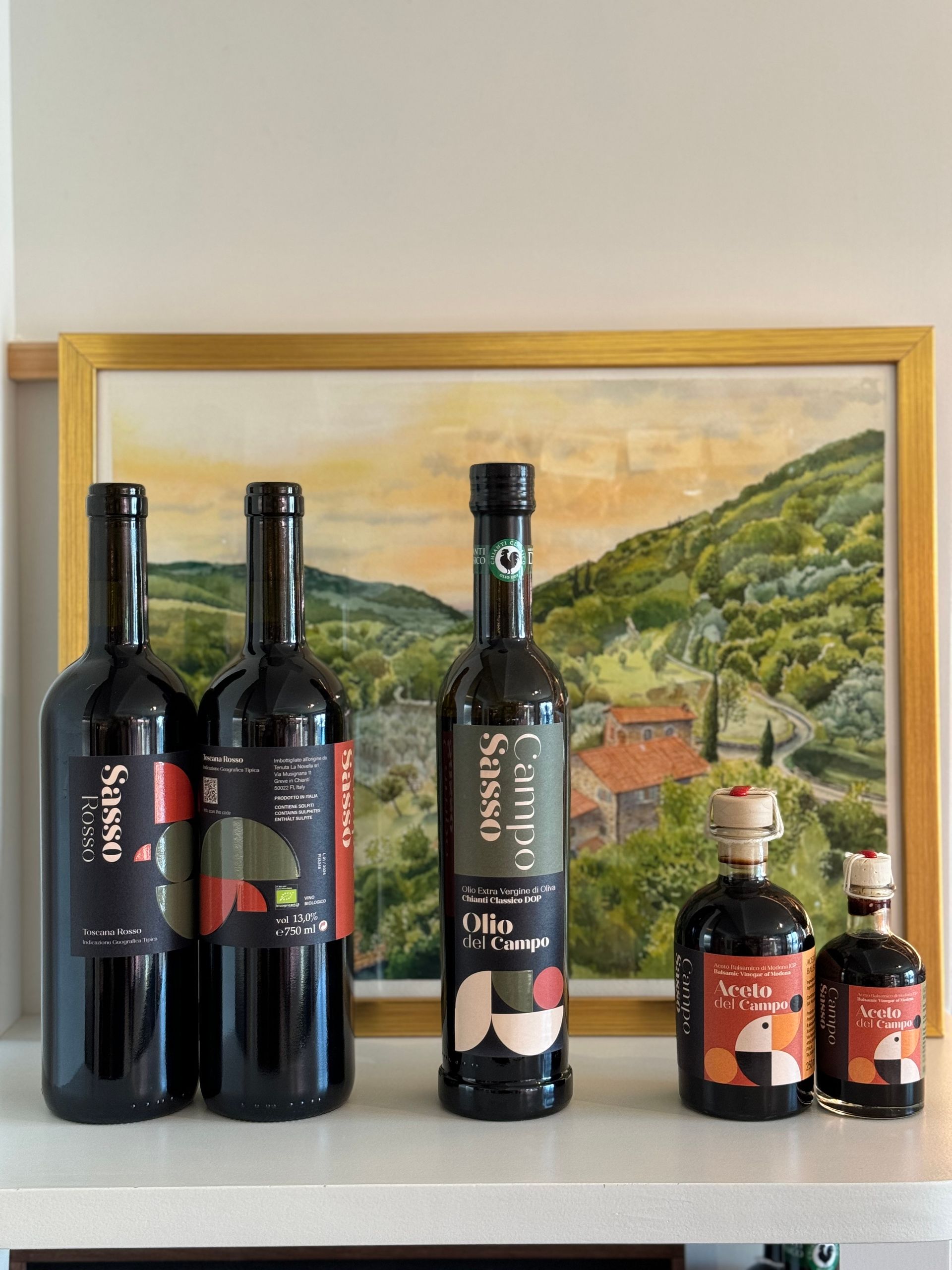
At Campo Sasso, Jollie has developed what Pierre calls the caves bâtardes.
The expression is intentional.
These are hybrid maturation cellars inspired by several European affinage traditions without pretending to reproduce a historic cave or protected denomination.
They are not the caves beneath the Combalou. They are not Alpine cellars or Loire limestone galleries.
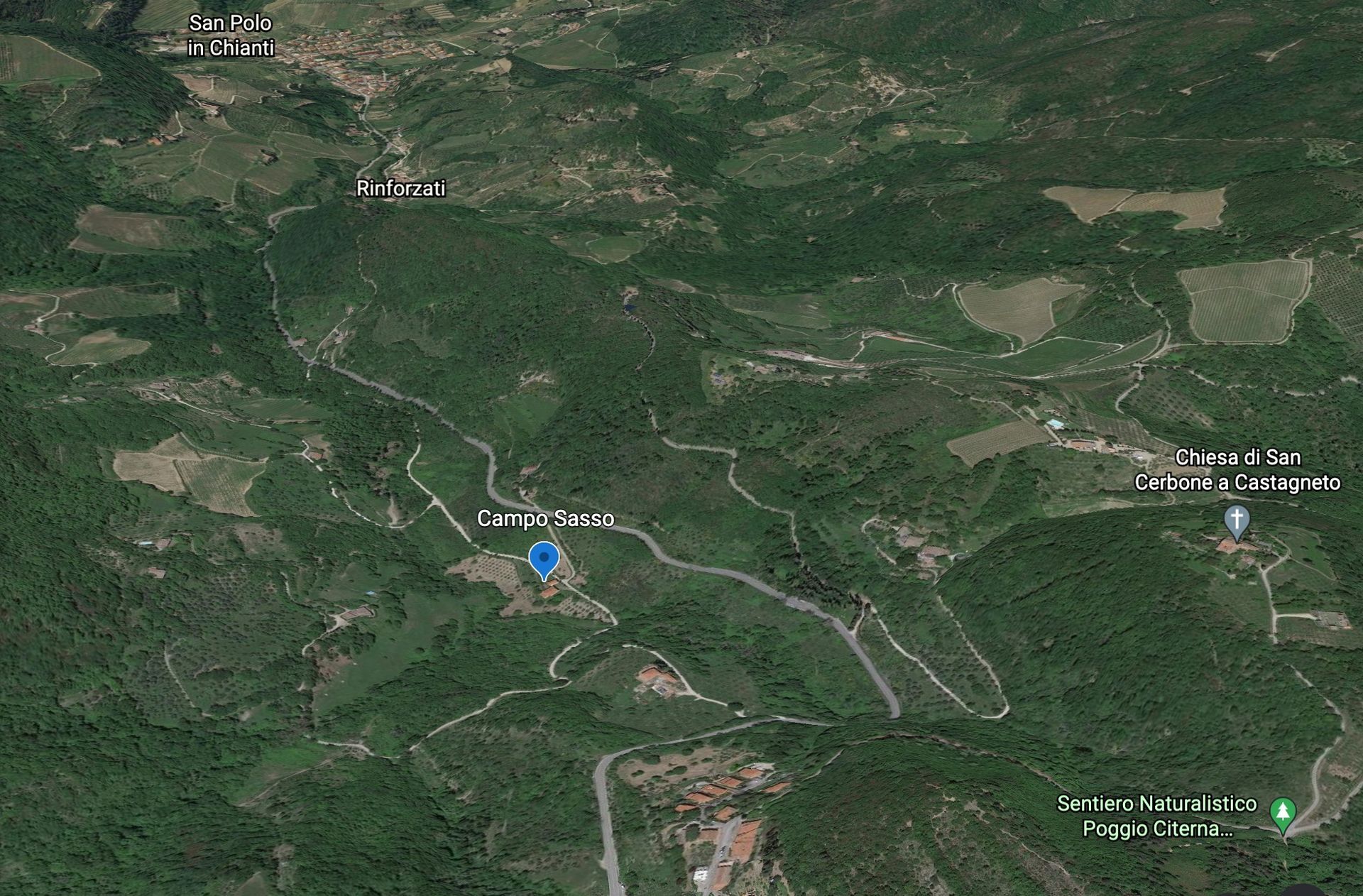
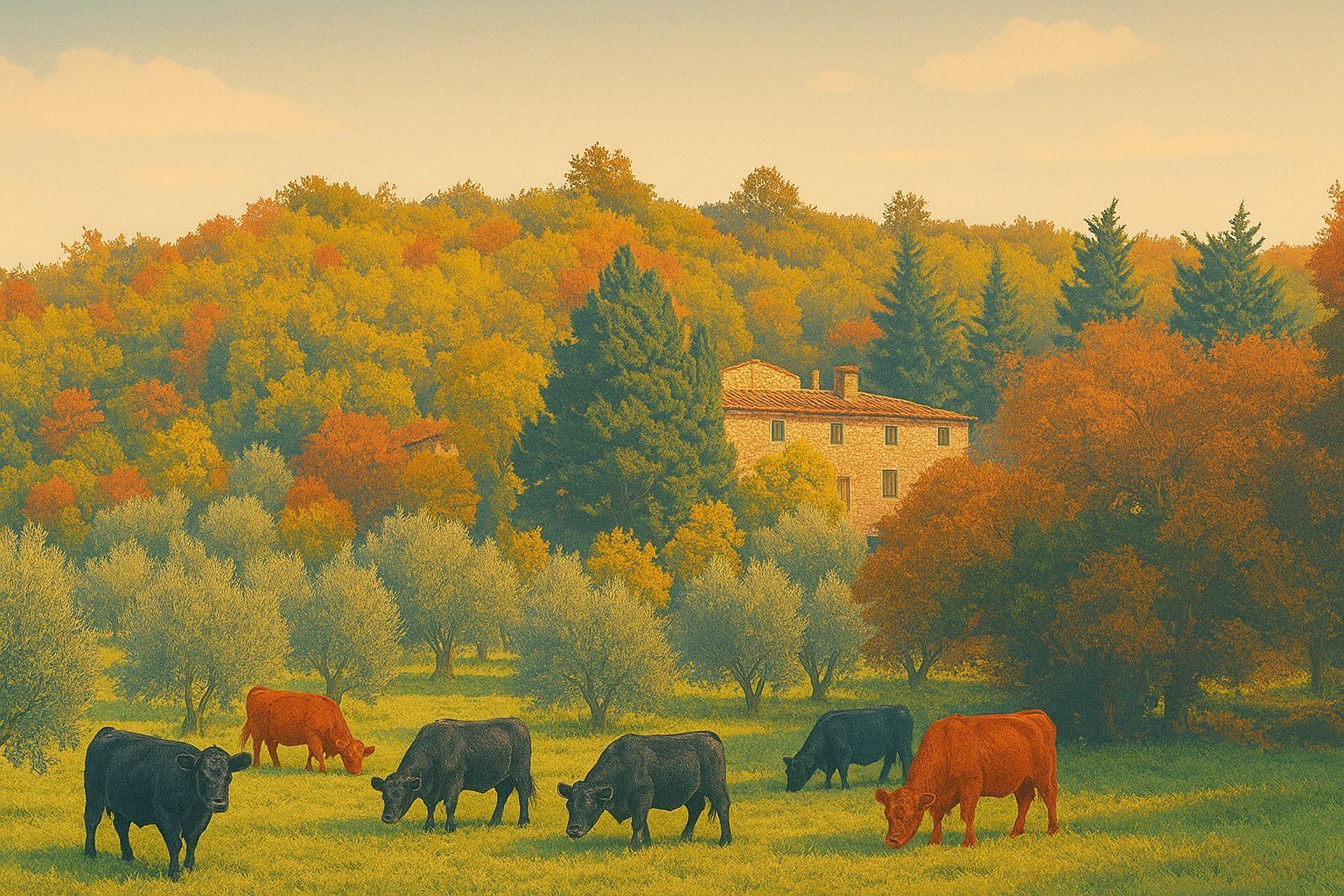
They belong to Campo Sasso, in the hills of Chianti Classico.
Their identity comes from adaptation.
Temperature, humidity, ventilation and surface care are managed according to the needs of different cheeses. Some develop natural rinds. Others are washed, rubbed, covered with ash or guided towards a specific surface flora.
The aim is not to disguise the original cheese or overwhelm it with artificial flavour.
The objective is to accompany its evolution, strengthen its balance and reveal qualities already present in the milk and curd.
In this sense, the affineur works in continuity with the cheesemaker.
Cheese as Human Heritage
Cheese began as a practical response to the fragility of milk.
Over thousands of years, this necessity became craftsmanship, gastronomy and culture.
Human beings learned how to guide bacteria, yeasts and moulds. They learned to use acidity, salt, ash, heat, pressure and air. They transformed caves, cellars and wooden shelves into environments for maturation.
The microbial world is essential, but microorganisms do not create cheese alone.
The animal produces the milk. The landscape influences it. Microbes transform it. Time deepens it.
Human beings give the process direction.
This is the vision that Jollie seeks to preserve and regenerate through Formaggioteca Terroir, Campo Sasso and its wider work around food, wine and hospitality.
Cheese does not exist by nature.
It exists because human beings have learned how to transform one of nature’s most fragile foods into one of civilisation’s most enduring expressions.
About the author: Pierre Gouttenoire is an agricultural engineer, oenologist and cheese affineur. He co-founded the Jollie ecosystem in Tuscany and oversees its wine, food and regenerative agriculture projects.