Agroforestry in Tuscany: The Campo Sasso Vineyard
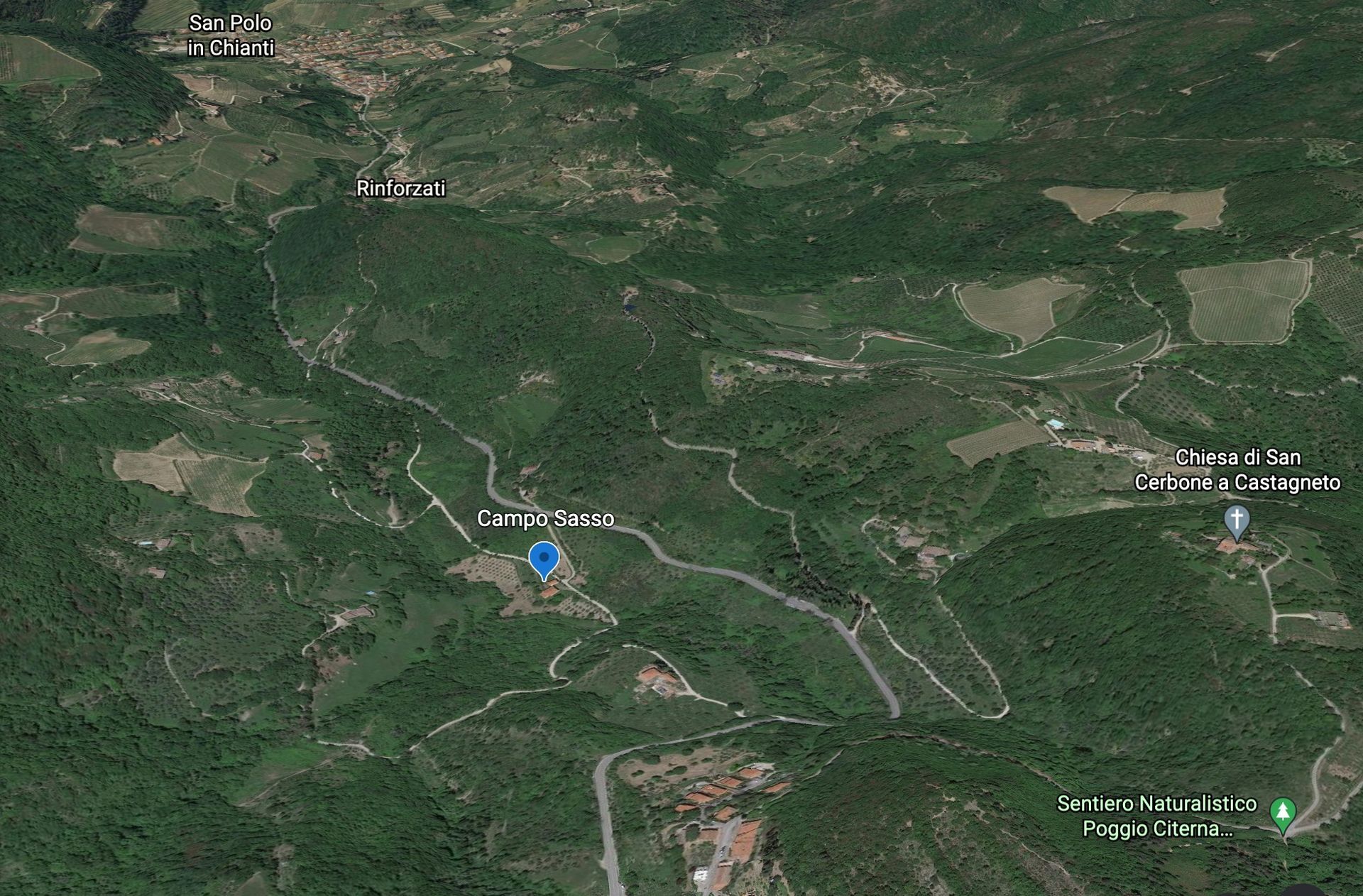
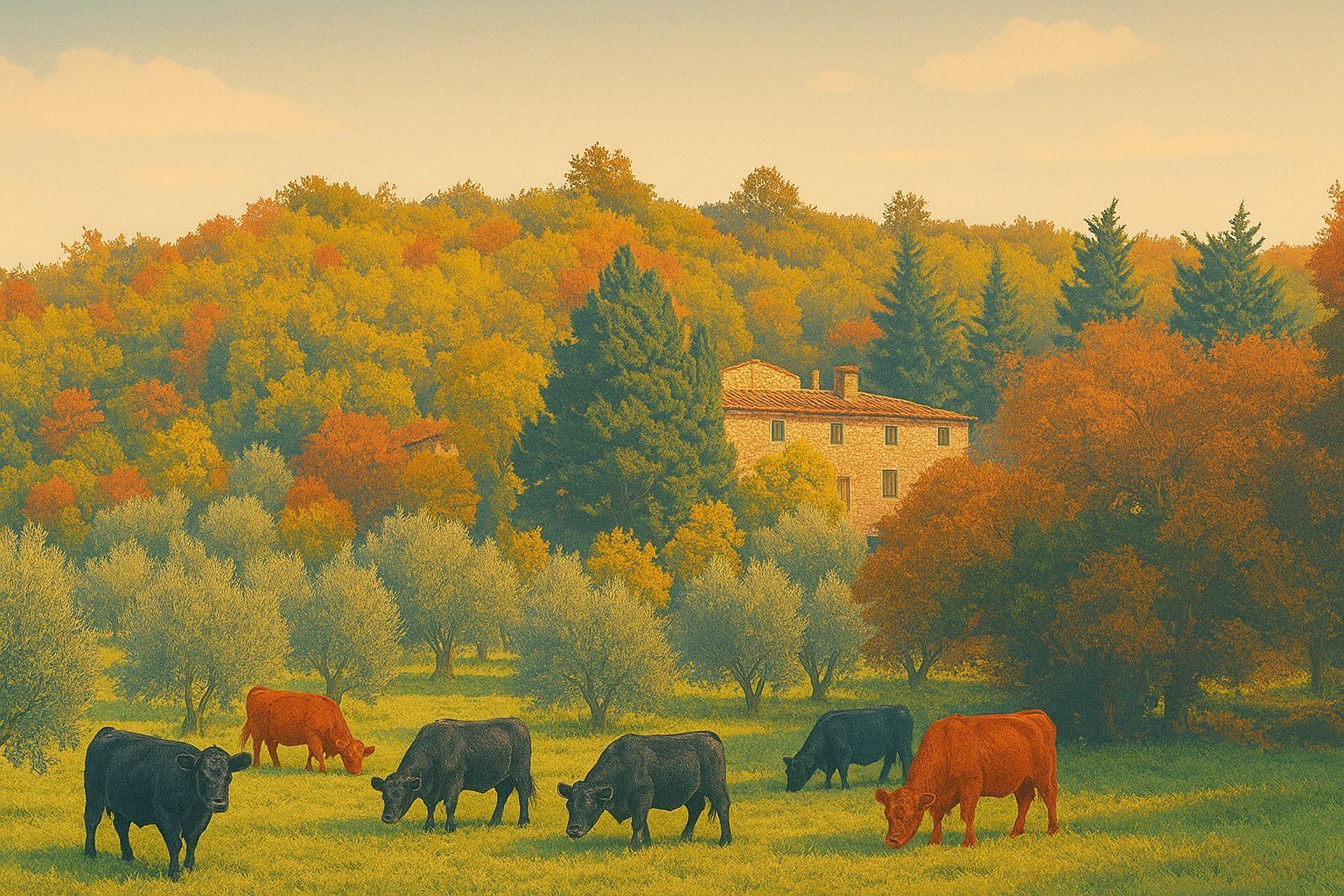
At Podere Campo Sasso, Pierre Gouttenoire draws inspiration from an agricultural tradition deeply rooted in the history of Tuscany: coltura promiscua. Once characteristic of the Tuscan sharecropping landscape, this system combined vineyards, fruit trees, olive trees, cereals, and livestock within the same plot to create a productive, resilient, and balanced ecosystem.
Far from being a simple historical reconstruction, the Campo Sasso project offers a contemporary interpretation of this diversified farming model. At the heart of the orchard, four grape varieties of complementary origins and characteristics have been planted: Mediterranean Zibibbo, Assyrtiko from the Greek islands, Riesling from more northern climates, and Petit Manseng from southwestern France. The vines are planted in a two-dimensional pattern, following a repeating sequence every 1.2 meters, encouraging both genetic diversity and the individual expression of each variety.
The vines grow among olive trees as well as peach, apricot, pear, apple, and persimmon trees, alongside an old cherry tree that bears witness to the history of the site. This botanical diversity enriches biological interactions, creates multiple layers of vegetation, and provides food resources for beneficial wildlife throughout the year.
The soil is maintained under permanent natural ground cover. This spontaneous vegetation protects soil structure, supports microbial life, and improves water infiltration. The space is also shared by hens and a rooster, which contribute to the ecological dynamics of the vineyard-orchard system by consuming insects, seeds, and organic matter.
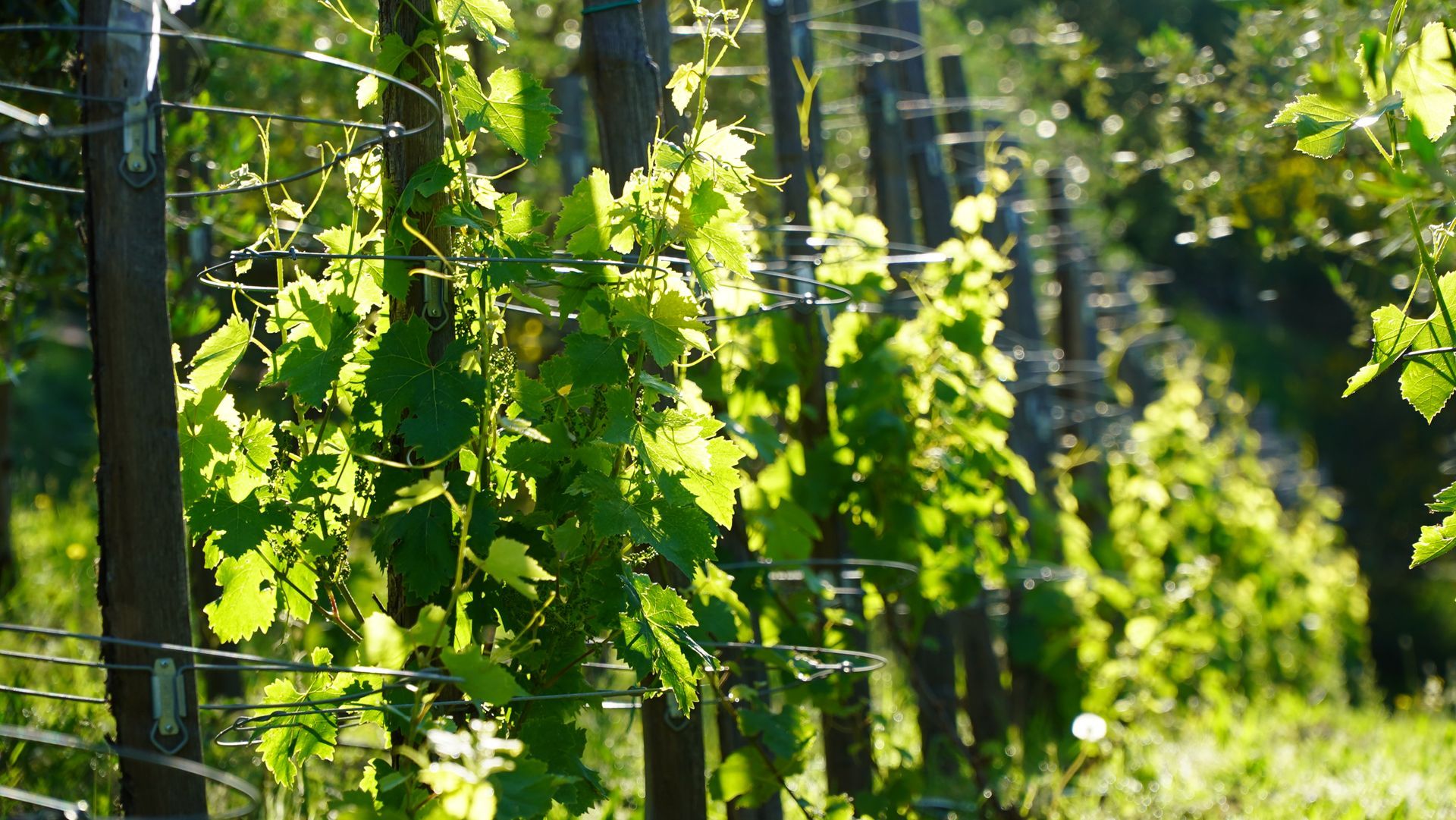
Each vine is trained according to the Guyot pruning system. The vines initially develop around an individual stake. Stainless steel hoops are then used to guide and channel canopy growth before it gradually expands into the surrounding trees. This original architecture establishes a dialogue between vine and tree, reviving the spirit of the ancient married-vine systems while preserving the management and observation requirements of modern viticulture.
At Campo Sasso, the vine is not isolated within a monoculture. It is part of a living whole where fruit trees, olive trees, ground cover vegetation, poultry, and varietal diversity interact in the search for balance. This approach restores the vine to its natural place within a complex agricultural ecosystem, remaining faithful to the spirit of coltura promiscua while addressing contemporary challenges of resilience and biodiversity.
Follow this link to visit our Agroforestry Vineyard at Campo Sasso
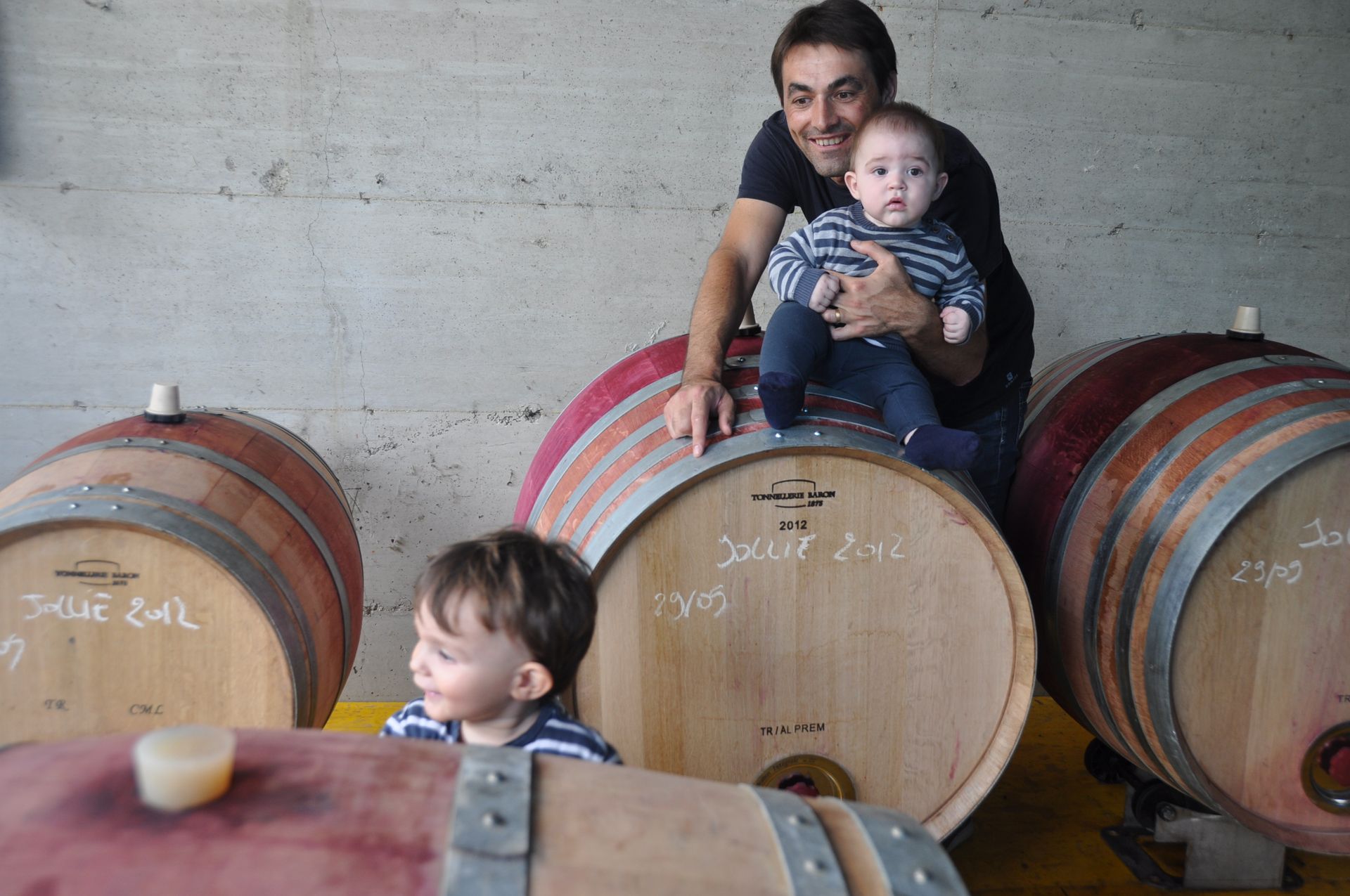
About the author: Pierre Gouttenoire is an agricultural engineer, oenologist and cheese affineur. He co-founded the Jollie ecosystem in Tuscany and oversees its wine, food and regenerative agriculture projects.