Wine at the Heart of Regenerative Tuscany: Beyond the Standard Winery Visit
In Brief
Wine tourism in Tuscany should go beyond cellar tours, technical explanations and standard tastings. A meaningful experience connects wine to the soil, landscape, food, rural history and people who bring it to life. Through its vision of Regenerative Tuscany, Jollie advocates for wine tourism that educates, inspires and creates deeper relationships between visitors, producers and local communities. Wine should not be presented merely as a product, but as a living bridge between Tuscany’s heritage and its agricultural future.
In Tuscany, wine has always been more than a drink. It is a landscape, a memory, a language, a relationship between people and place.
Yet, in many wine tourism experiences today, the story of wine is often reduced to a predictable sequence: a short walk through the vines, a visit to the cellar, a few technical words about fermentation and oak barrels, followed by three small tastings in a standard glass.
This format may explain how wine is made. But it often fails to explain why wine matters.
It is no longer enough to show a piece of vineyard, point at a few tanks and pour three small glasses of wine. The people welcoming visitors must also bring something deeper: presence, sincerity, knowledge and soul.
At Jollie, through our vision of Regenerative Tuscany, we believe that wine deserves to be placed back at the centre of a much wider conversation: the history of rural communities, the evolution of agricultural landscapes, the survival of local knowledge, the relationship between food and wine, and the future of farming in a changing world.
Wine Is Not Just Made in the Cellar
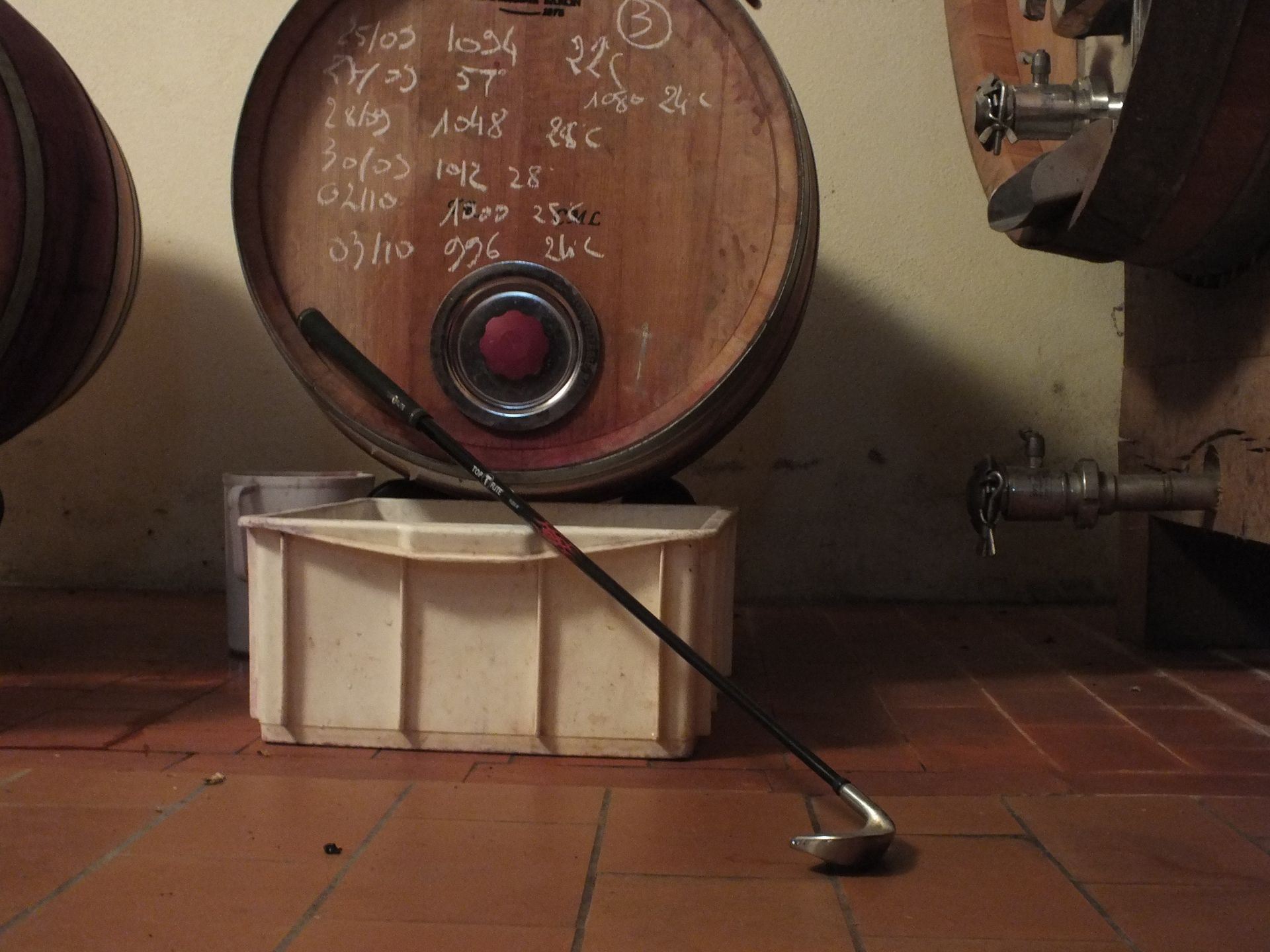
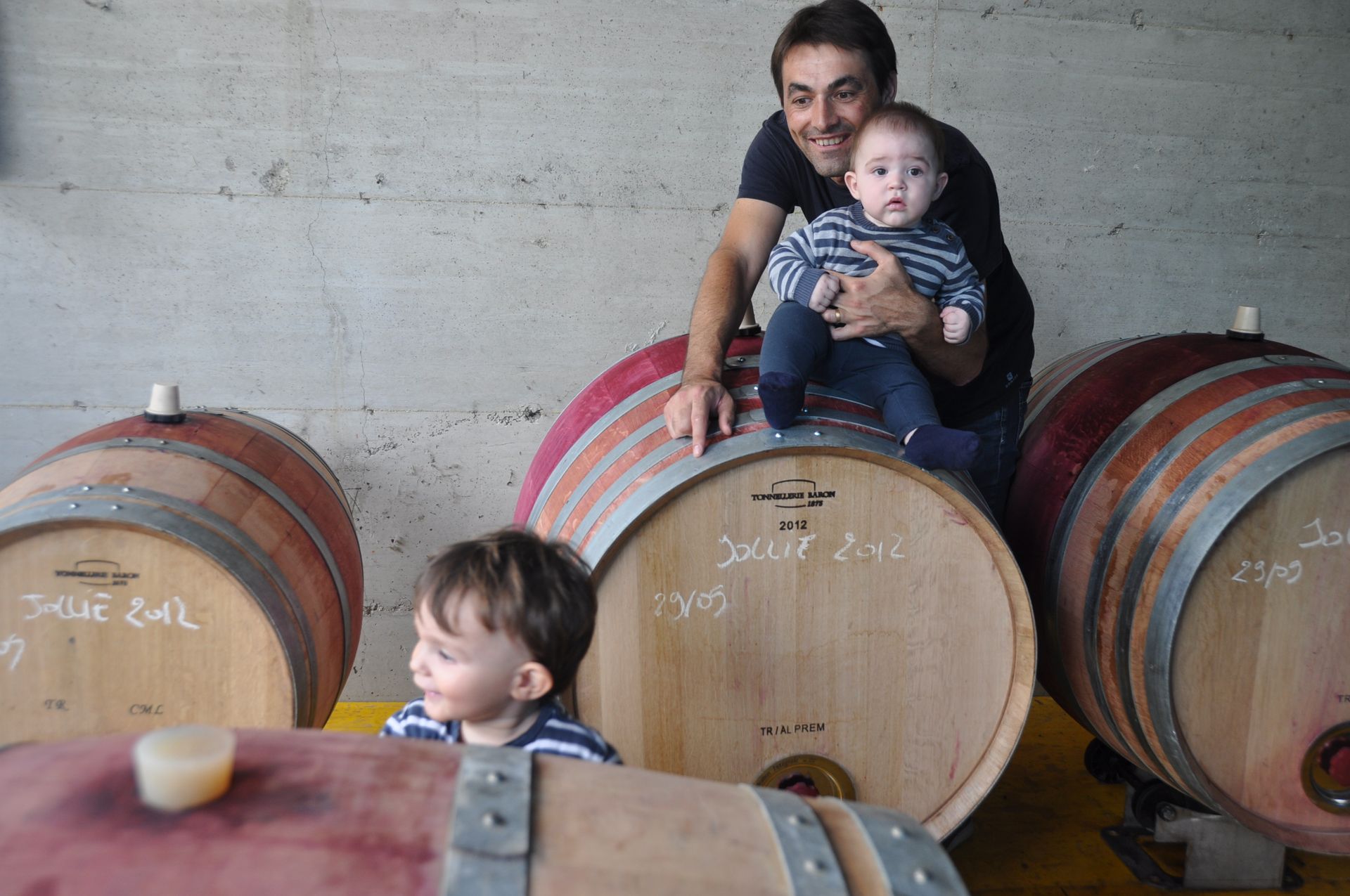
Too often, winery visits focus almost entirely on the journey of the grape once it enters the cellar. Visitors hear about stainless steel tanks, oak barrels, ageing, blending and bottling. These elements are important, of course. But they are only one part of the story.
Wine begins long before the harvest.
It begins with geology, exposure, altitude, water, biodiversity, pruning choices, soil life, local traditions and human decisions repeated over generations. It begins with the relationship between a family, a farm, a village and a landscape.
A regenerative approach to wine tourism should therefore ask deeper questions.
- Why were vines planted here in the first place?
- What did this land look like before vineyards became dominant?
- How did wine shape the local economy and social life?
- What has been lost through standardisation?
- What can still be revived, protected or reinvented?
These questions transform wine from a product into a cultural experience.
From Winemaking Explanations to Meaningful Interpretation
Many visitors today are curious, educated and sensitive to questions of sustainability, authenticity and impact. They do not simply want to hear generic explanations about harvest dates, fermentation temperatures or the difference between French and Slavonian oak.
They want to understand.
They want to know why a wine tastes the way it does, how it belongs to a place, what challenges the producer faces, and how agriculture can evolve without losing its soul.
This requires a shift in the way wineries communicate. The objective should not be only to describe the technical process, but to interpret the meaning of wine within its local ecosystem.
A great wine experience should connect the glass to the vineyard, the vineyard to the landscape, the landscape to history, and history to the future.
The Human Presence Behind the Wine
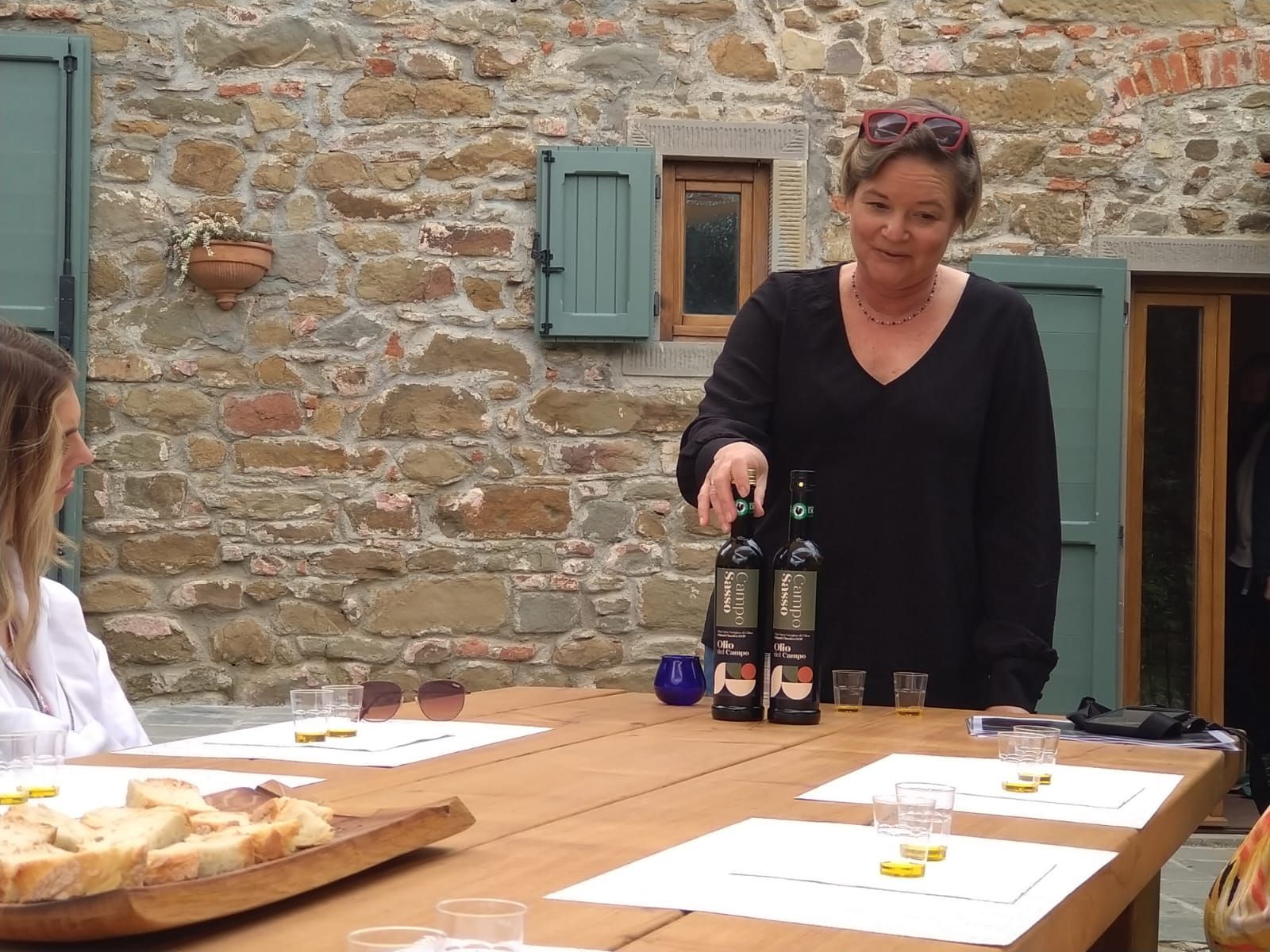
A winery visit is never only about vines, tanks or bottles. It is also about the person who welcomes you.
The personality of the winery staff plays a decisive role in the quality of the experience. Visitors do not remember only technical explanations; they remember a voice, a gesture, a personal story, a moment of sincerity. They remember when someone speaks with conviction rather than repetition.
This is where many wine experiences can become stronger. Too often, the discourse feels scripted, safe or mechanical. The visitor receives information, but not emotion. Facts are shared, but not soul.
In a regenerative vision of wine tourism, the person guiding the visit should not be reduced to a presenter of technical content. They are an interpreter of the estate, a bridge between the wine, the land and the visitor. Their role is to give more: more context, more honesty, more personal involvement, more passion.
To “give one’s soul” does not mean exaggerating or performing. It means speaking from a real connection with the place. It means explaining not only what the winery does, but why it matters. It means accepting that hospitality is not simply a service — it is an act of transmission.
A great winery experience happens when the staff member becomes part of the story. When they are able to make visitors feel that the wine in the glass is not an isolated product, but the result of a living place, human choices and shared responsibility.
Because in the end, visitors may forget the exact fermentation temperature or the name of a barrel. But they will remember the person who made them feel that wine was alive.
Reconnecting Wine with Food, Farming and Local Culture
In Tuscany, wine has never existed in isolation. It has always been linked to food, olive oil, bread, cheese, meat, seasonal vegetables and rural hospitality.
To speak about wine without speaking about the table is to tell only half the story.
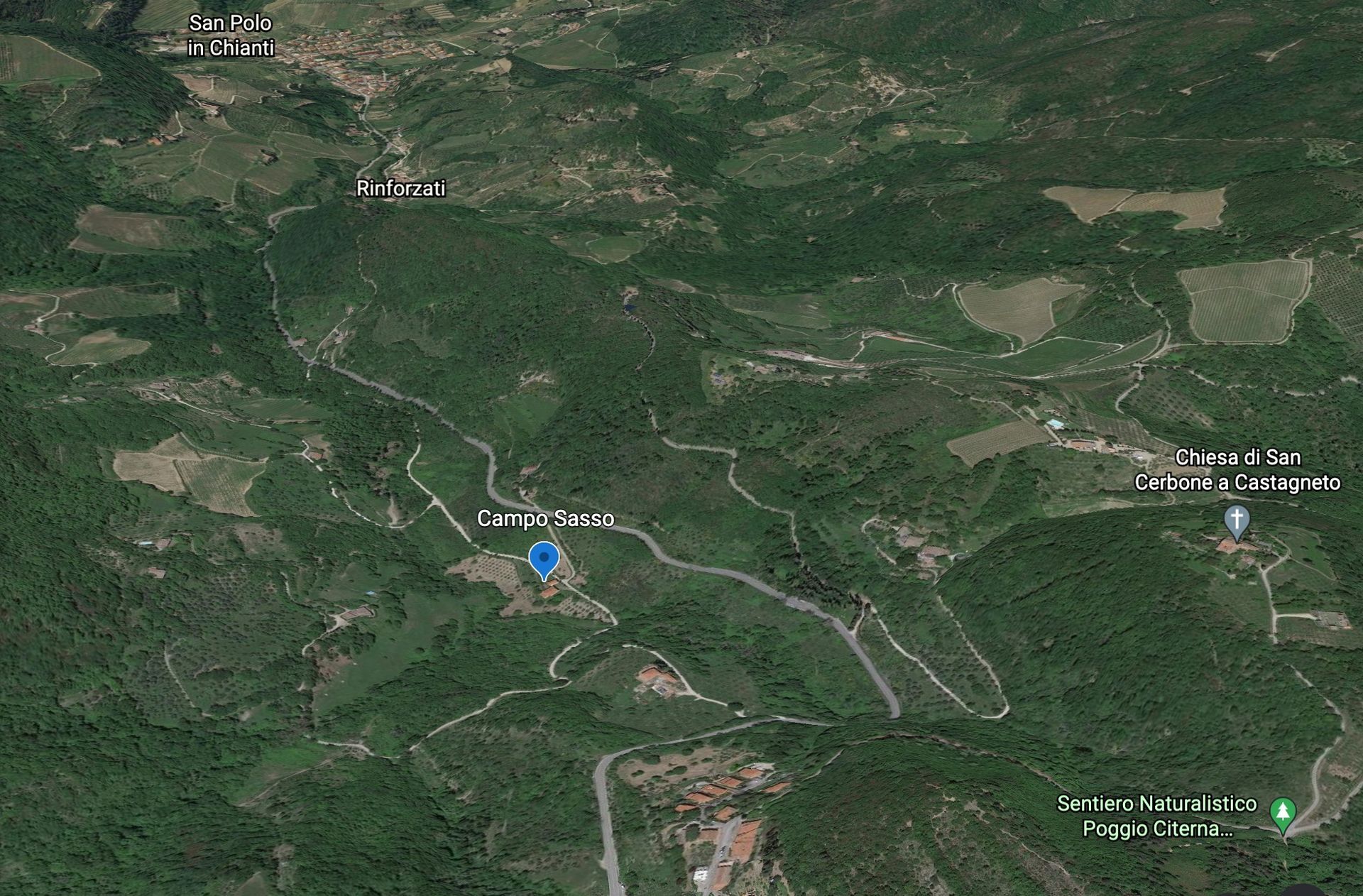
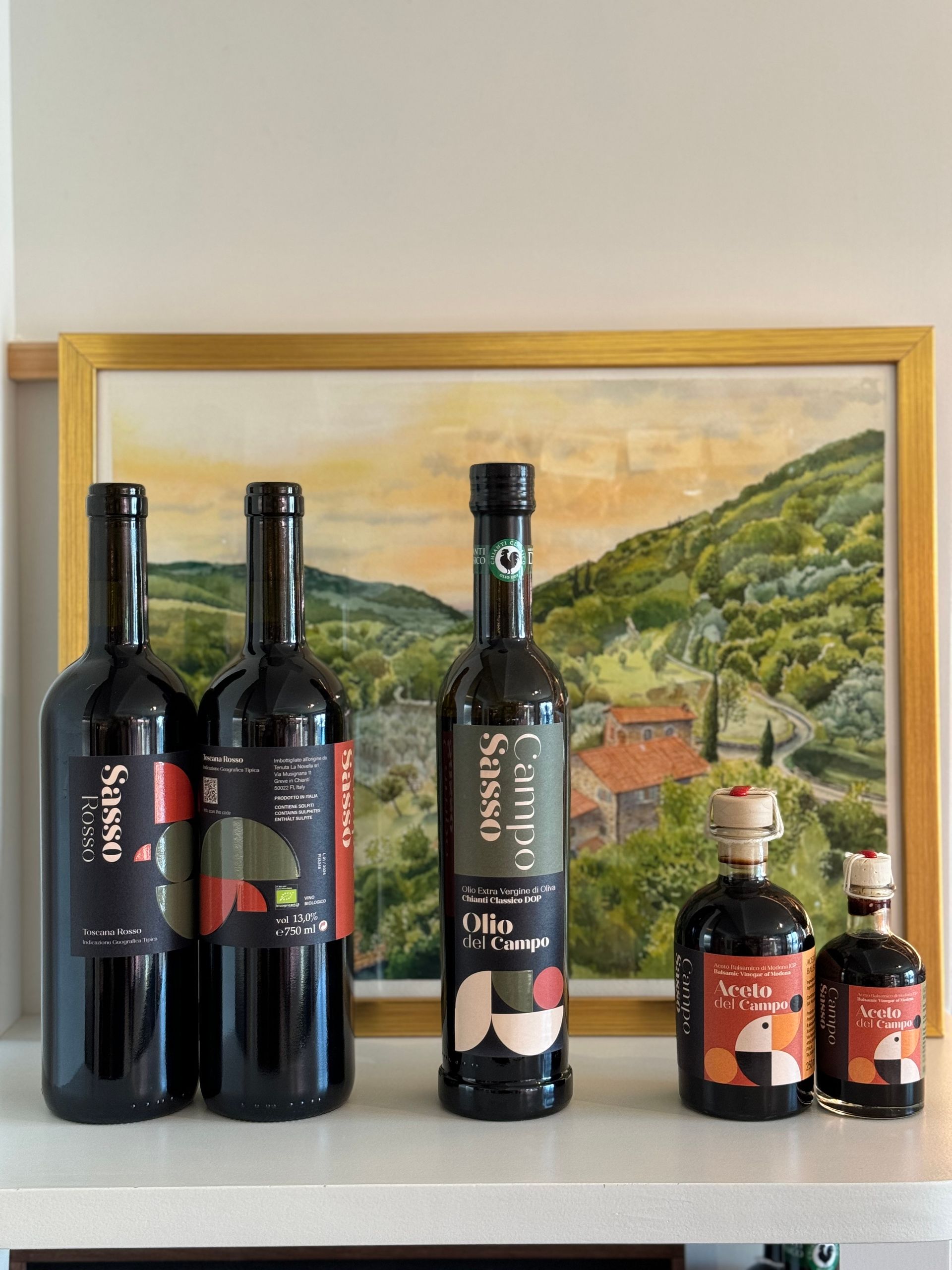
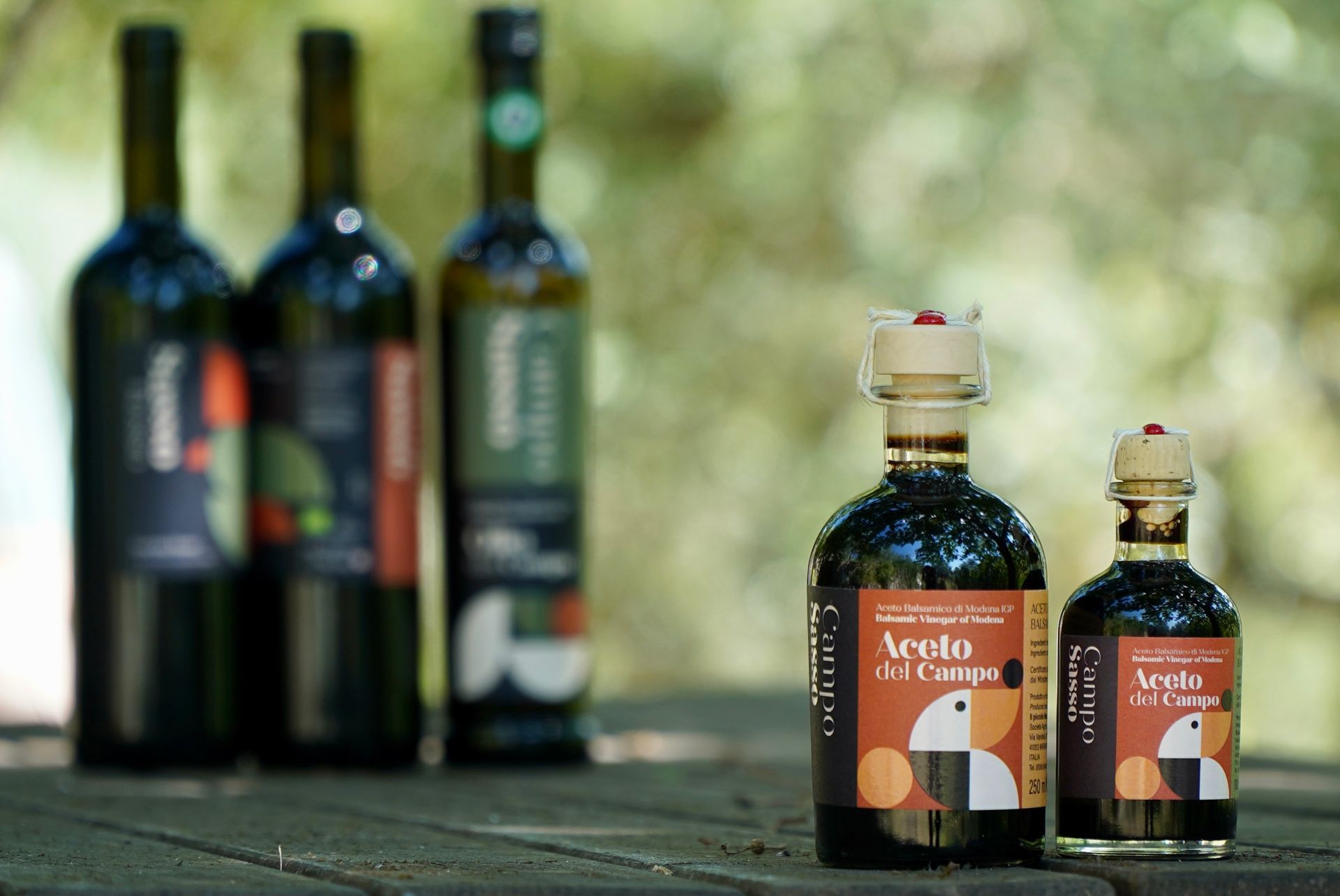
This is why the Jollie ecosystem places wine in dialogue with gastronomy, cheese affinage, hospitality, regenerative agriculture and cultural heritage. Through Grape Tours, Formaggioteca Terroir and Campo Sasso, wine becomes part of a broader experience of Tuscany — one that includes producers, artisans, landscapes and traditions that continue to evolve.
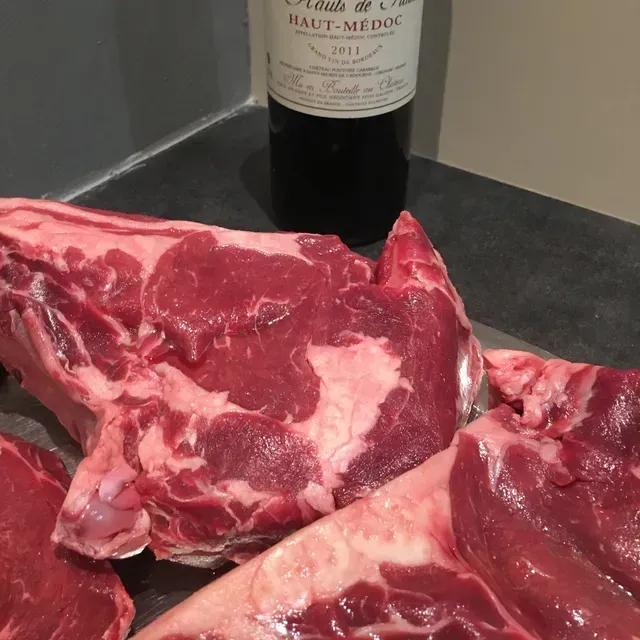
Wine pairing, for example, should not be treated as a mechanical exercise. It can become a way to explain texture, fat, acidity, tannins, salt, seasonality and the deep intelligence of traditional food cultures.
A glass of wine can open a conversation about sheep farming, olive groves, mixed agriculture, local bread, cheese caves, rural architecture or the changing identity of the Tuscan countryside.
This is where wine tourism becomes regenerative: when it creates new connections instead of simply selling bottles.
The Limits of the Conventional Tasting Room
The traditional tasting room model has reached its limits.
Showing a few vines, pointing at tanks and serving small pours is no longer enough. Visitors are looking for depth, context and sincerity. They want to feel that their experience has meaning — for themselves, for the producer and for the territory they are discovering.
This does not mean that every visit must become academic or overly complex. On the contrary, the best interpretation is often simple, human and concrete.
But it must be real.
A regenerative wine experience should avoid empty storytelling and generic sustainability language. It should help visitors understand the living complexity behind each bottle: the soil, the work, the risks, the choices, the heritage and the responsibility of producing wine today.
Wine as a Bridge Between Past and Future
Tuscany’s wine culture is rooted in centuries of rural life. But tradition should not be treated as something frozen in the past.
At Jollie, we believe that authenticity is not something to be preserved behind glass. Traditions remain meaningful only when they continue to evolve, adapt and inspire new generations.
Wine is therefore both heritage and possibility.
It carries the memory of the land, but it also raises essential questions about the future: climate change, water management, biodiversity, soil regeneration, rural employment, tourism pressure and the role of small producers in a global market.
A winery visit should not only celebrate what has already been achieved. It should also invite visitors to reflect on what comes next.
- What kind of agriculture do we want to support?
- What kind of landscapes do we want to preserve?
- What kind of tourism do we want to encourage?
- What kind of relationship do we want between visitors and local communities?
Wine can help answer these questions — if we give it back its full meaning.
Towards a More Regenerative Wine Tourism
Regenerative Tuscany is not about rejecting wine tourism. It is about making it more meaningful.
It is about moving beyond passive consumption and creating experiences that educate, connect and inspire. It is about helping visitors understand that every glass of wine belongs to a wider living system.
A truly regenerative wine experience should not end with a tasting. It should leave visitors with a deeper awareness of the place, the people and the choices behind what they drink.
Because in Tuscany, wine is not just something to be poured.
It is something to be understood.
About the author: Pierre Gouttenoire is an agricultural engineer, oenologist and cheese affineur. He co-founded the Jollie ecosystem in Tuscany and oversees its wine, food and regenerative agriculture projects.